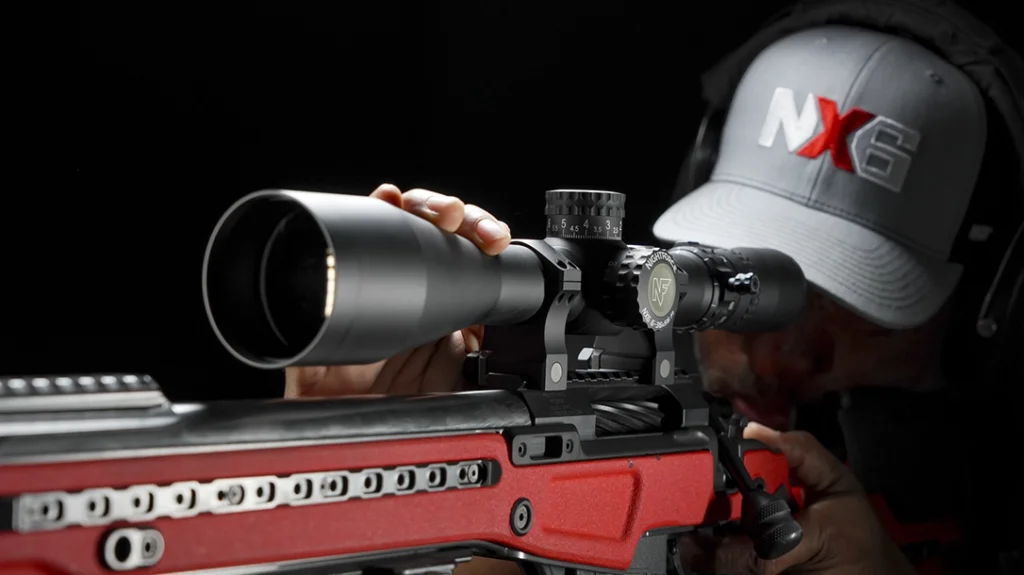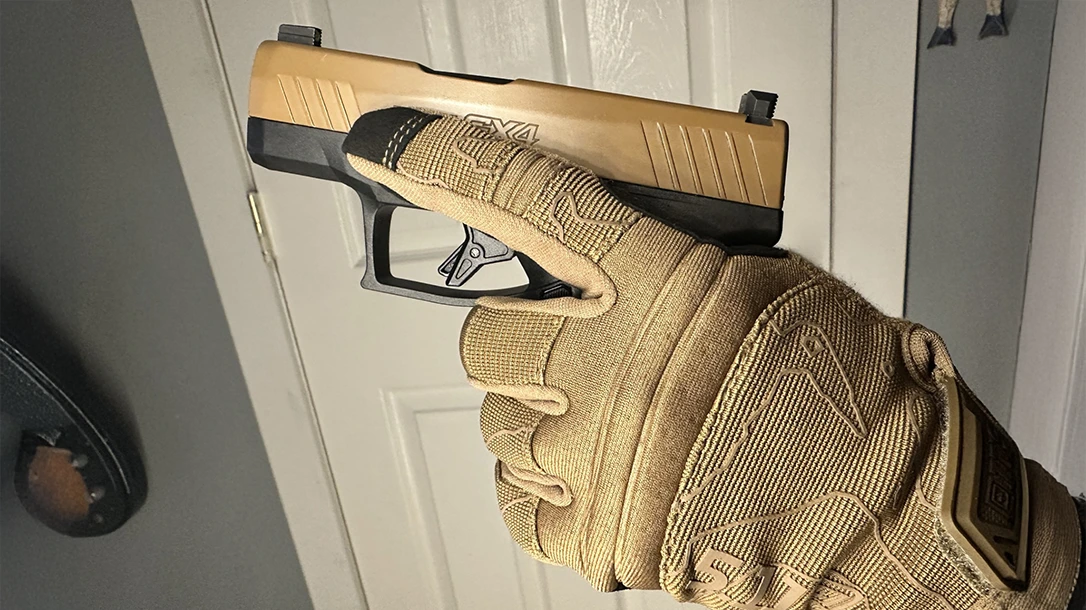
Love or hate them, shooting gloves are an accessory widely used for competition, military, hunting, and recreational shooting. At first glance, it can be easy to dismiss these gloves as unnecessary. However, once you try them firsthand, you’ll find they offer numerous advantages worth considering. To help determine whether this gear is worth the investment or simply a gimmick, let’s explore the pros and cons of shooting gloves.
5 Pros and Cons of Shooting with Shooting Gloves
1 – Hygiene Purposes
As you shoot, particles from gunpowder and lead residue can become airborne and settle onto your clothing and skin. As a result, these particles may be inhaled or absorbed through the skin, leading to potential lead exposure. To protect yourself, it is important to shoot in a well-ventilated area and wear clothing that covers skin.
Shooting gloves are beneficial because they allow you to freely use your hands while providing a protective layer that keeps your skin free from chemicals and general debris produced while shooting.
Advertisement — Continue Reading Below
2 – Grip Enhancement
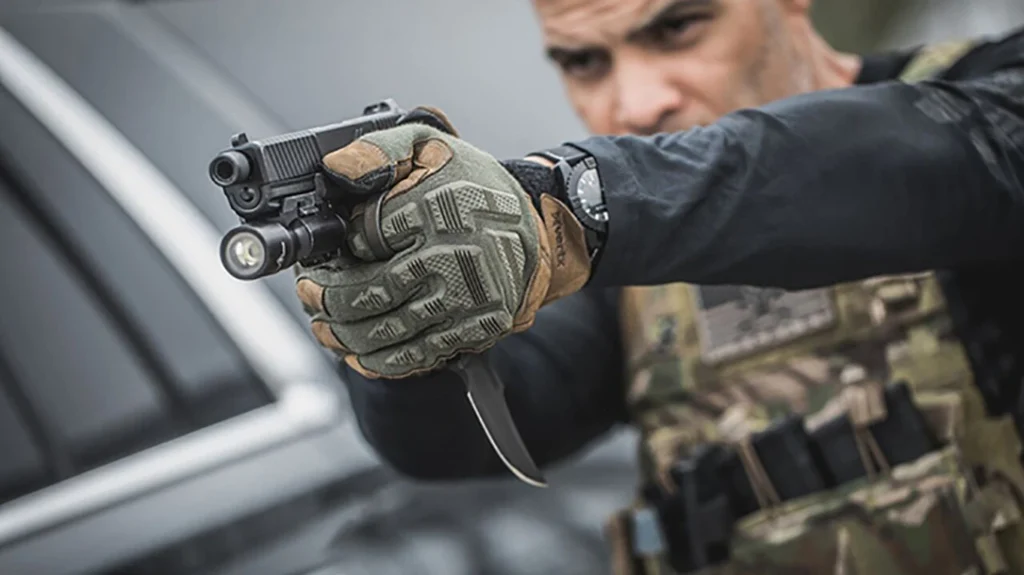
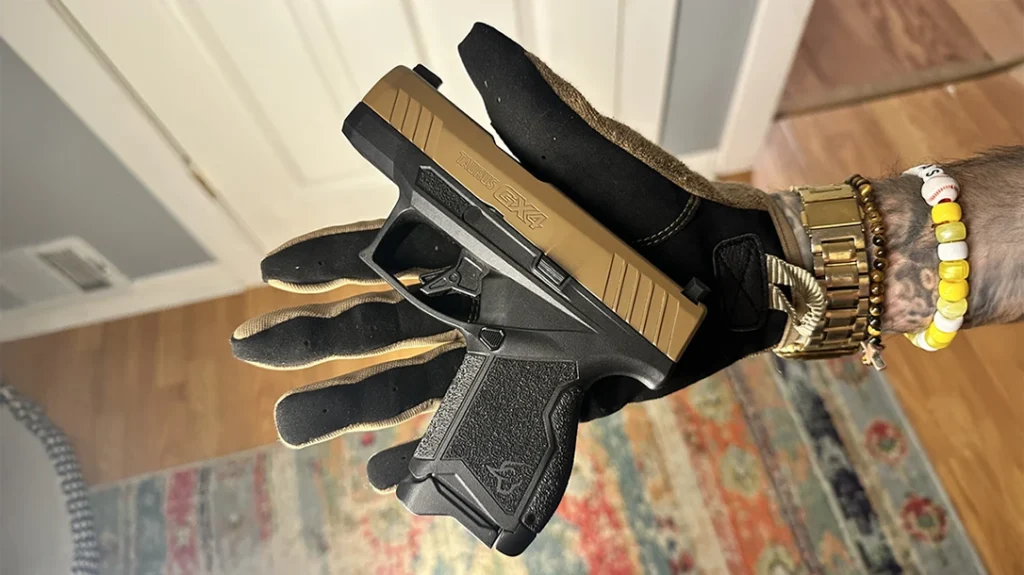
A good grip is essential because it allows for faster follow-up shots, improved accuracy, and better recoil management. Due to materials and design, one reason many shooters value shooting gloves is that they enhance grip on a firearm. This equipment is commonly made from durable materials such as leather, goatskin, neoprene, and polyester.
They also feature textured palms and fingers, which help improve traction. These gloves are ideal for wet conditions or for shooters with sweaty hands, making them a great option.
Advertisement — Continue Reading Below
3 – Reduced Feel & Sensitivity
One drawback of shooting gloves is that the layer of material between a user’s trigger finger and the firearm can reduce sensitivity and tactile feel. As a result, this added bulk can impact dexterity. Likewise, it makes it more challenging to operate the controls of your firearm, such as safety levers and magazine releases. Gloves may also hinder a user’s ability to feel the trigger wall.
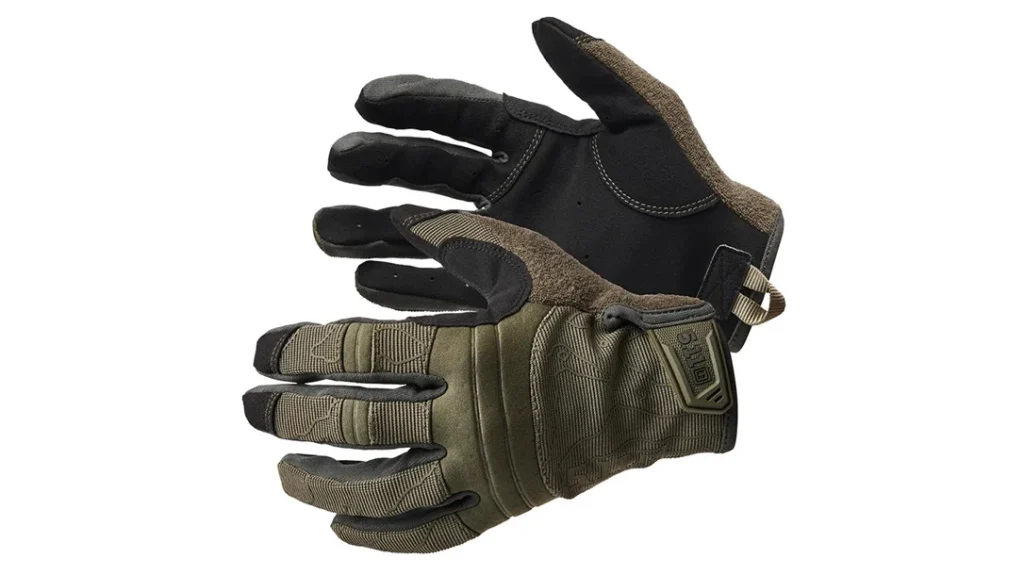
However, many modern shooting gloves are crafted with thin materials on the palms and fingers, stretchable fabrics, and specialized stitching to promote better control. For example, the 5.11 Tactical Competition Shooting 2.0 Glove is designed to be form-fitting and features a ring-cut trigger finger to increase sensitivity and dexterity. This makes them a comfortable yet effective option.
Ultimately, shooting gloves should fit snugly and allow your fingers to move around freely.
Advertisement — Continue Reading Below
4 – Protection Against Cold Environments
Shooting in colder environments can cause numbness and tremors in the hands. This can result in slower reaction times and reduced dexterity. To help prevent this, shooting gloves are often made with synthetic insulation materials such as Thinsulate and PrimaLoft. This gear may also feature natural fibers, such as wool, and utilize elastic cuffs to help retain heat.
5 – Not Practical for Real-Life Situations
During training, it is crucial to make practice as lifelike as possible, especially when it comes to the gear you will be wearing. Shooting gloves are typically not worn in everyday life, which can reduce the realism of training sessions. For the best results, it is recommended to train both with and without them.
Advertisement — Continue Reading Below
Should You Wear Shooting Gloves?
Shooting gloves are designed to enhance a shooter’s grip and protect a user’s hands from absorbing gunpowder and lead residue. This equipment is also beneficial because it can help insulate a user’s hands while shooting. However, it is essential to recognize that they may not always be practical for real-life defensive training. They can also reduce sensitivity and tactile feel, limiting a shooter’s dexterity and control.
Overall, the best method to determine whether shooting gloves are right for you is by trying them for yourself. You may find that they either become a staple in your gear bag or an item that is reserved exclusively for cold or wet conditions.
Advertisement — Continue Reading Below
WHY OUR ARTICLES/REVIEWS DO NOT HAVE AFFILIATE LINKS
Affiliate links create a financial incentive for writers to promote certain products, which can lead to biased recommendations. This blurs the line between genuine advice and marketing, reducing trust in the content.