With all the information being thrown at gun buyers today, it’s easy to get buried in the noise. There are endless choices, constant marketing, and a steady stream of opinions online, much of it not particularly useful. The good news is the firearms industry is producing a lot of genuinely solid products right now. Most modern firearms will work. The bigger question is whether they will work for you.
Unless you’re buying strictly for enjoyment, the first thing you need to consider is why you’re buying it and what role it’s supposed to fill. When it comes to personal defense, that process starts with an honest threat assessment.
Assess First, Buy Second
Too many people buy the gun first and try to justify it afterward. The smarter approach is the opposite. Figure out the job first, then choose the tool that best fits it.
Advertisement — Continue Reading Below
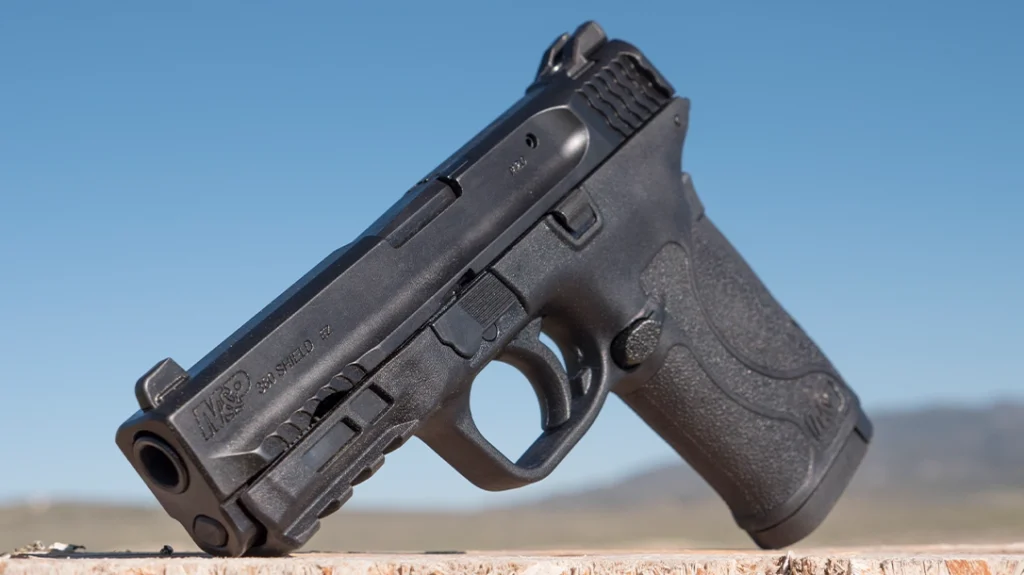
Defensive needs vary widely. A handgun designed to sit in a bedside safe may be completely impractical for concealed carry. A rifle set up for home defense might not make much sense for someone working a ranch or large property. Duty weapons, carry guns, truck guns, and home-defense firearms all fill different roles. Plenty of firearms can “get the job done,” but the goal should be finding what does the job best for your specific situation.
Everyone’s world looks different, and threat assessments should reflect that reality. Think honestly about where you spend your time and where you’re most likely to encounter danger. Are you constantly in crowded public places like malls or big-box stores? Do you work downtown but live in a quiet neighborhood? Do you spend most of your time on rural property?
Advertisement — Continue Reading Below
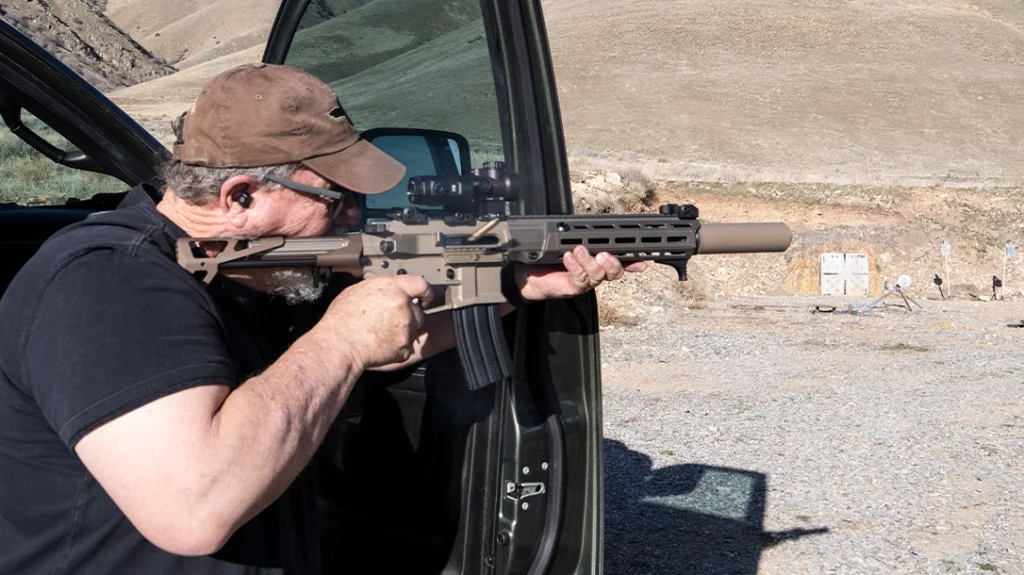
For some people, the biggest risk might be road rage during a daily commute. For others, it may be late-night walks through parking garages or concerns about home invasions. At home, a long gun may make sense. At work or in public, a concealed handgun may be the more realistic option simply because it’s what you’ll actually have access to when something goes wrong.
That’s an important distinction people often miss. The highly customized rifle sitting in the truck with thousands of dollars in accessories doesn’t do much good if you can’t realistically get to it during a fight. Even in law enforcement, many situations are resolved with the pistol already on your hip simply because there wasn’t time to retrieve anything else.
Advertisement — Continue Reading Below
What Should You Assess?
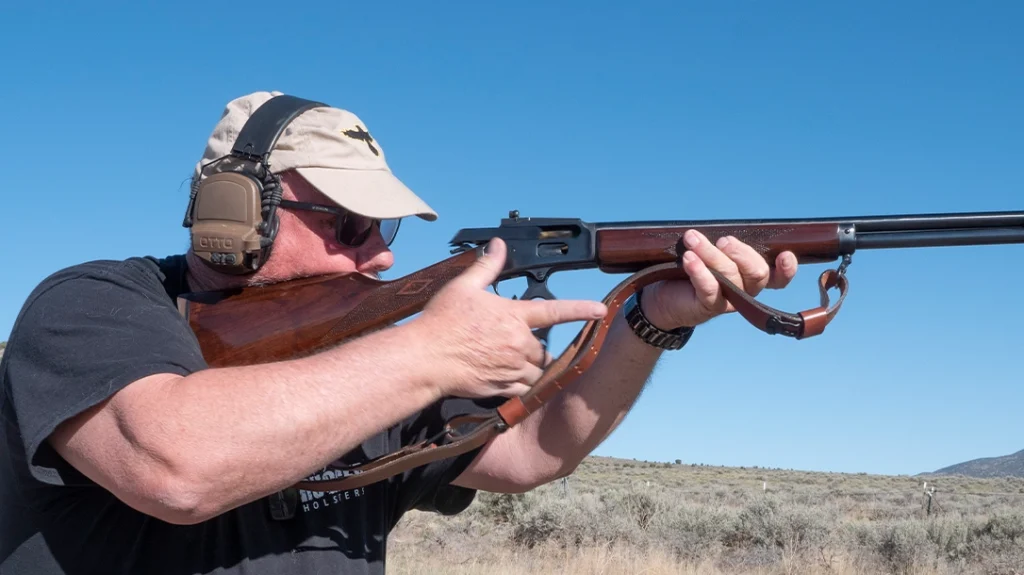
Start with your environment. Has your neighborhood changed over the years? Areas that were once quiet and safe can shift dramatically. Many home invasion victims are often simply neighbors living near the actual target, frequently older residents who moved there long before crime became an issue.
Think about whether other family members may need access to the firearm. Consider when a threat is most likely to occur. If it’s primarily at night, a weapon-mounted light may be worth adding. Also, consider your surroundings. Apartment dwellers with thin walls have different considerations than rural homeowners with acreage.
Advertisement — Continue Reading Below
The goal is to balance accessibility, effectiveness, and safety. You want enough capability to handle the likely threat without unnecessarily endangering your family or neighbors.
The same logic applies at work. Some people live in safe areas but commute into high-crime environments every day. Maybe the office itself is secure, but the walk to the parking lot after dark is where the concern lies.
And while convenience matters, it shouldn’t outweigh effectiveness. Hardened criminals are rarely intimidated by tiny pocket pistols that are difficult to shoot well. Clint Smith’s well-known advice still applies: “Carry what is comforting in a fight, not what is most comfortable.”
Advertisement — Continue Reading Below
Thankfully, modern firearm options make it easier than ever to strike a balance between practical carry and effective defensive capability.
Vehicles and Road Rage
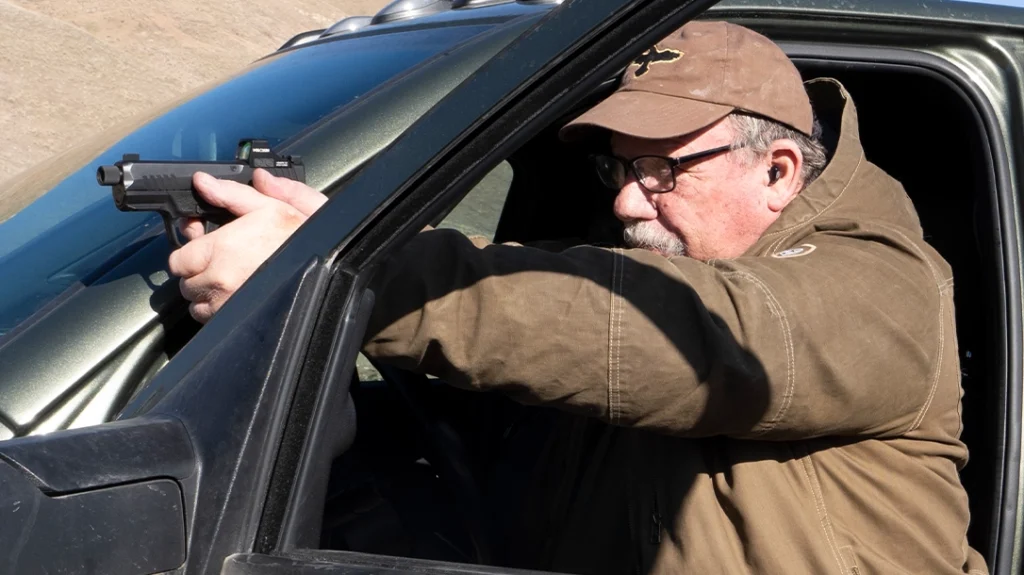
Driving may actually be one of the most dangerous places many people spend time today. Road rage incidents seem increasingly common, and situations can escalate fast.
Advertisement — Continue Reading Below
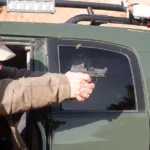
That reality changes how some people should think about defensive firearms. A rifle locked in the back of the vehicle may sound comforting, but it’s unlikely you’ll ever have time to access it during an immediate confrontation. A more practical “truck gun” may actually be a handgun positioned where it can realistically be reached if needed.
Again, it comes back to honesty about the most likely scenario rather than fantasy-based preparation.
Bottom Line
One of the biggest mistakes instructors see is people carrying firearms they either can’t realistically use well or won’t consistently carry. Large “hand cannon” pistols may seem reassuring, but many people abandon them after a single long training day because they’re uncomfortable and impractical. On the other side of the spectrum, ultra-small micro pistols can be extremely difficult to shoot effectively under stress.
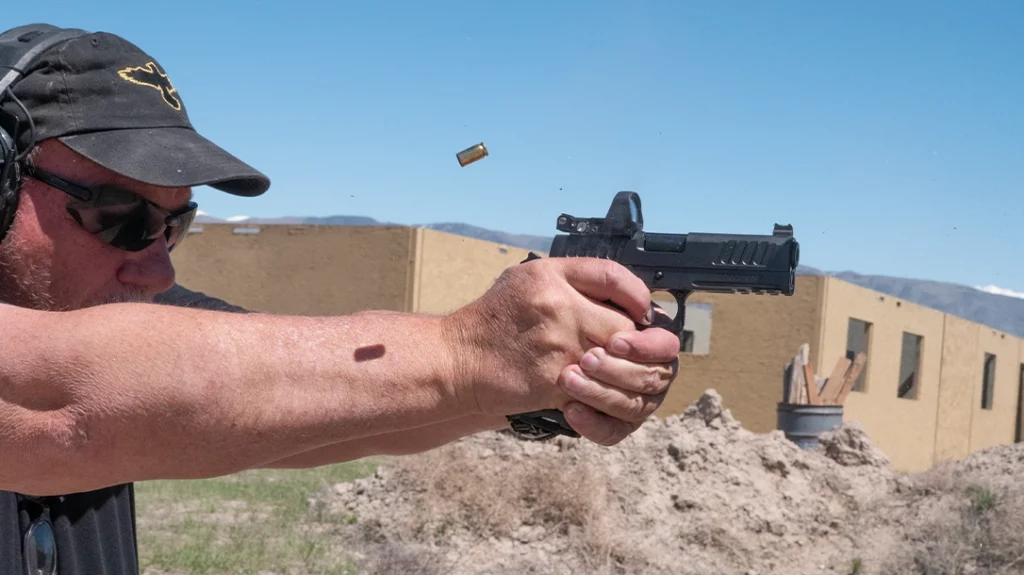
The answer lies somewhere in the middle: choosing a firearm that matches your real-world needs, training with it consistently, and being willing to adapt if experience proves your original choice wasn’t ideal.
At the end of the day, defensive firearms are tools, not fashion statements or status symbols. The best choice is the one you can access quickly, shoot confidently, and realistically carry when it matters most.
WHY OUR ARTICLES/REVIEWS DO NOT HAVE AFFILIATE LINKS
Affiliate links create a financial incentive for writers to promote certain products, which can lead to biased recommendations. This blurs the line between genuine advice and marketing, reducing trust in the content.