Dating has changed dramatically over the last two decades. Meeting someone organically through friends, work, or community groups is no longer the default. Today, millions of people meet through dating apps, social media, and online communities. While technology has made it easier than ever to connect with potential partners, it has also introduced new personal safety concerns.
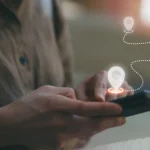
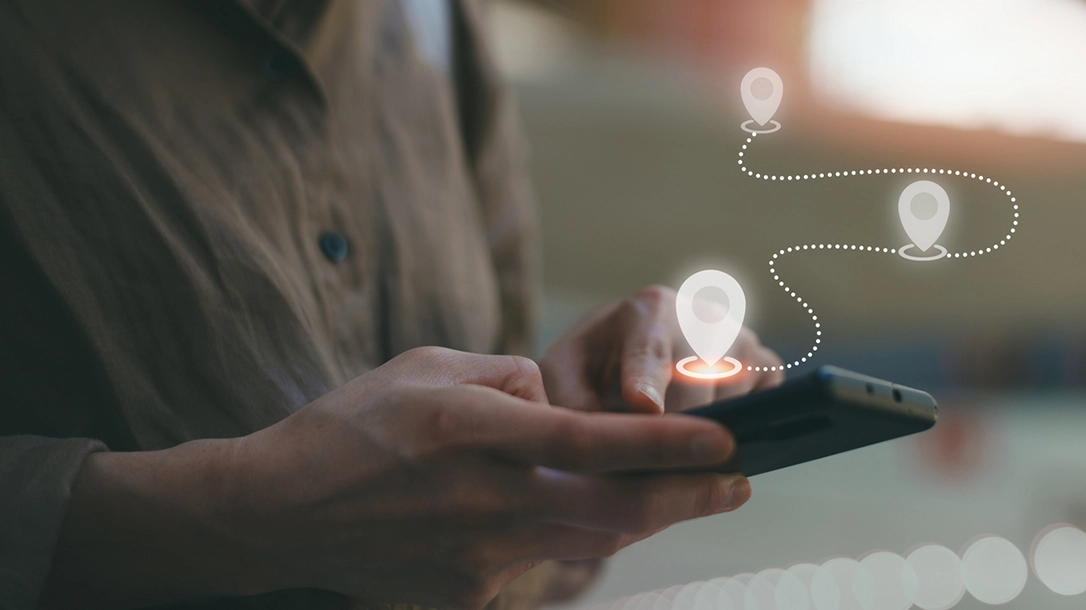
One feature that has become increasingly common is location sharing. With just a few taps, you can allow another person to see your real-time location through apps like Google Maps, Life360, Snapchat, and others.
For some people, sharing their location while dating feels like a practical safety measure. For others, it raises concerns about privacy, control, and potential abuse. So, from a personal safety perspective, is sharing your location while dating a good idea?
Advertisement — Continue Reading Below
The Safety Benefits of Location Sharing
There are situations where sharing your location can potentially improve personal safety. One of the most common examples is a first date. It’s common practice for women to share their location with a trusted friend or family member before meeting someone they don’t know well. This allows another person to know where they are and can potentially provide an extra layer of security if something goes awry.
There are other safety measures you can take beyond sharing your location with a close friend, including sending screenshots of the person’s dating profile and establishing a check-in time after the date concludes.
Location sharing can also be useful when meeting someone in an unfamiliar area. If your vehicle breaks down or you find yourself in an uncomfortable situation, having a trusted contact who knows your whereabouts can be invaluable.
Advertisement — Continue Reading Below

In these situations, location sharing isn’t about romance. It’s about accountability and emergency preparedness.
When Location Sharing Becomes Risky
Problems arise when location sharing shifts from a voluntary safety tool to an expectation. Many relationships today move quickly. Some couples begin sharing locations within days or weeks of meeting. What starts as convenience can gradually become surveillance.
Advertisement — Continue Reading Below
A seemingly innocent question such as, “Why weren’t you where you said you were?” may indicate a growing reliance on constant monitoring. Over time, location sharing can create unhealthy expectations about availability, independence, and trust.
The risk becomes significantly greater when dealing with controlling or manipulative individuals. A person who has continuous access to your location knows where you live, work, exercise, shop, and spend your free time. They may know your routines better than some of your closest friends. If the relationship ends, that information can become a serious liability. Many stalking cases involve individuals who already know the victim’s daily habits and locations. Technology simply makes gathering that information easier than ever.
The False Sense of Security
Another concern is that location sharing can create a false sense of security. Many people assume that because someone can see their location, they are automatically safer. In reality, location sharing does not prevent an assault, robbery, kidnapping, or other crime. It only provides information about where you are.
Advertisement — Continue Reading Below
If a dangerous situation develops quickly, the person monitoring your location may not notice immediately. Even if they do, emergency responders may still need time to reach you.
Location sharing should never replace basic situational awareness. Meeting in public places, controlling your own transportation, informing trusted contacts of your plans, and maintaining awareness of your surroundings remain critical safety practices. Technology should supplement common sense, not replace it.
Who Should You Share Your Location With?
From a personal safety standpoint, the safest answer is often not the person you’re dating. For early dates, consider sharing your location with a trusted friend, sibling, roommate, or family member instead. This approach provides the safety benefits without exposing your daily movements to someone you may barely know.
Advertisement — Continue Reading Below
Many smartphones also allow temporary location sharing. Rather than granting indefinite access, you can share your location for a few hours or a single day. Once the date is over, the sharing automatically ends. This gives trusted contacts visibility when needed while minimizing long-term privacy concerns.
Red Flags to Watch For
Location sharing itself is not necessarily a warning sign. However, certain behaviors should raise concerns. Pay attention if someone becomes upset when you decline to share your location. Be cautious if they repeatedly check your whereabouts, question your movements, or demand explanations for where you’ve been.
Advertisement — Continue Reading Below
Another red flag is a partner who uses location sharing to monitor rather than communicate. Trust should be built through conversation, consistency, and behavior, not through constant tracking. A healthy relationship allows both individuals to maintain independence and privacy without suspicion.
Practical Advice for Safe Dating
If you choose to use location sharing while dating, consider a few simple guidelines.
Meet new people in public places. Drive yourself or maintain independent transportation whenever possible. Share your location with a trusted friend rather than a new romantic interest. Use temporary sharing features instead of permanent access. Disable location sharing immediately if the relationship ends or if you feel uncomfortable.
Most importantly, trust your instincts. If someone pressures you to share information you’re not comfortable providing, that pressure itself may be more important than the location-sharing request.
Final Thoughts
Location sharing is neither inherently good nor inherently bad. Like many modern technologies, its value depends on how it is used and who has access to it.
Used thoughtfully, it can be a valuable safety tool that helps trusted friends or family members keep tabs on your well-being during a date. Used carelessly, it can expose sensitive information, encourage unhealthy behavior, and create opportunities for control or stalking. The purpose should never be constant surveillance. The goal is safety.
In the dating world, a trusted friend knowing where you are may be one of the smartest precautions you can take. Giving unlimited access to someone you’ve just started seeing is a very different conversation.
WHY OUR ARTICLES/REVIEWS DO NOT HAVE AFFILIATE LINKS
Affiliate links create a financial incentive for writers to promote certain products, which can lead to biased recommendations. This blurs the line between genuine advice and marketing, reducing trust in the content.