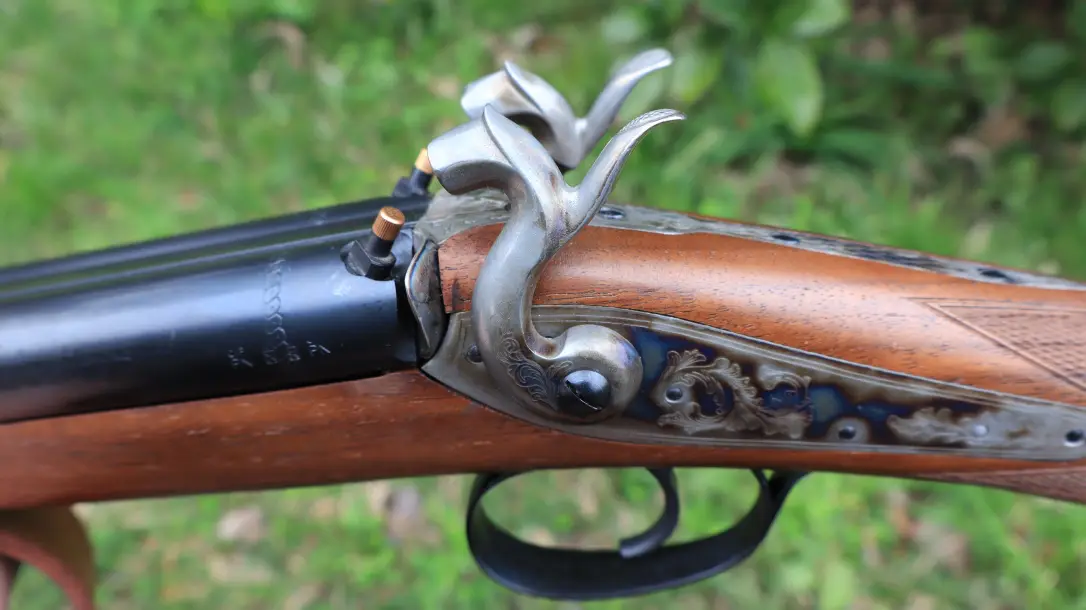
Percussion cap firearms, sometimes called caplocks, are the penultimate evolutionary step that ushered in firearms that fire self-contained cartridges. Although technically obsolete, the caplock is the go-to choice for black powder shooters. Whether it is for primitive hunting seasons, historical reenacting, or vintage target shooting, a caplock firearm is worth owning. In this Guns 101, we will discuss the history of the caplock, how it works, and how to troubleshoot the mechanism for maximum reliability in the field.
The Percussion Cap and the Problem of Flintlocks
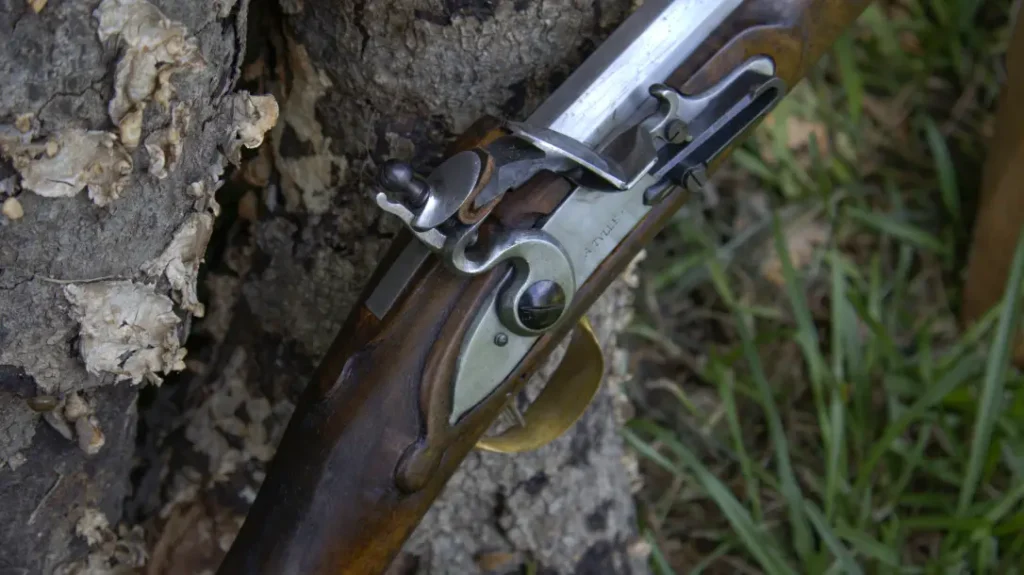
For over two hundred years, the flintlock was the predominant firearm worldwide. The flintlock mechanism used a flint to shave sparks into a small pan of gunpowder that detonated the charge in the barrel. It had a few obvious advantages. The wheellock mechanism was cheaper and faster. Unlike the popular matchlock, the flintlock was ready to shoot at all times and was more weather-resistant.
Advertisement — Continue Reading Below
Flintlocks were a good system, but several problems remained that inventors were keen to solve. Flints get dull, and the striking steel (frizzen) wears out and needs rehardening. The pan covered by the frizzen could still be infiltrated by moisture, adulterating the priming charge. The need for a primed pan also complicated the creation of practical breechloading and multi-shot systems. The flintlock also had a long lock time between the hammer falling, the priming charge flashing, and the flash setting off the gun. In theory, ignition is instantaneous, but any of the above issues can result in a hang fire.
The First Percussion Cap
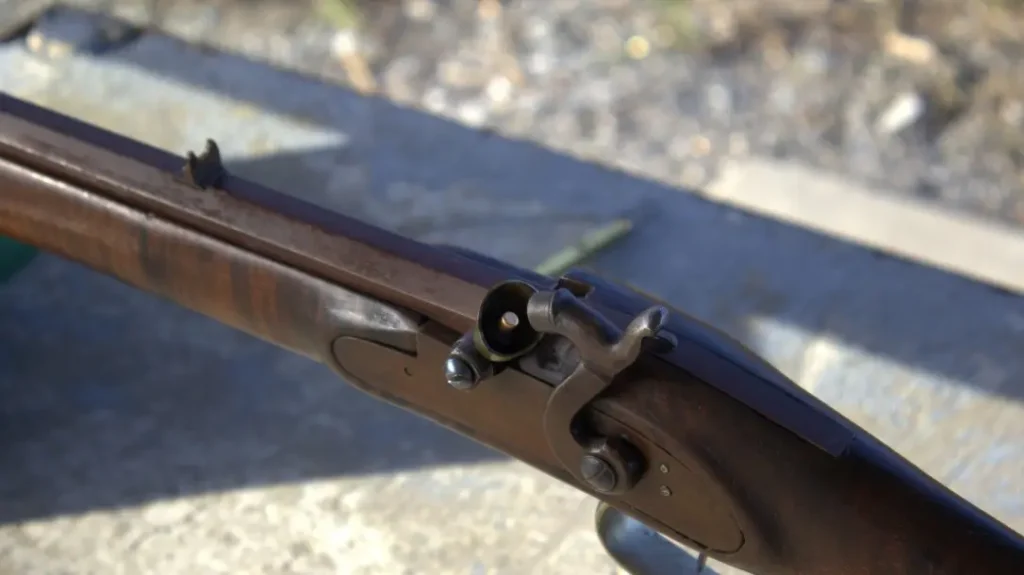
Scottish minister Alexander Forsyth, an avid bird hunter, knew of hang fires too well. The flash in the pan would alarm birds, and he would have to pull more lead on them to bring them down. In 1807, Forsyth patented a gun lock that used explosive bottles filled with mercury fulminate. By the early 1820s, these fulminates were now contained in thin copper caps that were percussion sensitive—the percussion cap. The percussion cap served as a primer to set off the main powder charge. No pan, no extra powder, and no flint required. Only a hammer blow was necessary. Lock time was decreased, extraneous striking surfaces were eliminated, and the caps were more waterproof.
Advertisement — Continue Reading Below
The caplock began to supplant the flintlock in Europe and America in the 1830s. By the start of the American Civil War, it was the primary arm on both sides. While primarily used in muzzleloading single-shot rifles and muskets, the percussion cap made breechloaders like the Sharps and Maynard rifles possible. The copper percussion cap would evolve into the first metallic cartridges in the 1860s. Cap, powder, and bullet were now in one neat package. Only thirty years after their popularization, percussion cap firearms became obsolete.
How Percussion Cap Guns Work
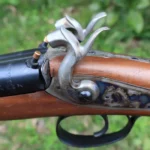
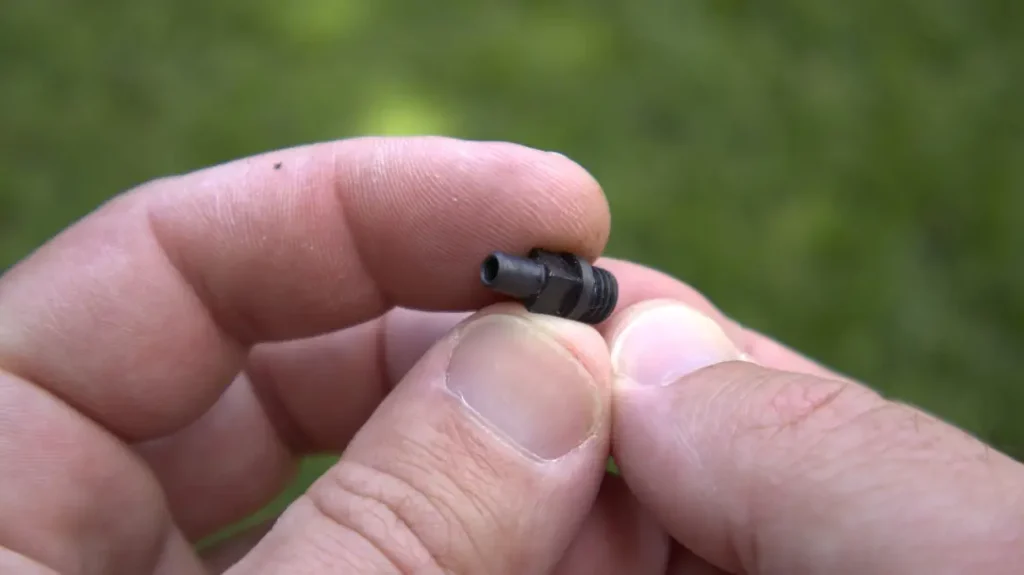
The basic operating parts of a percussion gun are the hammer and the cone—sometimes called the nipple. The nipple is a hollow tube that is threaded to the breech or chamber of the gun.
Advertisement — Continue Reading Below
Revolvers and some rifles have nipples threaded directly into the breech. But most single shots and doubles have nipples that thread into a hollow bolster. The bolster itself threads into the barrel perpendicular to the hammer. This style of action is paired with a sidelock that is the same profile as a flintlock. Many original flintlock guns were converted to percussion caps by replacing the hammer, cutting off the pan, and installing a bolster where the touchhole once was. Most percussion guns available today are purpose-built, but the styling remains.
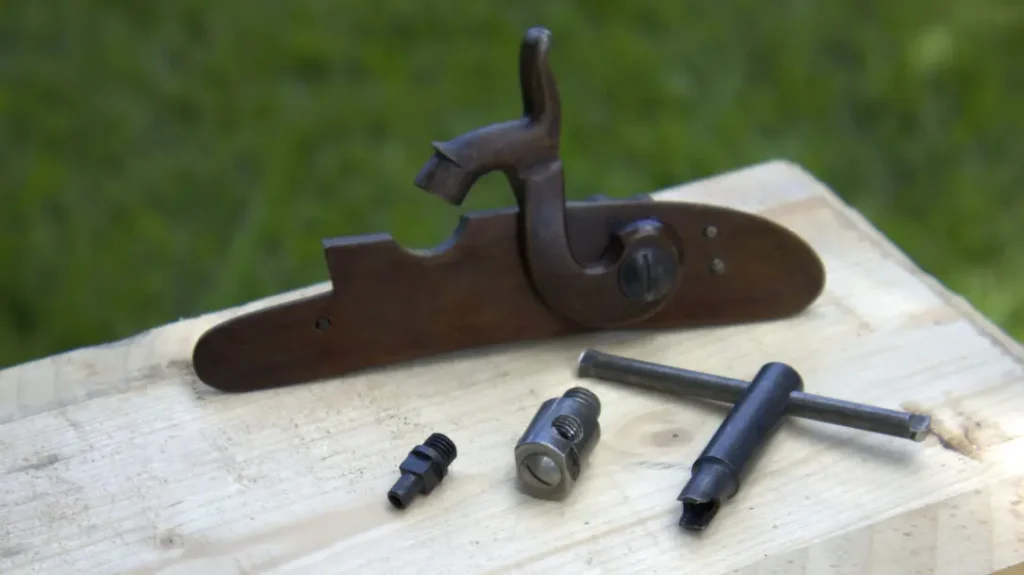
In operation, a percussion cap is pushed over the nipple, where it is held in place by friction. A blow from the hammer detonates the cap, sending a jet of flame through the nipple. The flame travels through the nipple and into the powder charge in the barrel. The cone shape of the hammer helps to prevent cap fragments from damaging the shooter or contacting the shooter’s skin. Some gunmakers install a small brass or iron sleeve around the nipple to further guard against this. In percussion cap revolvers and revolving carbines, the recoil shield and a flat-faced hammer serve the same function.
Advertisement — Continue Reading Below
What Kind of Percussion Cap Do I Use?
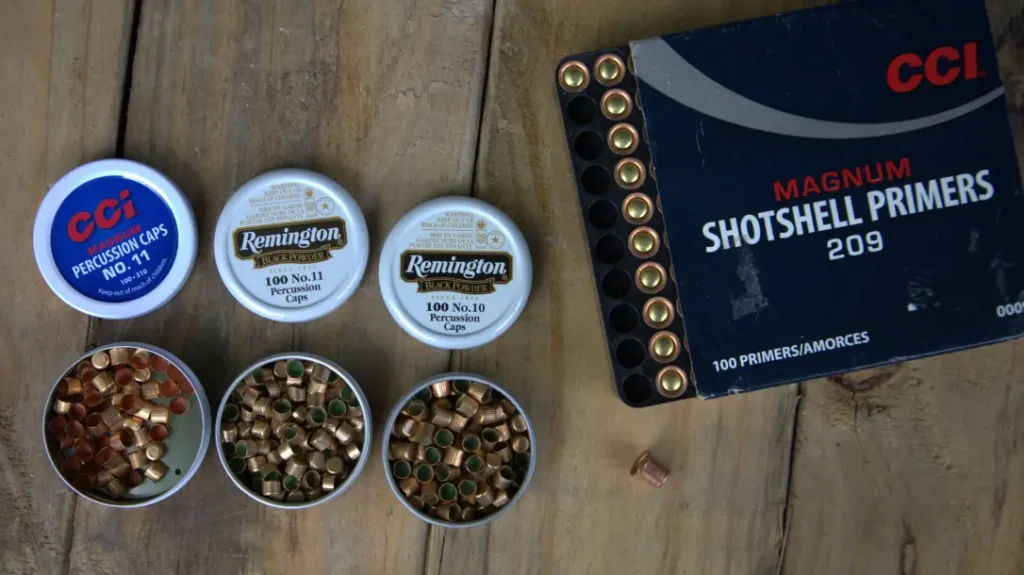
There are a few different percussion cap types for different firearms, which can be broken down into musket caps, No. 10 caps, and No. 11 caps. There are also rifles and shotguns that take modern shotgun 209 primers.
Musket caps are large and have four projecting wings that make them easy to dig out of a pouch and place on the nipple quickly. These are intended for military rifled muskets like the P53 Enfield and Model 1861 Springfield. Some modern in-line muzzleloaders use nipples that take these larger caps.
Advertisement — Continue Reading Below
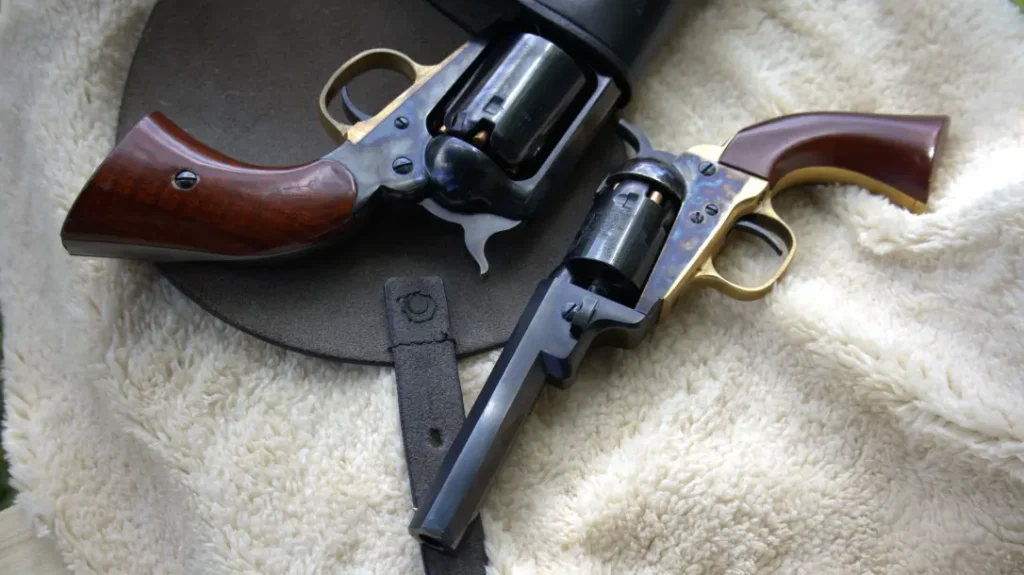
Revolver nipples tend to be smaller than rifle nipples. As such, they take a smaller No. 10 cap. CCI and Remington are the main producers of No. 10 caps. The former tends to be the smallest and hardest to seat, while the Remington caps are the easiest to use. To complicate matters further, No. 11 nipples are available for some black powder revolvers to take advantage of the popularity of the No. 11 cap.
No. 11 caps are made by CCI and Remington. RWS in Germany also produces No. 1075 caps that are functionally the same. These are the caps of choice for traditional single-shot rifles and pistols. No. 11 Magnum caps, which boast hotter flames, are available and safe, but unnecessary.
Advertisement — Continue Reading Below
Troubleshooting a Caplock Gun
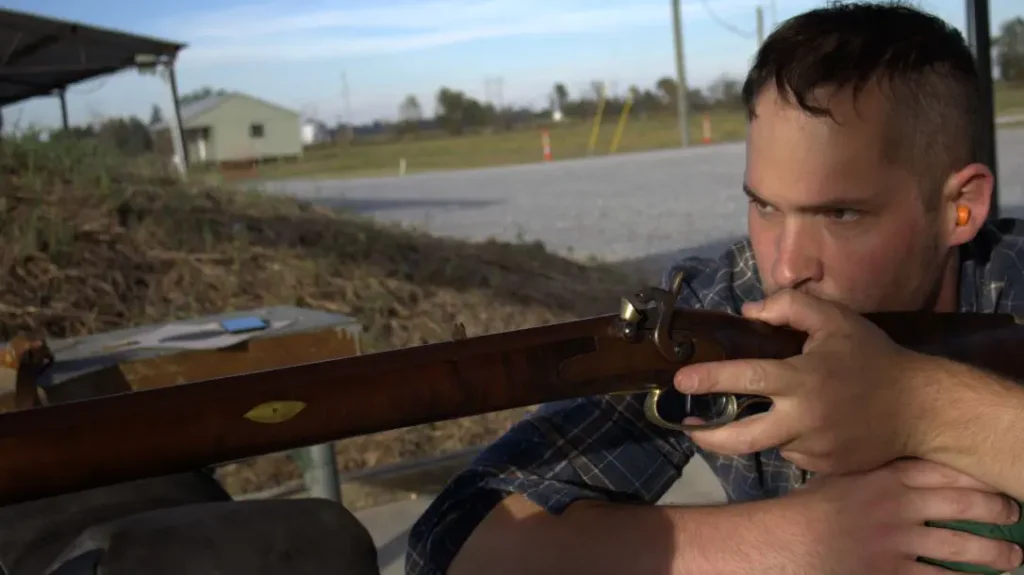
Percussion cap firearms have immediate benefits over a flintlock, particularly for a newer shooter. There is no flash in the pan to flinch at, no priming powder to get wet in the rain, and no flint to get dull. Caplocks generally work well in wet weather once loaded and go off instantly like a modern firearm would. But caplock guns are not foolproof, as proper preparation is needed for success.
The nipple, bolster, and breech tend to collect grease and oil from the cleaning process. If left uncleared, the fired cap can fail to light the main charge. You get a pop instead of a bang. To prevent misfires, it is key to fire off a few caps before loading in order to burn up any oil in the breech before loading. In the event of a failure to fire, pricking the nipple with a vent pick or needle and trickling in a small amount of powder into the nipple can help fire the round. There will be times when absolute silence is needed; a swab of the bore, bolster, and nipple with a dry patch and pipe cleaner can be effective.
Other Issues
Other potential issues include a misaligned hammer to nipple fit and using undersized caps. In the former event, the hammer does not directly strike the cap to set it off. Undersized caps can be hit squarely, but the hammer blow can seat the cap onto the nipple, rather than setting it off.
Tools for troubleshooting range from the handy but useful to the vital. Nipple primers that hold small amounts of gun powder can be used for getting powder into a nipple vent. A sewing needle or nipple pick works for clearing the vent if it is fouled or obstructed by oil. But the base necessity is a nipple wrench that can be used for removing and reinstalling the nipple.
Put a Cap in It
Caplock guns encompassed the transition from muzzleloaders to breechloaders and from single-shot firearms to multi-shot systems. Its historical position and advantages over the flintlock make it popular today with reenactors, cowboy action shooters, and hunters looking to take advantage of primitive seasons. Percussion cap firearms require less tinkering and are easier to learn on than flintlocks, but they are also not foolproof. Knowing your caps, your gun, and how to keep it clear for that first shot will ensure your success, no matter what field you are shooting in.
WHY OUR ARTICLES/REVIEWS DO NOT HAVE AFFILIATE LINKS
Affiliate links create a financial incentive for writers to promote certain products, which can lead to biased recommendations. This blurs the line between genuine advice and marketing, reducing trust in the content.