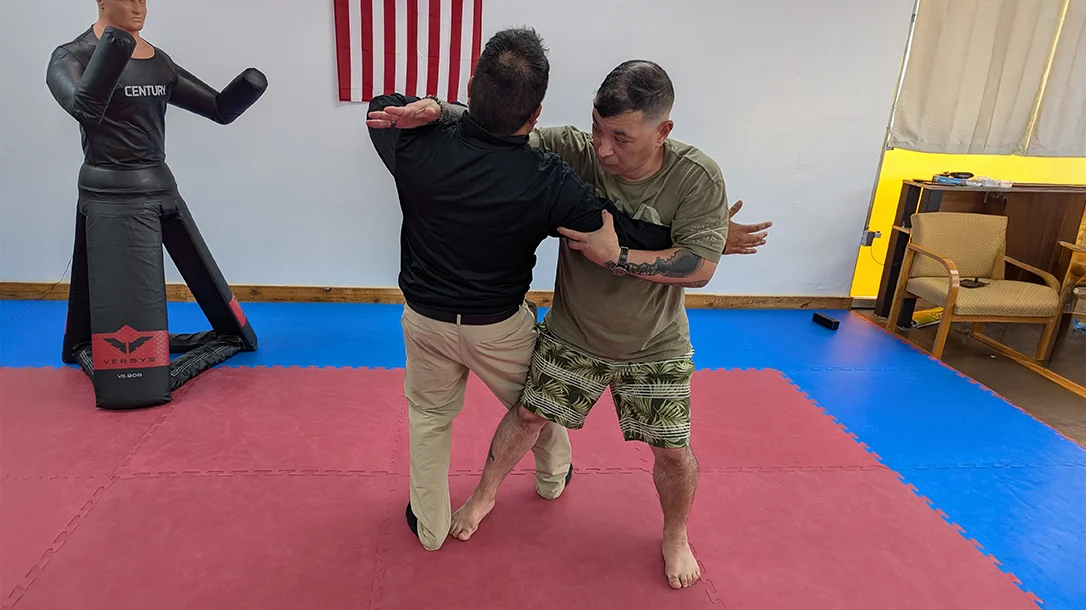
A funny question that I get asked from time to time is, “Do you think that martial arts work in a real street fight?” My answer is always “No, none of it does.” I mean, what do they expect my answer to be? Regardless of what the answer is, the focus of this article is the basics of self-defense—punches, kicks, and throws.
Focusing on the Basics of Self-Defense
The truth is, nobody ever said that you have to fight like Jackie Chan. While there are some variations across fighting styles, a punch is a punch and a kick is a kick, a throw is a throw, and that is martial arts.
In this article, we are going to discuss punches, kicks, and throws. They are the meat and potatoes of a fight. It does not matter what weapon you carry. If you must defend yourself, you will be throwing people, punching them, and possibly kicking them in the face when they are down.
Advertisement — Continue Reading Below
That may seem a bit excessive. However, I think that kicking a person in the face and going home is better than shooting them in the head and not.
So, let’s talk about why everyone should learn to stick to the basics: punch, kick, and throw.
Everyone Has a Plan Until They Are Punched in the Face
Like a lot of people in the security industry, I started off as a bouncer working at bars and clubs. As expected, on any given night, an argument would spark up between a couple of drunks. More times than I could count, the fight would be over as soon as someone got punched in the face.
Advertisement — Continue Reading Below
It’s true, a lot of people like to bark and posture. But they stop as soon as they catch a good one to the nose. While this is NOT always the case, I have witnessed a lot of trash talking start and come to an abrupt stop. My parents taught me not to write a check that my ass can’t cash. It’s too bad more people never learned that valuable lesson.
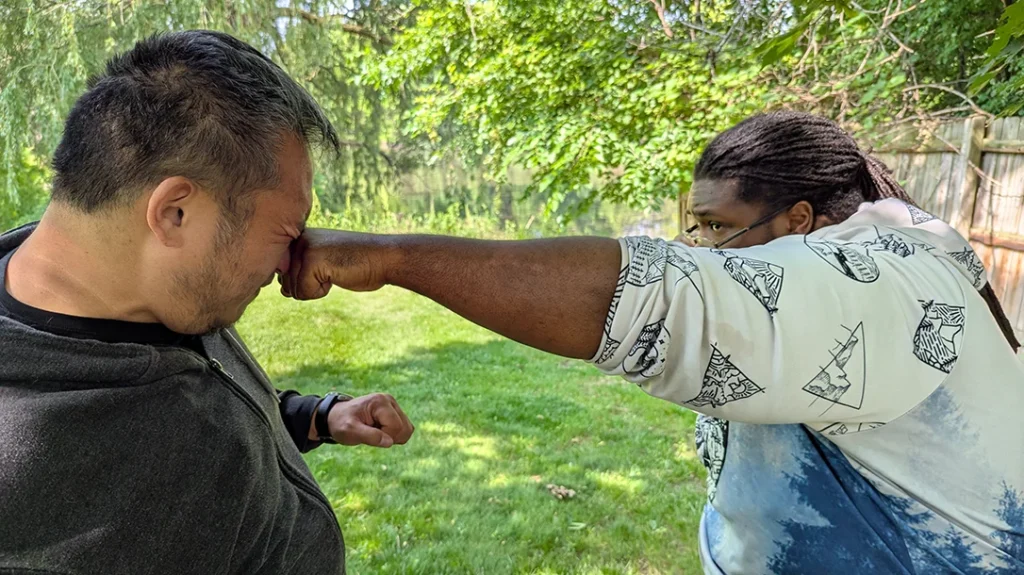
So, learn how to throw a good old-fashioned, time-proven, one-two combination—cross and uppercut. You will be glad that you did.
Advertisement — Continue Reading Below
Kicking Creates Space Between You and a Dummy
I don’t know anyone who enjoys getting kicked. You can literally kick harder than you can punch. If someone does not know how to block a kick, a full-power kick to the breadbasket will drop them, send them flying, or both.
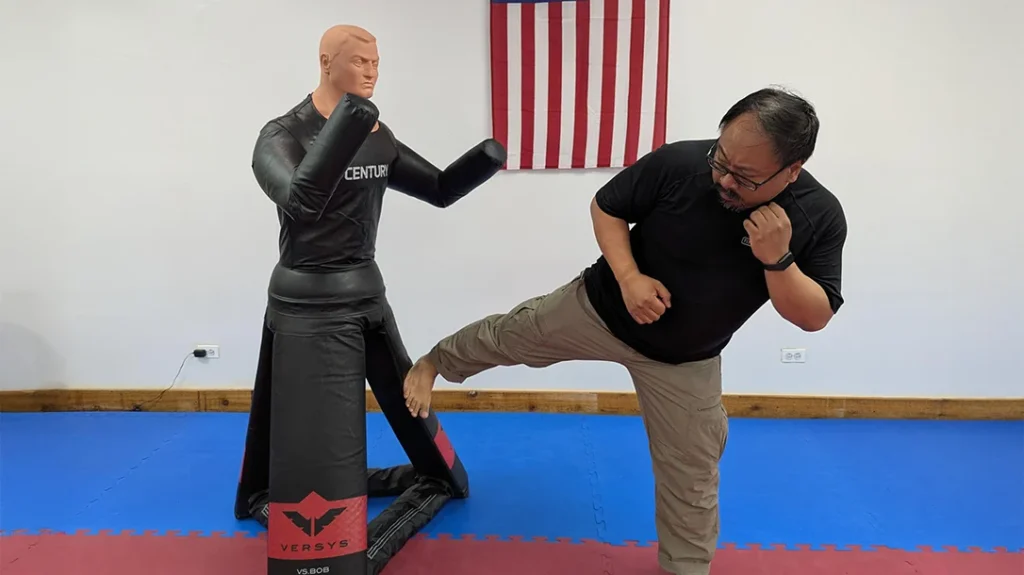
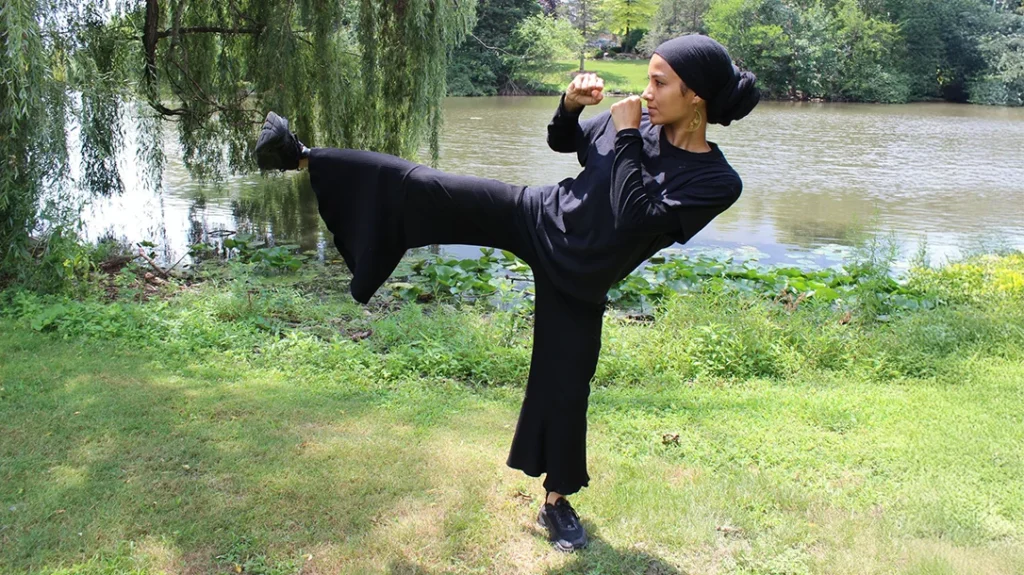
Your legs are longer than your arms. So, if you learn how to throw basic front kicks, sidekicks, and roundhouse kicks, you have a good chance at keeping an untrained attacker at an outside range. Nobody likes to get kicked in the knee, groin, or bladder. Solid kicks can and will slow down an attacker and make them think twice about pressing forward.
Solid kicks can also be an equalizer against a larger attacker who is attempting to punch or grab you. Of course, timing, distance, and footwork need to be developed as well. So, find a gym or a sparring partner and get some leg work in. Don’t worry about throwing head kicks in the street; low kicks can be fight-enders and are harder to block.
Advertisement — Continue Reading Below
If you are in a wide-open area, keep your attacker at a distance with your legs. If he gets past your kicks, throw punches. Finally, if he gets past your punches and tries to grab you, throw him.
Advertisement — Continue Reading Below
Concrete Hurts
There is a reason that Dojos and MMA gyms have training mats. Getting thrown onto concrete hurts like hell.
Law enforcement agencies and every branch of the military around the globe have been learning and practicing combat throws before MMA was ever a thought. You should learn them too.
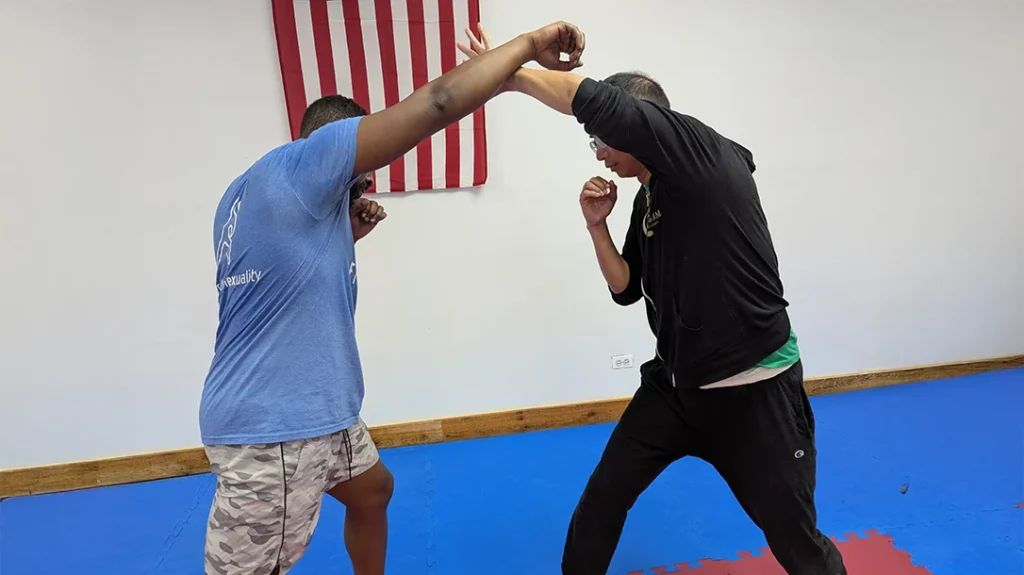
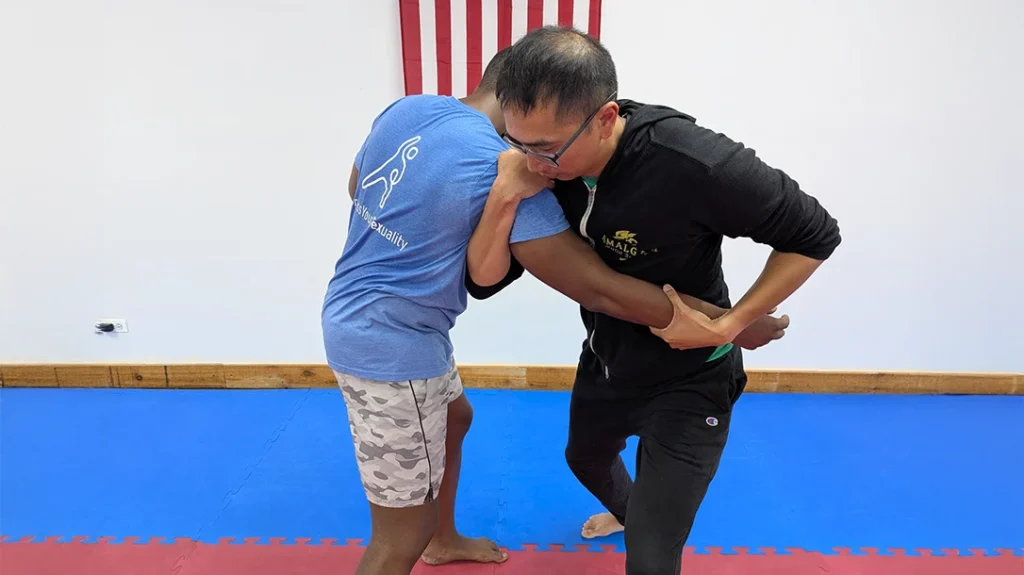
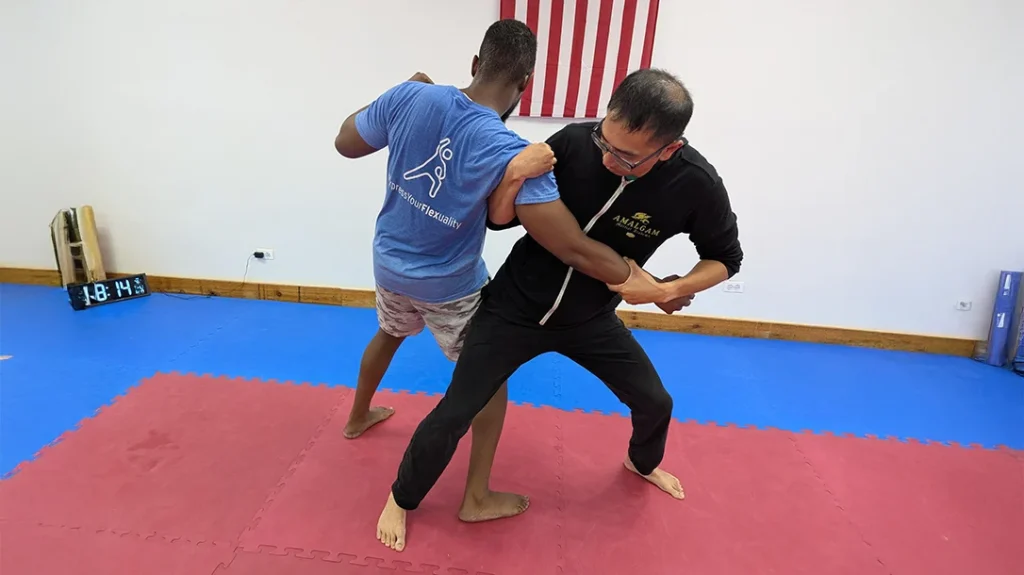
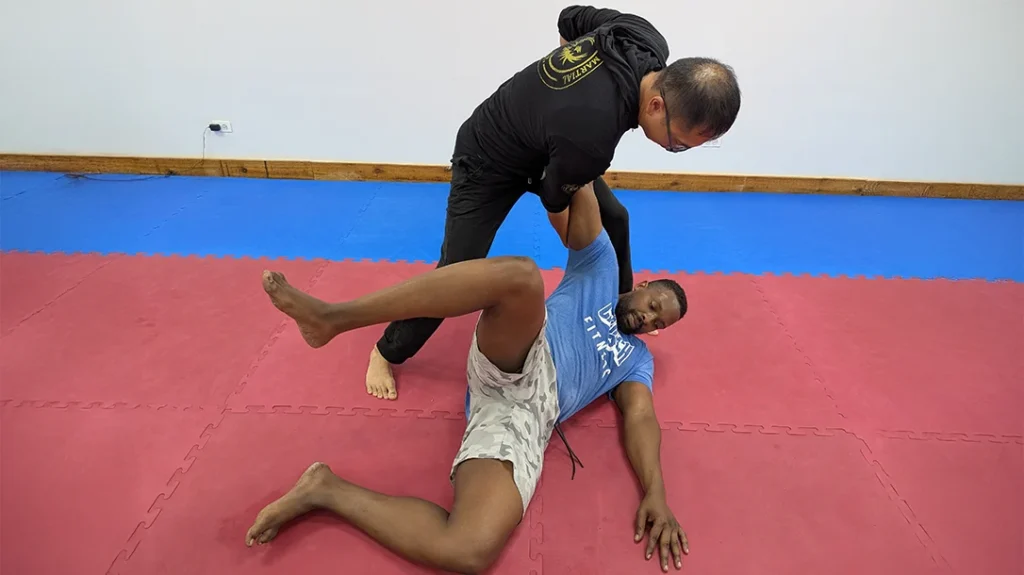
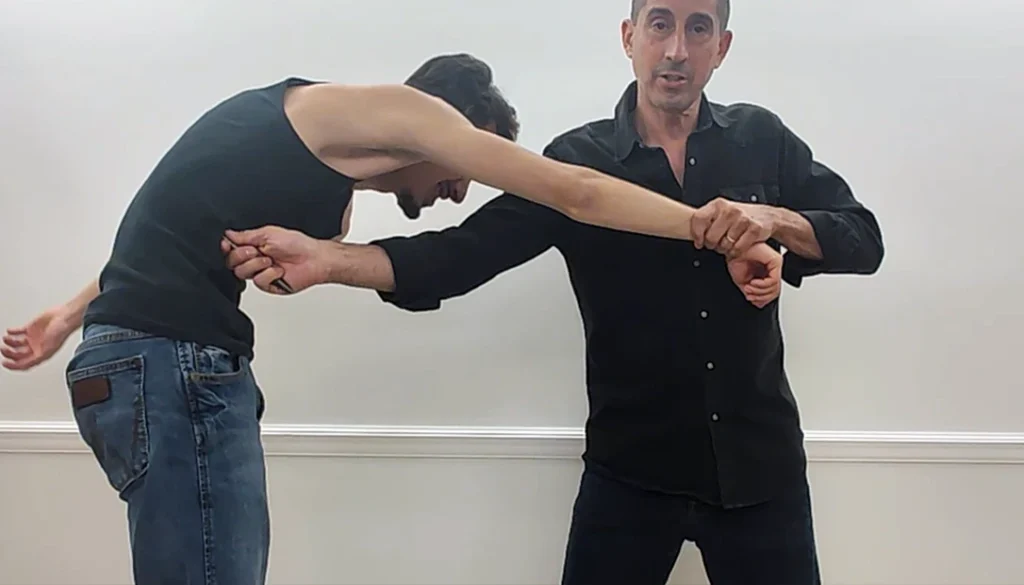
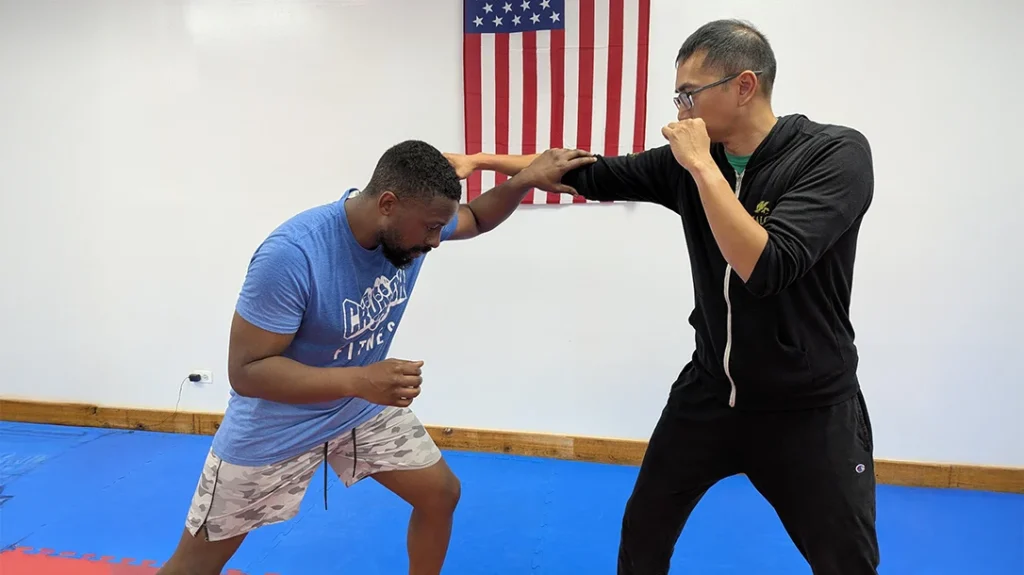
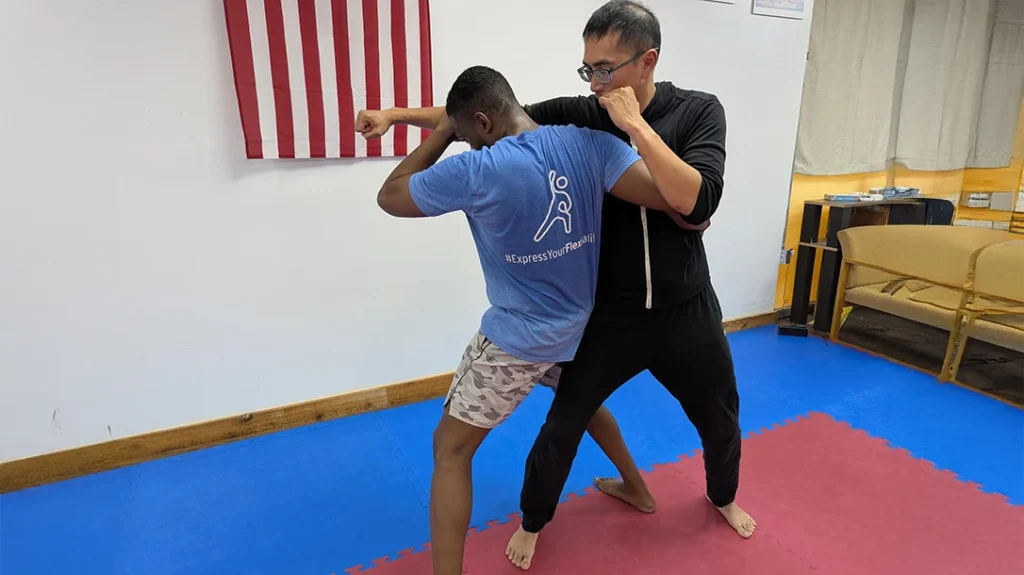
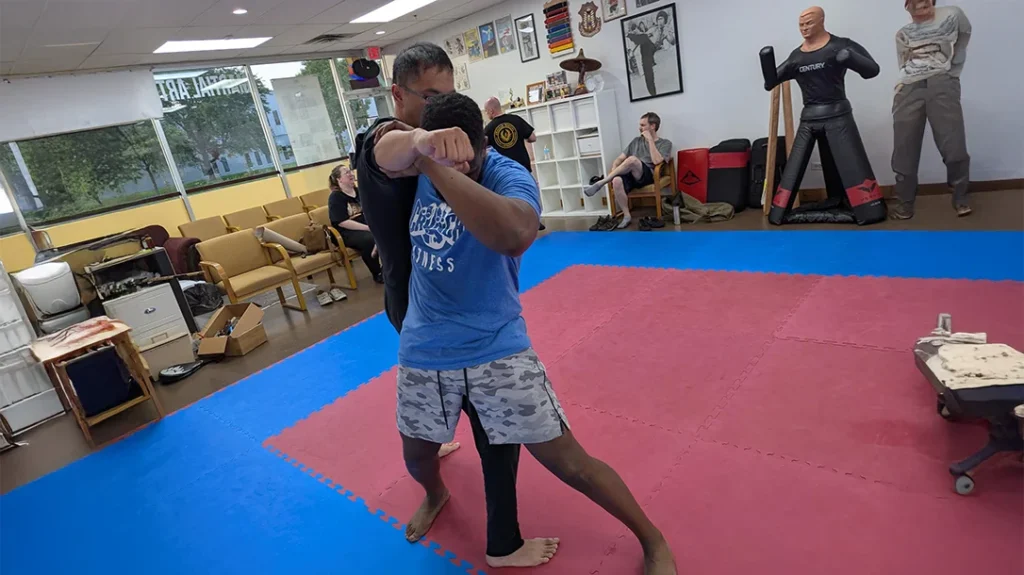
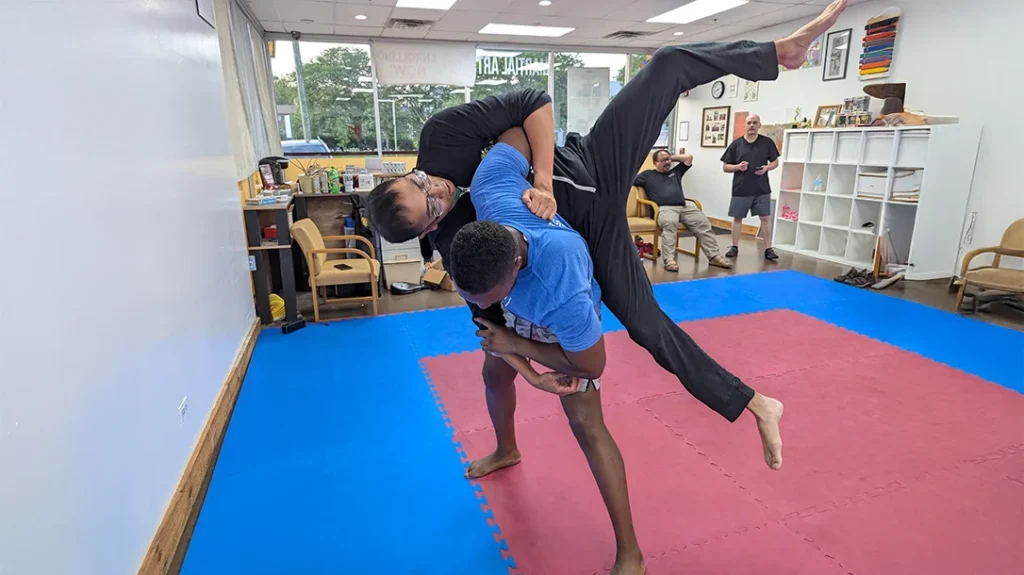
Basic hip tosses and common Judo throws can be a game-changer in a fight. You grab an arm, hook a shoulder, pop your hip, and send someone crashing into an immovable object or onto the concrete. It can break bones or just knock the fight out of a once-aggressive person.
Advertisement — Continue Reading Below
Below are a couple of examples of throws that can land an attacker in a world of ouch.
Hip Throw 1:
Hip Throw 2: