When it comes to personal defense, it is an unfortunate fact that there are places where you simply cannot carry a firearm. Few items in world history have the power to level the playing field like a firearm. Another thing to consider is that maybe you do not want to carry a firearm. It may be fear, lack of confidence, or many other reasons. While it goes against conventional thinking to say this, I respect people who choose not to carry for personal reasons. An alternative is chemical defense agents.
Chemical Defense Agents – What You Need to Know
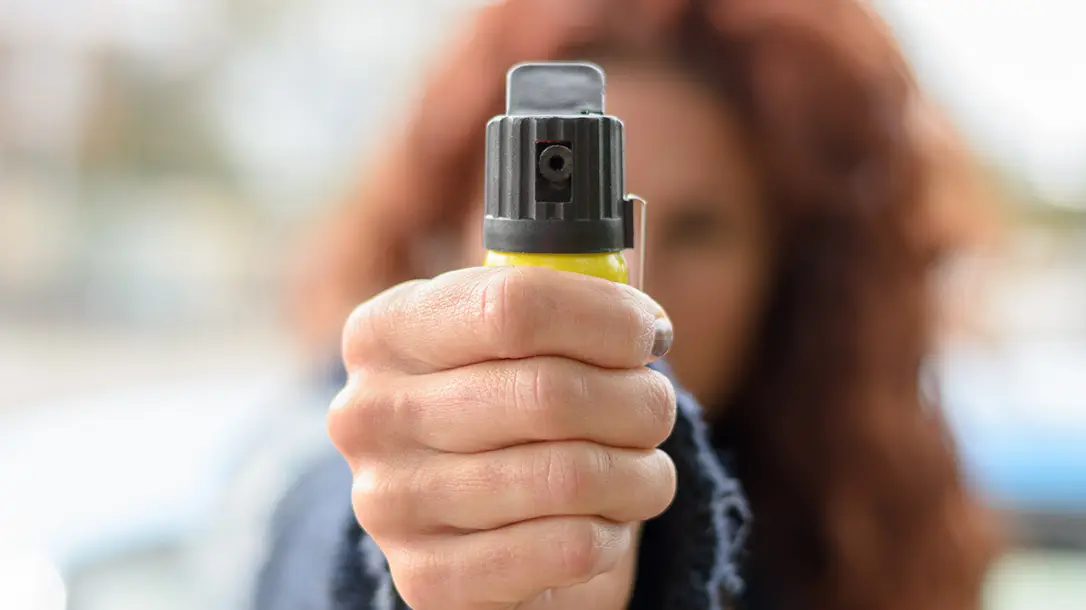
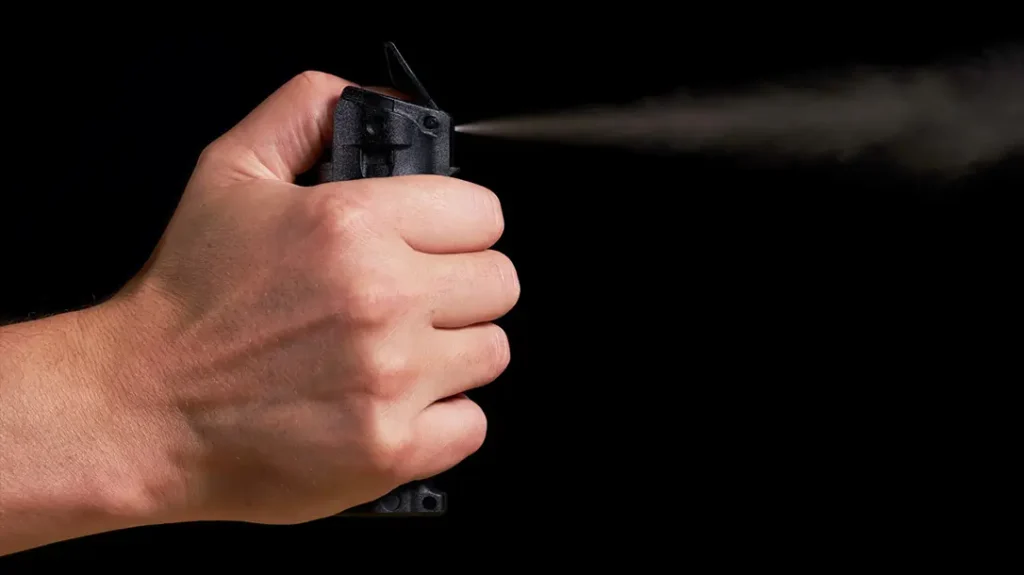
While there have been versions of defense sprays over the years, the predominant modern choice is pepper spray. Pepper spray or OC spray is a product containing capsaicin, which irritates the eyes with burning and pain and causes them to close, leading to temporary blindness. This blindness allows an opportunity to escape. It also causes temporary discomfort and a burning sensation in the lungs, leading to shortness of breath. Pepper spray is also used by law enforcement, primarily for crowd control. A fun fact is that pepper spray was originally engineered for defense against bears.
Advertisement — Continue Reading Below

Components
The active ingredient in pepper spray is capsaicin, derived primarily from chili peppers as oleoresin capsicum (OC). Determining the strength of pepper sprays made by different manufacturers can be confusing and complicated. Statements a company makes about its product strength are not regulated. The US federal government uses CRC (capsaicin and related capsaicinoids) content for regulation. CRC is the pain-producing component of the OC that produces the burning sensation. Personal pepper sprays can range from 0.18% to 3%.
Most law enforcement pepper sprays use between 1.3% and 2%. The government has determined that bear attack deterrent sprays must contain at least 1.0% and not more than 2% CRC. In short, the higher the percentage, the more powerful it is.
Advertisement — Continue Reading Below
Effectiveness
As a defense tool, pepper spray is effective even if the person is physically numb because of drugs or alcohol. The irritation and effects against the eye and lungs are not dependent on the assailant’s tolerance to pain. The key to using pepper is to spray it and escape as quickly as possible. The effects are not instantaneous, and if they are in close proximity, they can still cause you harm.
As with any weapon, I encourage you to train with pepper spray. There are inert units available that allow you to see how it works, get a feel for its range, and spray pattern. When choosing a spray, I say that the “hotter” it is, the better. Choose something that has a higher probability of being effective. When spraying, direct the stream directly at the face and eyes. Spry placement matters, and once again, it’s why we practice.
Advertisement — Continue Reading Below
Chemical Defense Agents
While not as effective as a gun, pepper spray can be a decent alternative as a personal defense weapon. Our goal and hope is to never have to use it. But always be prepared. Have your weapon easily accessible and ready to go in the event that something terrible happens.
WHY OUR ARTICLES/REVIEWS DO NOT HAVE AFFILIATE LINKS
Affiliate links create a financial incentive for writers to promote certain products, which can lead to biased recommendations. This blurs the line between genuine advice and marketing, reducing trust in the content.
Advertisement — Continue Reading Below