Accuracy with a precision rifle is more than just the gear you have. It is a matter of running the gun right to enjoy the precision the rifle is capable of. With that in mind, it is time to take a look at some of the key components of precision shooting.
Components of Precision Shooting – Making the Shot
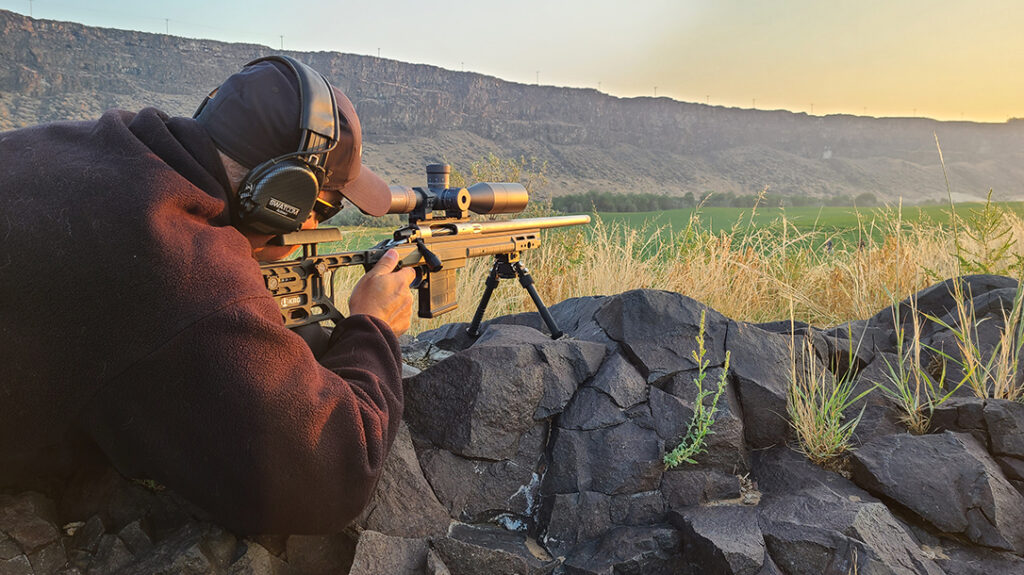
The first thing we must embrace is the fact that you need to relax. Being tense and rigid behind the gun will lead to disruptive movement, even if only slightly. Our goal is to provide a solid base to mount the rifle and support it. We want to minimize the amount of movement we put on the gun. An even more detailed point is that we want to minimize how much we are even touching the gun. This rifle in a Ransom rest is capable of exceptional accuracy. We must strive to be similar to a rest.
Advertisement — Continue Reading Below
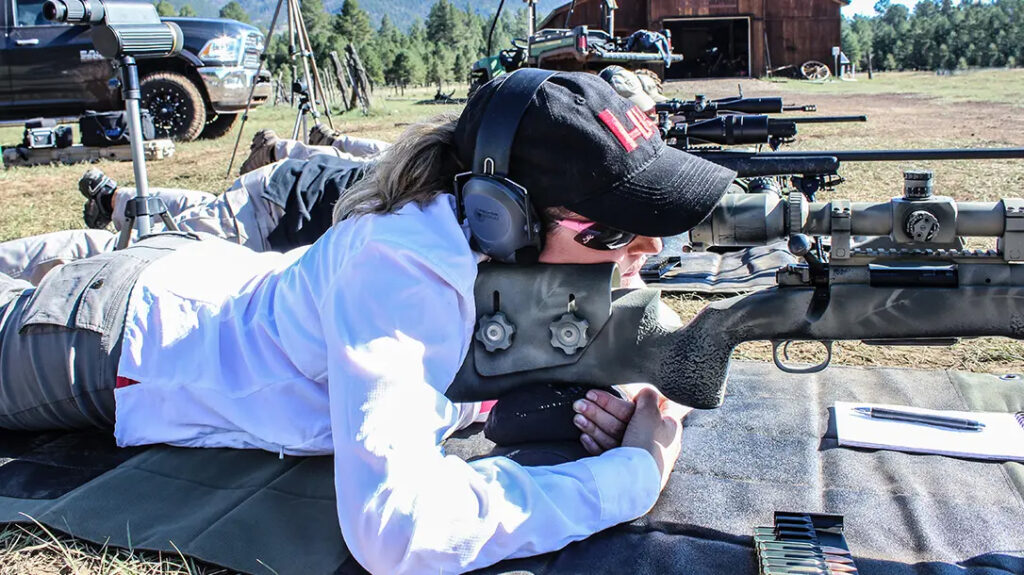
Body, you should position yourself behind the gun so the gun is aligned with your dominant side. So, if you are right-handed, you should be able to draw a straight line from the end of the barrel to your right toe. This works well on most rifles. Only very large caliber guns require you to take a more spread-eagle position.
Don’t Grip the Stock
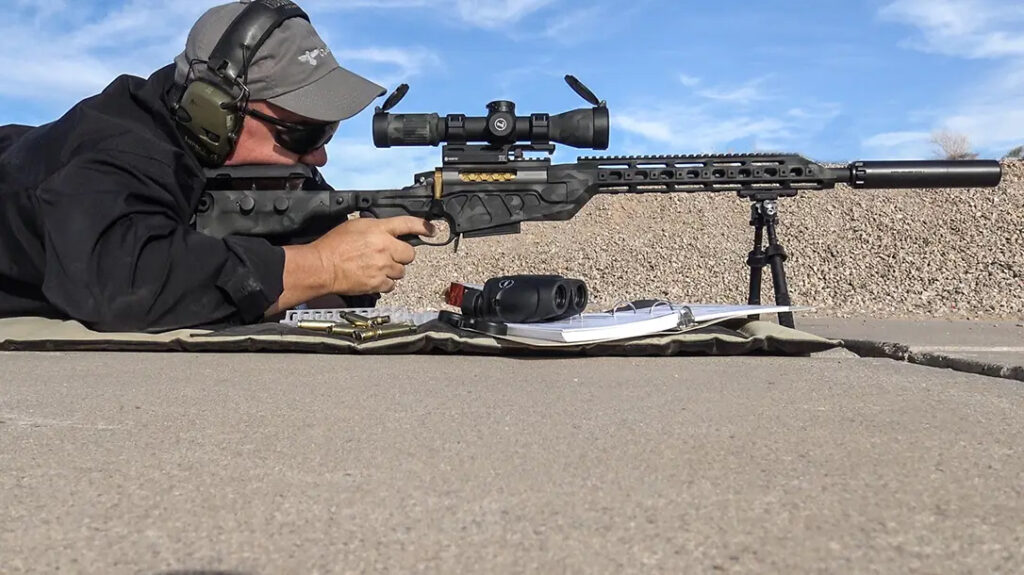
Place the stock in the pocket just in front of your shoulder for support. It is important that you do not “hold” it there. Put the butt stock in position and relax your body. If the barrel rises significantly, the butt pad is too low. Once you are in a good position, move forward just slightly to load pressure on the bipod. This will help stabilize our position.
Advertisement — Continue Reading Below
Now we want to place the rear bag under the bottom end of the stock. A quick note here. Try to keep the bag centered under the stock. If it is sitting at an angle, you can cause slight movement left or right when you squeeze it. When the bag is squeezed, you want the stock to only go directly up or down.
Hand placement is equally important. For all intents and purposes, our shooting hand only has two jobs. To press the trigger and run the bolt. With this in mind, place your shooting hand along the side of the gun with your finger on the trigger. Avoid the temptation to grab the stock. The reason is that as we press the trigger, our hand will squeeze slightly, and that extra pressure on the gun can cause unwanted movement.
Advertisement — Continue Reading Below
Correct Head Placement
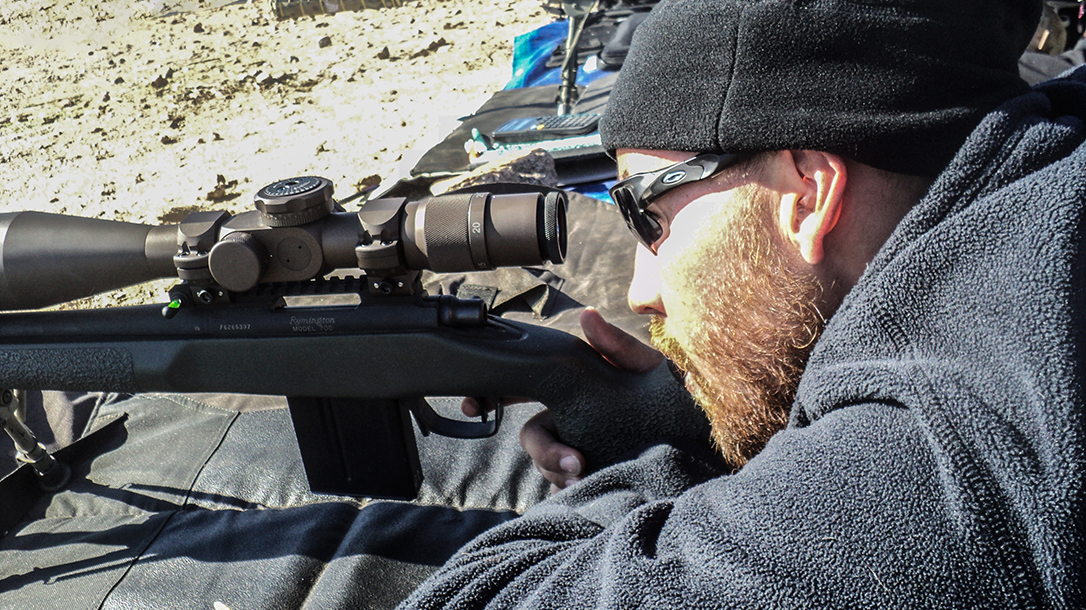
Now we will look at head placement. This is where having the correct scope ring height and a cheek rest is essential. As you lay your cheek on the stock, your eye should be directly in line with the optic. It is important to take the time to fit your scope for height and eye relief. Anything beyond centered will force us to crane our neck or hold our head at a certain position. Once again, we want to be relaxed. One quick note while we are here on the scope. Always take the time to adjust the parallax. We want to milk every bit of glass clarity and precision out of our setup as much as possible. Adjust the parallax, close your eyes for a moment, and relax. Now open your eyes to confirm it is correct.
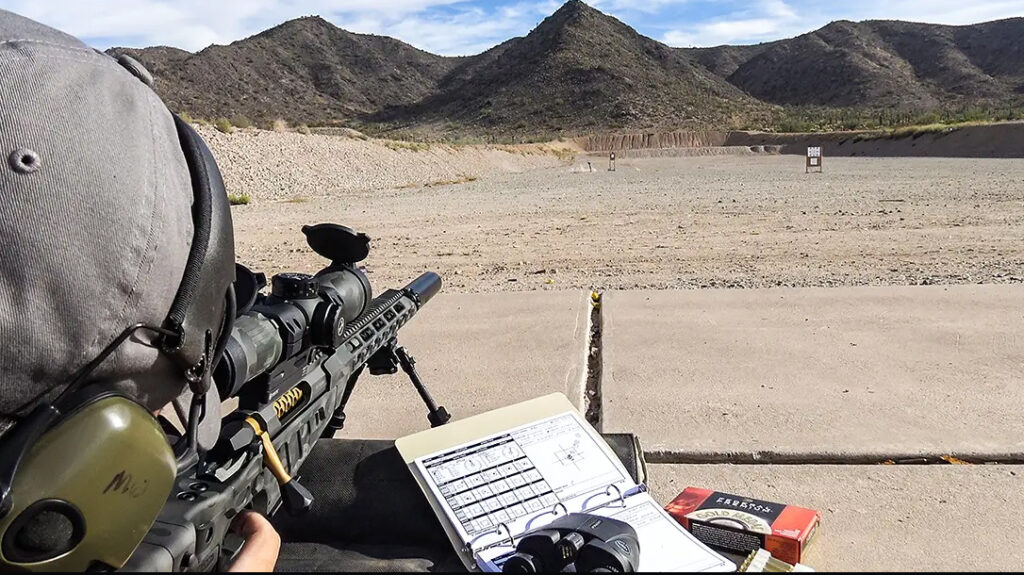
When we finally run the trigger, we want it to be a smooth, continuous movement. Avoid jerking the trigger, which causes rifle movement. Now press the trigger and hold it to the rear just for a brief moment. Once the shot breaks, stay on the optic and do your best to watch your round make impact. Avoid raising your head to admire your handiwork. This follow-through puts us in a better position to make our follow-up shots.
Advertisement — Continue Reading Below
Components of Precision Shooting
Running the bolt should be quick but smooth. Avoid yanking the bolt around because, as you guessed it, it moves the gun. This is something that you can practice dry in a safe setting. This is also a time to explore just how smooth your action is. It should be firm, but if the bolt requires a lot of pressure to move or it wiggles excessively, it’s time to reconsider the gun you are running.
To say this is the tip of the iceberg regarding making a precision shot would be an understatement. There is as much art as there is science behind hyper-accurate shooting. These fundamentals are a good place to start, but if you are going down this rabbit hole, training is in order. Take your time, embrace the fundamentals, and make a good shot.
WHY OUR ARTICLES/REVIEWS DO NOT HAVE AFFILIATE LINKS
Advertisement — Continue Reading Below
Affiliate links create a financial incentive for writers to promote certain products, which can lead to biased recommendations. This blurs the line between genuine advice and marketing, reducing trust in the content.