There are a lot of moving parts in good shooting. Grip, sight picture, trigger work, recoil management, movement, and decision making. When you try to work on everything at once, it is easy to burn ammo and walk off the range unsure of what you actually improved. The whole idea behind the Ammo Saver series is to fight that problem directly. We break big skills into smaller, focused drills that you can work with a single box of ammunition and a simple target setup. In this installment, we are looking at transitioning between targets.
A Focus on Transitioning Between Targets
The goal is not to impress anyone with a blazing split time. Instead, we are trying to train the eyes, the brain, and the gun to work together in a very deliberate way. You land a hit on one target, confirm it, then transition to the next target of opportunity and get another solid hit. Only when that second hit is confirmed do you reset and run it again.
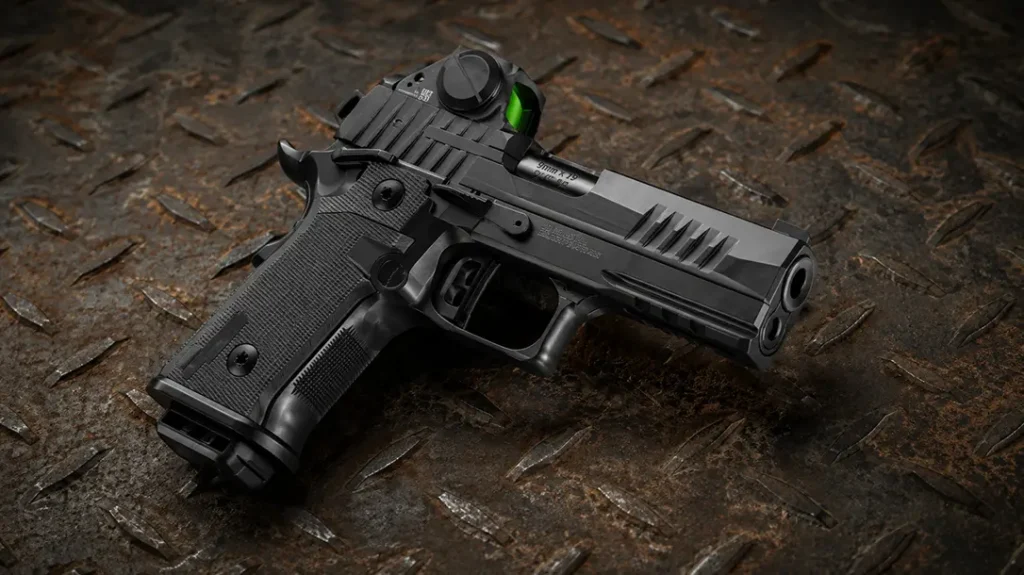
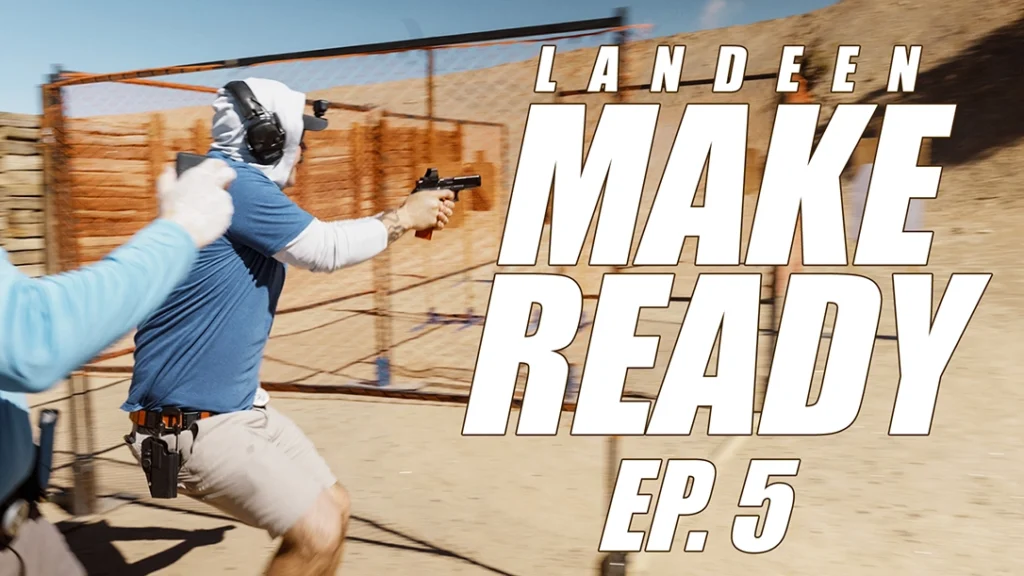
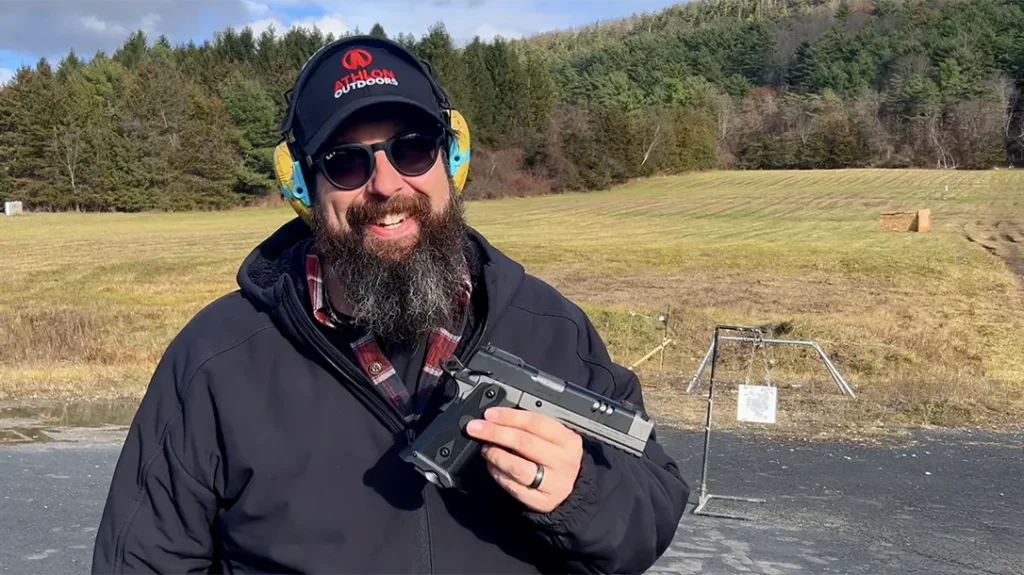
The video (above) for this drill features the Girsan Match X, a 2011-style pistol chambered in 9mm with magazines by Check Mate. It is a very capable platform with a lot of performance packed in.
Advertisement — Continue Reading Below
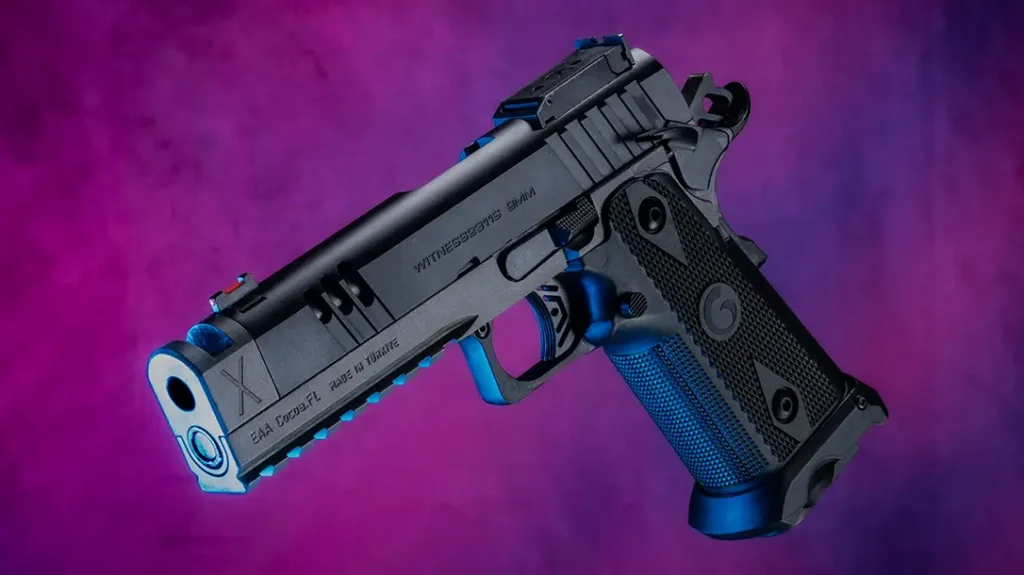
Nothing about this drill demands that gun specifically. You can run it with a polymer pistol, a revolver, or even a carbine. The important part is the process, not the firearm.
Why Practice Transitions
In a real defensive encounter, you are not guaranteed a single, static target that politely holds still in the center of your lane. There may be more than one threat. There may be a better piece of cover that you need to work around. You may need to solve more than one problem in a very short amount of time.
Advertisement — Continue Reading Below
Target transitions live at the intersection of vision, control, and discipline. Many shooters try to move the gun first and let their eyes chase the sights. This drill teaches the opposite. You train your eyes to lead, and the gun follows. You learn to confirm hits instead of guessing. You build a habit of finishing the work on the target in front of you before you rush off to the next problem.
It is a small drill, but it builds habits that pay you back in a much larger way.
Setting Up the Transition Drill
You only need two targets and one box of ammunition. That’s it. The targets can be simple cardboard silhouettes, paper bullseyes, steel plates, or whatever you have available.
Advertisement — Continue Reading Below
Place them roughly 20 feet away. If that feels too ambitious for your skill level or for the size of the targets you have, bring them closer. There is no shame in starting at a distance that lets you get reliable hits. The goal is not to miss bravely. The goal is to build trustworthy transitions.
Once the targets are placed, start with a short warm-up. Pick a single target and fire a handful of rounds to confirm your sights and your fundamentals for the day. That warm-up matters.
This drill depends on clean hits to function correctly. If your grip is loose or your trigger work is sloppy, you will waste time and ammo later when the drill really starts. Take those first few shots seriously and get yourself settled.
Advertisement — Continue Reading Below
Starting Position
I recommend that most shooters begin this drill from a low ready position. The handgun is loaded, the safety rules are respected, and the muzzle is pointed downrange at a safe angle. Starting at low ready removes one layer of complexity. That gives your brain space to focus on the transition itself.
There are plenty of shooters who will want to run this from concealment. That is fine, and in time, it is a valuable progression. However, if you layer draw stroke, concealment, and target transitions together too soon, you risk blurring everything. You may walk away not knowing if a bad rep was because of the draw, the sights, the grip, or the transition.
My advice is simple. Master the visual discipline of this drill first, then add the holster later.
Advertisement — Continue Reading Below
Whatever starting position you choose, follow the four rules of firearm safety strictly. Remember, the vast majority of injuries on the range happen while holstering. We are working on skill here, not shortcuts.
Core Transition Process
Once you are loaded and ready, take a moment to breathe and pick your first target. At the start of each rep, your eyes are already on the target you intend to engage. Do not bring the gun up first and then search for the target. Instead, focus your eyes on the exact spot you want the round to go.
From low ready, bring the sights to your eyes and press the trigger. As the gun recoils, immediately confirm your hit. It’s critical that you see the impact of the round on the target. The drill does not continue until you have that confirmation.
Advertisement — Continue Reading Below
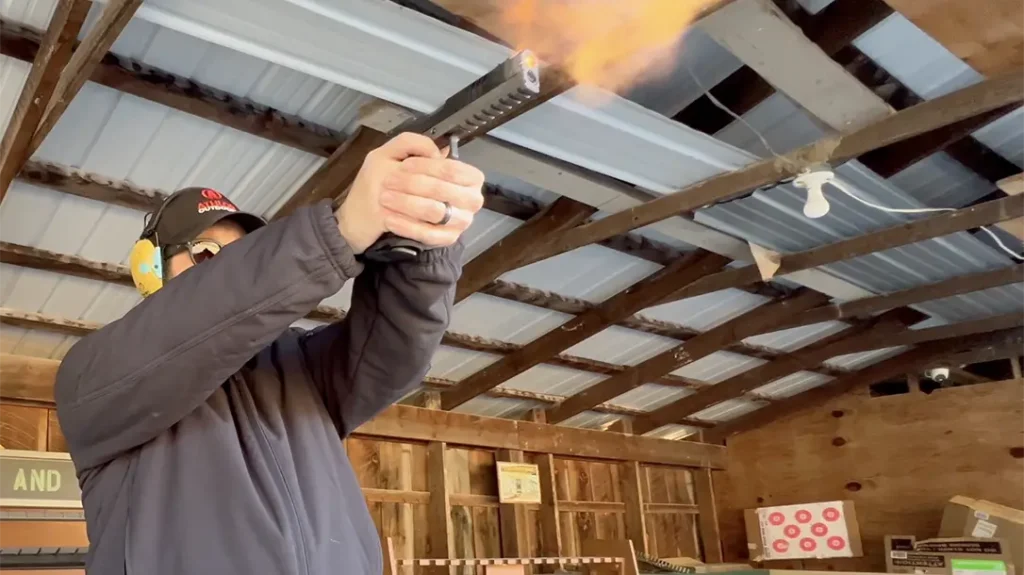
With the hit confirmed, keep the pistol fully extended. Do not draw it back in or dip the muzzle. At this point, the gun stays where it is, and your eyes move first. Shift your eyes to the second target of opportunity.
When, and only when, your eyes are locked on the new target do you move the gun. Bring the sights to that new line of sight, settle them where you want the next round to go, and press the trigger again.
If that hit is confirmed, the rep is complete. Reset your focus, choose the first target again, and repeat the sequence. On the next run, you are starting from the target you just shot. Over time, you can change the angles, move your body position, or vary the distance, as long as you keep the core rule in place. Eyes first, gun second, confirm before leaving.
Drill Coaching
A very common error in this drill is the urge to leave early. Shooters will break the first shot and start swinging the gun toward the next target without ever confirming the hit. That is exactly what this drill is designed to correct. You must commit to the idea that the first target deserves a good hit before the second target gets any attention.
Another mistake is moving the gun and the eyes together. If the gun and your gaze slide across the range as a single unit, the sights float past the target, and you end up trying to “catch” the right picture in motion. You might still hit, but the process is more luck than discipline.
Coach yourself to move your eyes first, then the gun. This process may feel counterintuitive, but it’s much smoother and faster on a scored course or in defensive shooting.
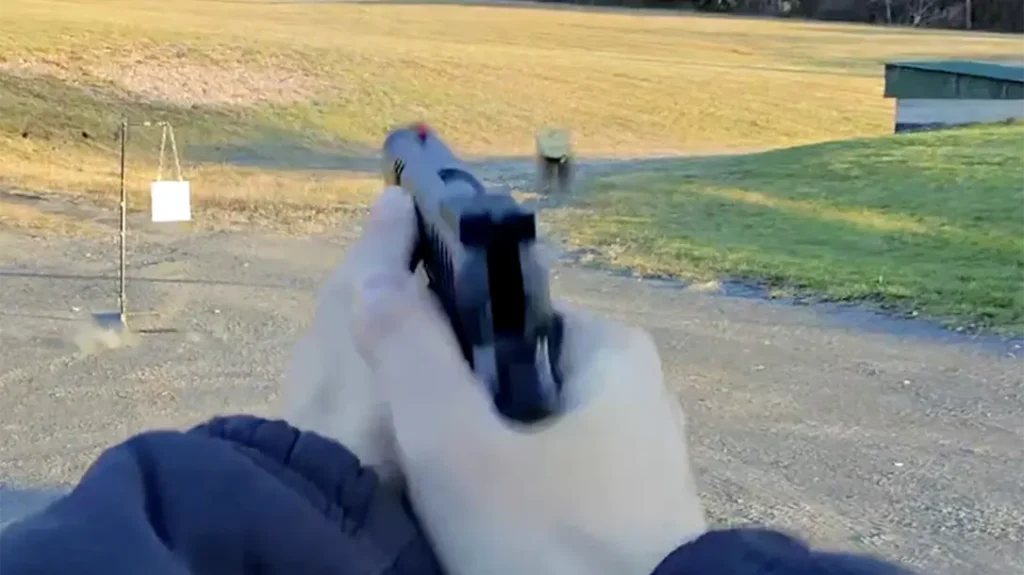
Rushing the trigger is also common once shooters get comfortable. The drill does not reward speed without accuracy. The whole point is to land the confirmed hit, transition with intention, and land the second confirmed hit. If you find yourself throwing shots, slow everything down. You can always add speed later.
Make the Most of One Box
One of the strengths of this drill is how much learning you can pack into a single box of ammunition. You can run a short session after work or get to the range early and complete several focused reps without draining your wallet or your patience.
Between magazines, adjust one variable at a time. You might take a single step to the left or right to change the angles. You might push the targets a little further back once your hits are reliable.
Just remember this guiding principle. The purpose of this drill is to get good hits on the target in front of you before you move your attention somewhere else. If the targets in their original position are already challenging, resist the urge to chase distance. Keep them where they are and refine your discipline instead.
We do not get to choose what our fight will look like. We do not get to script the fight. What we can do is build a level of capability that travels with us. Transitioning between targets is a small, simple piece of that puzzle, and it will serve you well if you run it honestly.
Shoot safe.
WHY OUR ARTICLES/REVIEWS DO NOT HAVE AFFILIATE LINKS
Affiliate links create a financial incentive for writers to promote certain products, which can lead to biased recommendations. This blurs the line between genuine advice and marketing, reducing trust in the content.