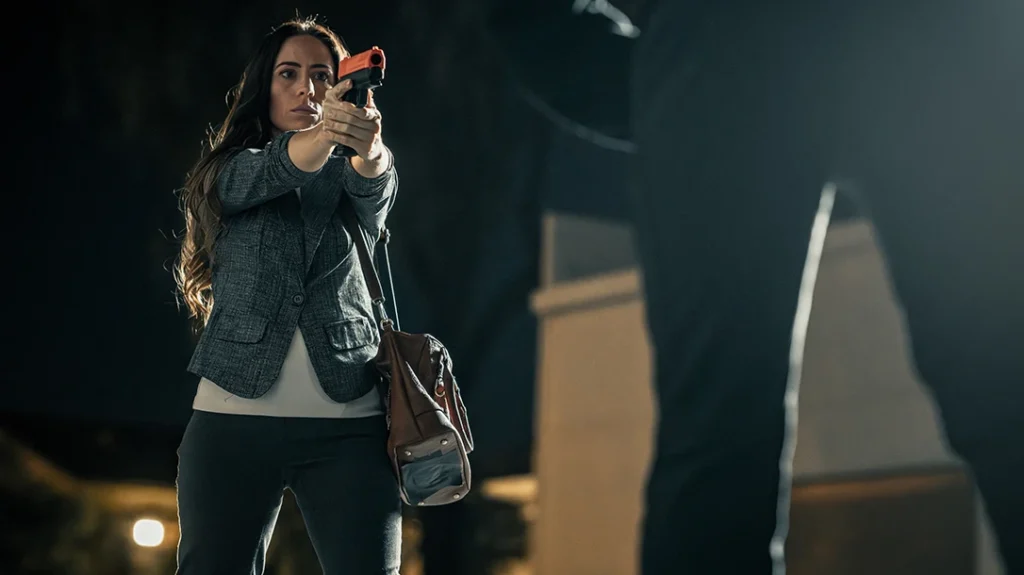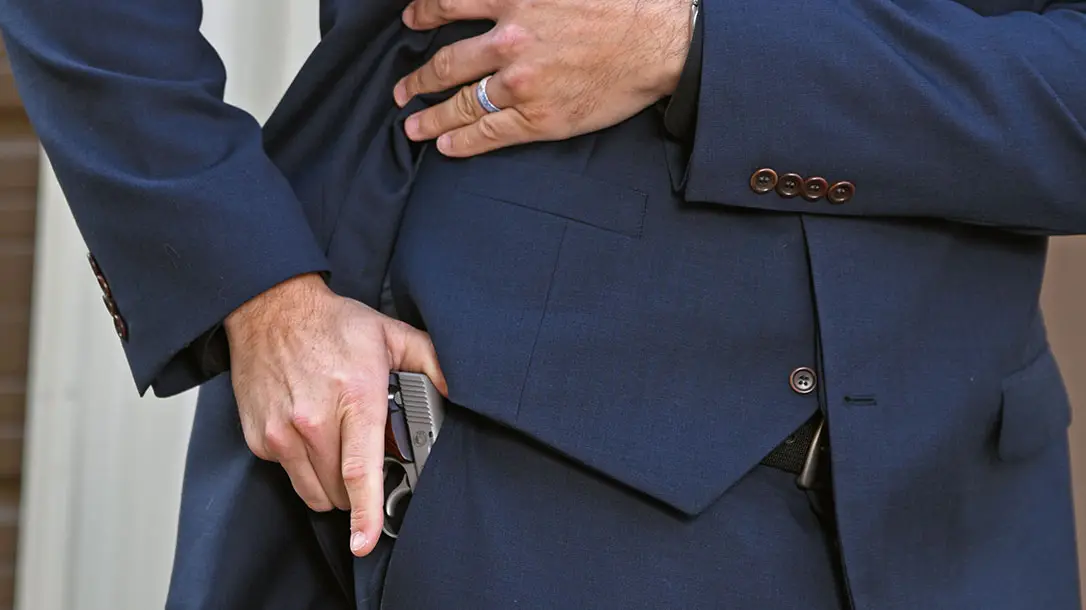
Carrying a firearm is the result of compromises in decisions. How we carry a handgun, including the choice of firearm and method of carrying, is a balance of concealability, size and capacity, comfort, and accessibility. We are all familiar with standard beltline concealed carry options, but what about non-waistband options? Let’s take a look at some different methods.
Non-Waistband Options for Concealed Carry
Over the years, I have preferred outside-the-waistband, carrying a full-sized semi-automatic handgun in the 4 o’clock position. This is slightly behind the midline, to the right.
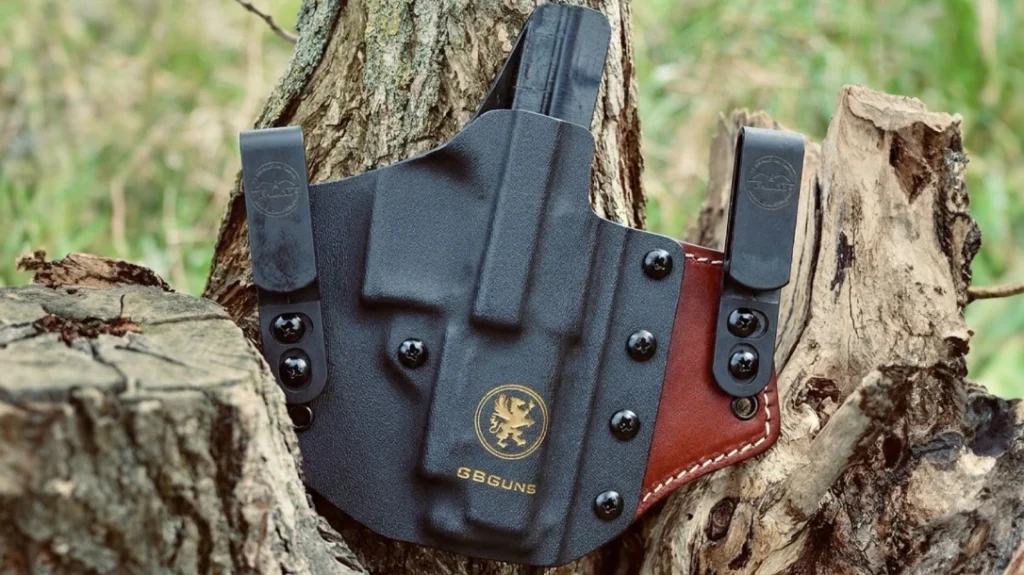
My holster of choice is an outside-the-waistband holster with about 10 pounds of tension holding the firearm in place. This is then concealed with either a thicker outer shirt or a jacket. When the weather is hotter, or the need to conceal is greater, I tend towards an inside-the-waistband holster with a thinner (slimline) full-sized handgun.
Advertisement — Continue Reading Below
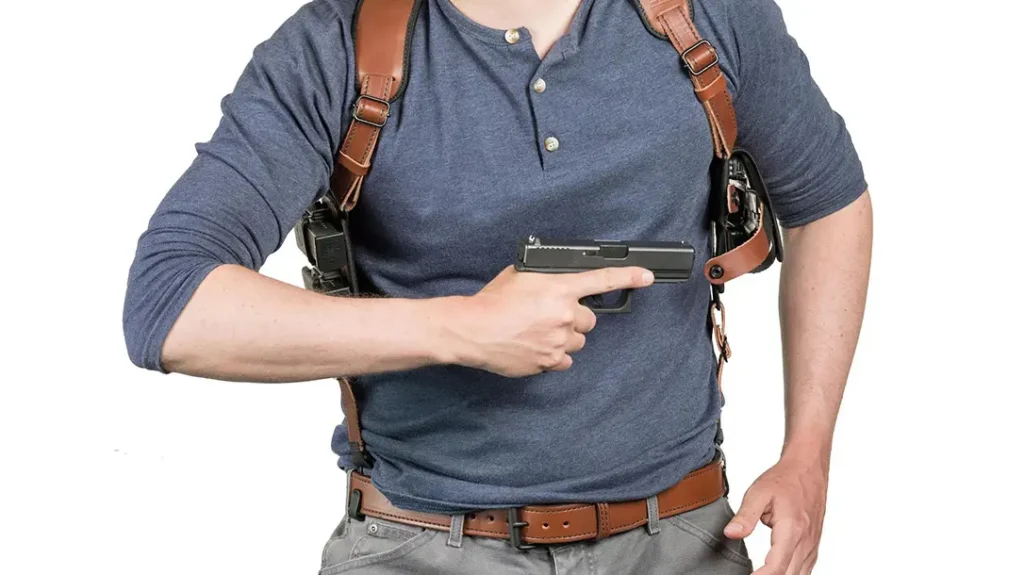
Though these two methods are by far my preferred carry methods, I have some experience carrying firearms in other positions. These methods of carrying on the body include shoulder holsters, ankle or calf holsters, and pocket holsters.
How many Americans are Carrying Firearms
Firearm ownership in the United States is 32% of the population, with an additional 10% living in households with firearms. Additionally, 72% of gun owners report self-defense as an important reason why they have access to a firearm. Likewise, 81% report feeling safer with having access to a firearm.
Advertisement — Continue Reading Below
However, a much smaller number (approximately 1%) regularly carry a firearm, even in states that have no restrictions on carrying. This may be driven by legal issues, assessment of home defense being a greater threat, and issues of comfort.
If indeed “an armed society is a polite society,” why aren’t more people carrying their firearms?
A Systematic Model for Carrying
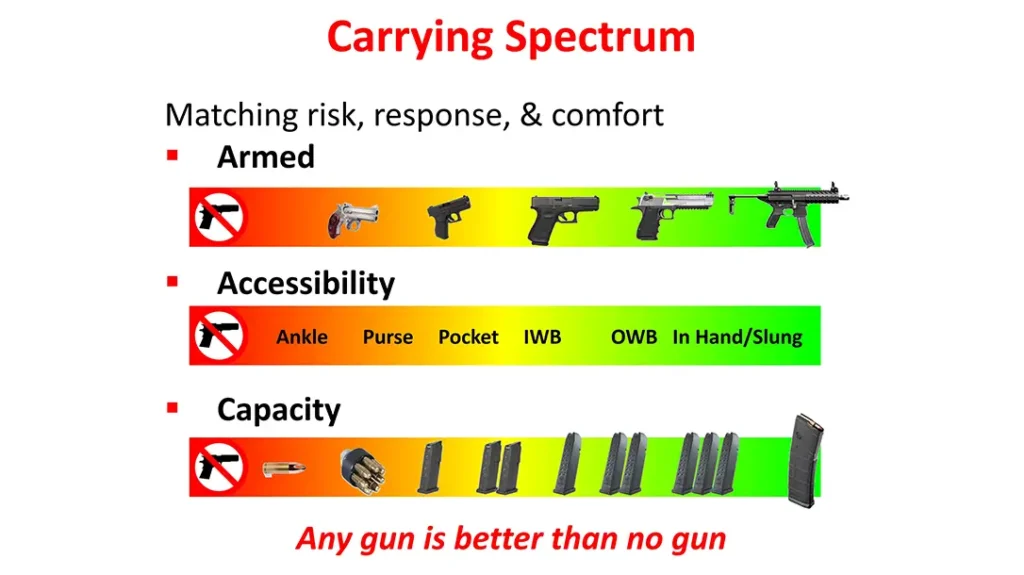
Before I go through my own experiences, it is worthwhile to examine what factors decide how we carry. Each factor will vary in importance for each of us and may change from situation to situation. For example, when concealment is the primary concern, I often carry a smaller firearm in a deeply concealed calf holster.
Advertisement — Continue Reading Below
As we decide how we wish to carry, we need to decide what is more or less important to us. It will directly impact how we carry, what firearm we carry, and what gear we use to carry.
Concealability
How important is it to conceal that you are carrying? This ranges from open carry (no concealment) to deeply concealed, small firearms. Some of the decisions will be governed by local laws and regulations.
Advertisement — Continue Reading Below
In the case of an open carry state, all options of carrying are on the table. However, other states may mandate concealment of a firearm. Regardless of your state’s laws, how important is concealment to you personally?
Concealment is often at odds with other items on this list, such as accessibility, size, and capacity. The more deeply concealed a firearm is, the more likely it will be harder to access and involve a smaller, lower-capacity firearm. If concealment is the most important factor to you, then that will dictate your other choices.
Accessibility
How quickly do you want to be able to access your firearm? The faster it is to access, the less easily concealed it is. Many non-waistband carry methods provide additional concealability, but at the cost of slower or more involved access methods. It is much quicker to draw and present from a non-concealed outside-the-waistband holster than from a deeply concealed ankle or calf holster.
Advertisement — Continue Reading Below
With practice and training, you can become quicker and more efficient in presenting a firearm from any position. But the reality is that accessibility is often counter to concealability.
Size and Capacity
Concealability and comfort will likely dictate the size and capacity of your firearm. Typically, larger firearms are easier to shoot (less recoil) and have a greater capacity. Emergency room data suggests that the average physiological stop with a 9mm is 3-5 rounds.
Using this as a guide, a firearm with 6 rounds has 1-2 stops (assuming all hits). A firearm with 17 rounds has 3-5 stops. A close friend of mine often says he doesn’t want to die due to a lack of return fire. Thus, he tends to carry higher-capacity firearms with additional loaded magazines on his person.
Advertisement — Continue Reading Below
There are two factors at work here. First, you want to carry a firearm you enjoy shooting, and larger firearms are often easier to shoot. Second, the greater the capacity, the more potential situations you are prepared for. The larger the gun, the harder it is to conceal and the less comfortable it may be.
Comfort
Finally, you need to consider how comfortable it is to carry. This often refers to both physical and psychological comfort.
Though many of us might be tempted to deem this less important, the reality is that an uncomfortable or difficult carrying method is less likely to become a day-to-day habit. The easier it is to add a firearm, and the more comfortable we are with carrying it, the more likely we will start carrying every day.
Use these factors to assess your own carrying methods. If accessibility, size, and capacity are most important, you may well decide on a larger gun in an outside-the-waistband holster. If comfort and concealability are high on your list, you may opt for pocket carry or an ankle calf holster.
My Personal Experiences
Shoulder Holster
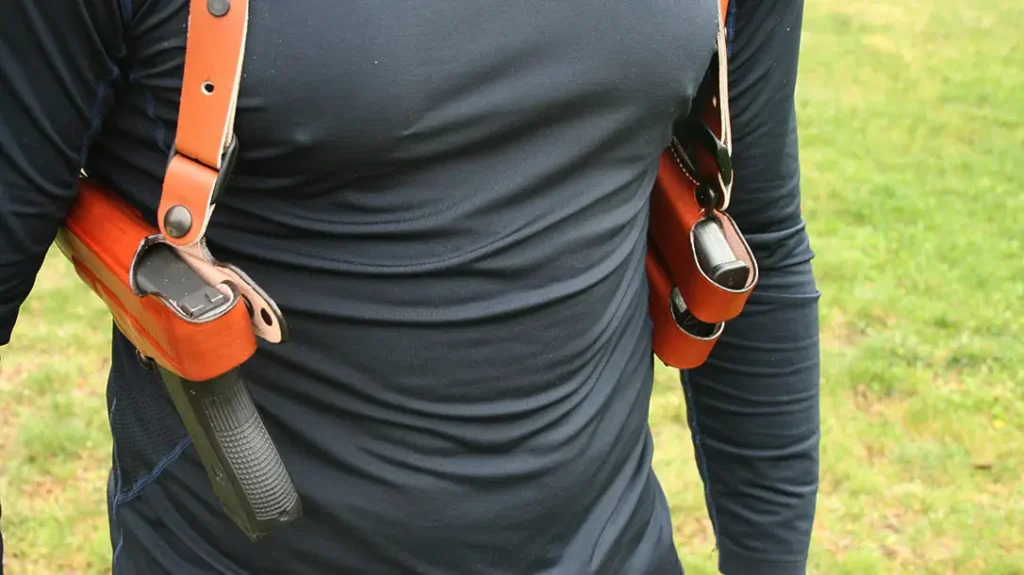
I carried a smaller/lower capacity firearm in a shoulder holster for many years when concealability and clothing style best fit this method. At the time, I lived in a state that required deeper concealment, and often wore a suit, including the jacket. A shoulder holster, with a smaller firearm, was an easy way to add an everyday carry to my daily-worn items.
However, it was a more involved process to put on each day, and I had to leave the jacket on to remain concealed. Presenting the firearm was also suboptimal as the muzzle would be pointed away from a potential threat. This made it difficult not to muzzle myself on the draw.
Pocket Holster
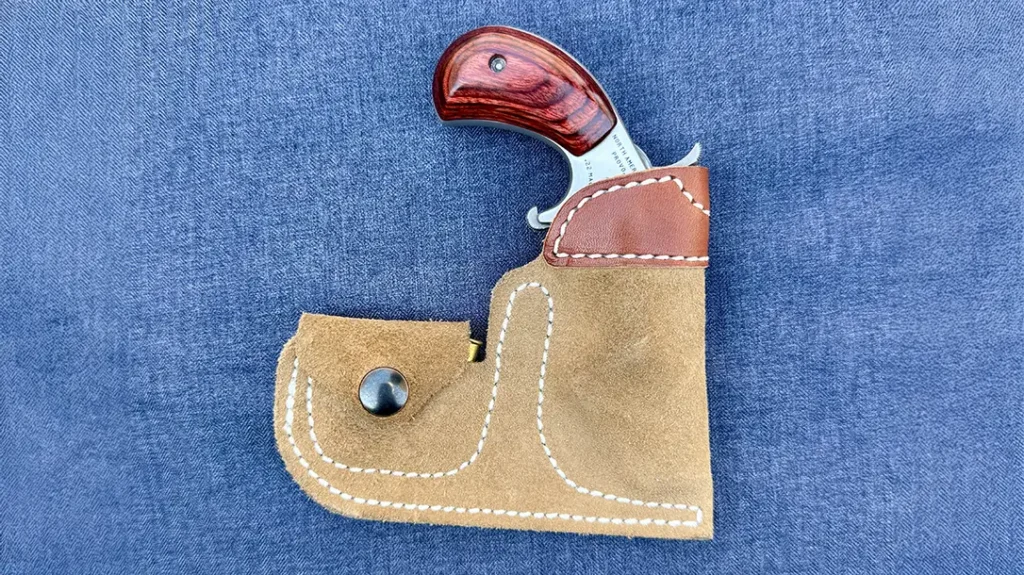
This was a great way to add a firearm to lighter clothes, including going to the gym. Again, what was most important to me with this choice was concealment. I carried a couple of very small, low-capacity firearms in pocket holsters.
There was some psychological discomfort as I was always somewhat aware of the firearm and its potential to fall out of my pocket. I also had to train consistently to present the firearm without pulling the holster out of the pocket with it.
Ankle/Calf Holster
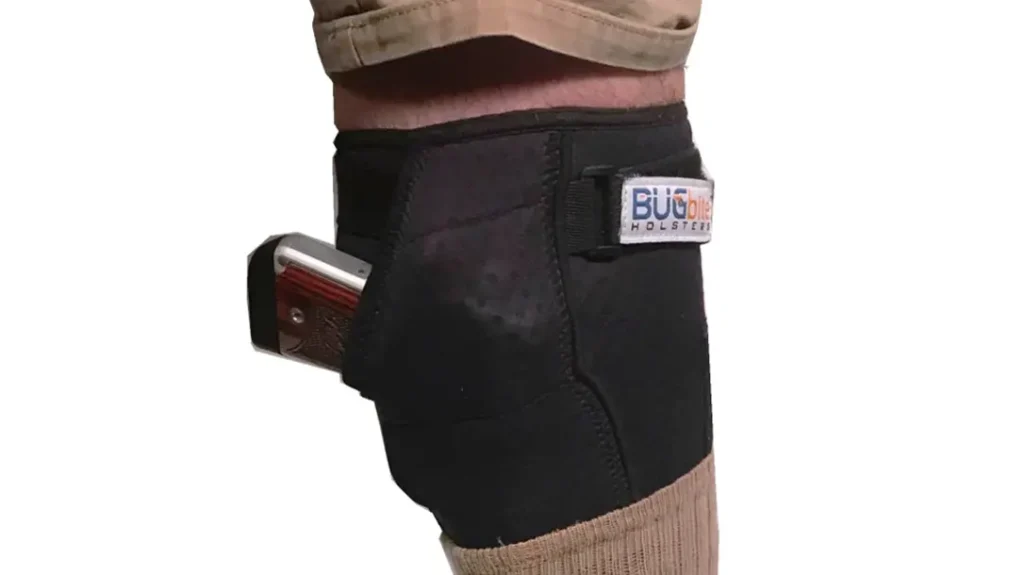
I still use this technique to this day when needing to focus on concealment or carry a secondary firearm. I originally used a traditional ankle carry. However, these seemed less comfortable, and I transitioned to an easy-to-slip-on calf holster with a smaller firearm. Though not quickly accessible, this option provided a comfortable way to have some access to a firearm if needed.
Final Thoughts on Concealed Carry Off the Waistband
Most people who carry likely use some form of waistband carry. However, I encourage you to rate your own factors to assess whether these methods are right for you. I strongly believe that more citizens legally carrying firearms will have a positive impact on our society.
If you don’t carry because the method suggested to you does not fit your daily life, reassess what is important to you and potentially add daily carrying back into your lifestyle.