Practice and training are two words that get thrown around all the time. Too often, they are seen as synonymous when nothing could be farther from the truth. Some would say it’s just semantics. But knowing the difference determines progression and is critical to learning. In fact, if a trainer, teacher, or instructor does not know the difference, save your time and money and move on to someone who does.
Practice vs Training: What’s the Difference?
The simple answer is that training is cognitive, practice is repetitive. Cross over can happen, but for the most part, you attend training to learn something, you may practice it during training, but the overall goal is to retain (in your brain) something useful. Practice is where you perform what was learned repetitively in order to solidify it.
Advertisement — Continue Reading Below
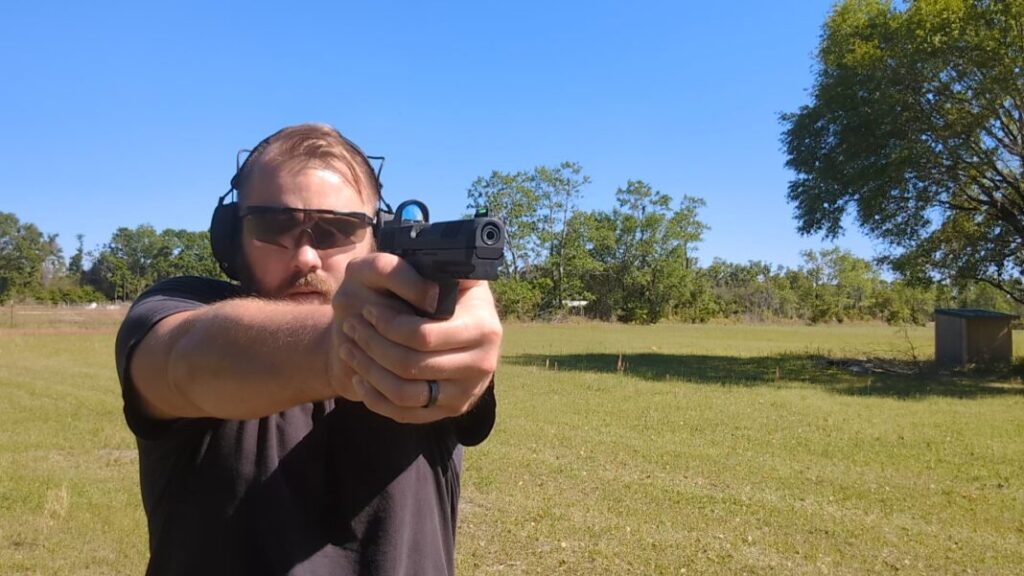
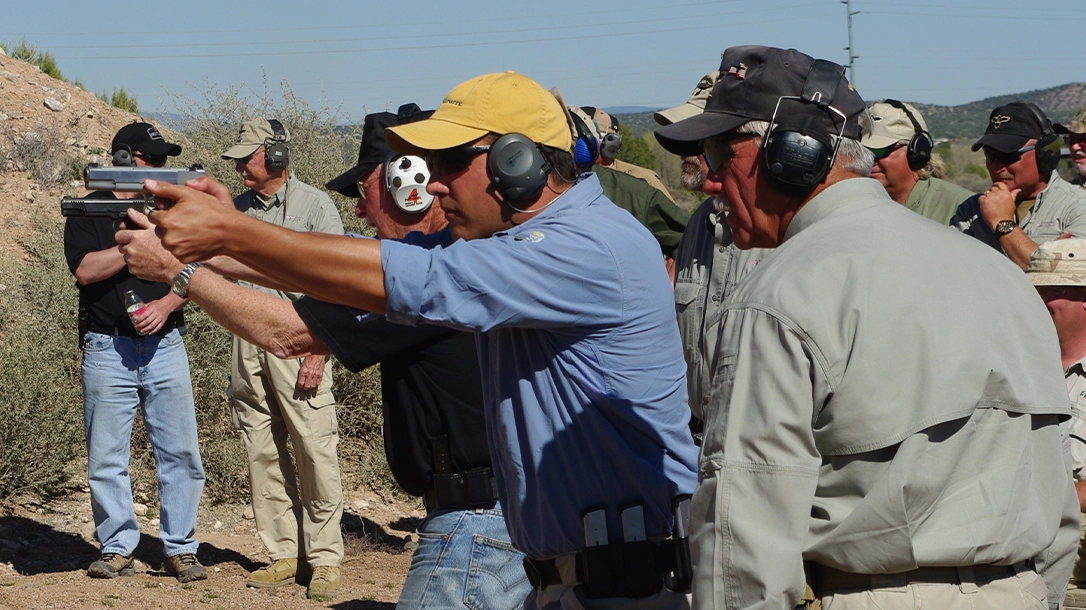
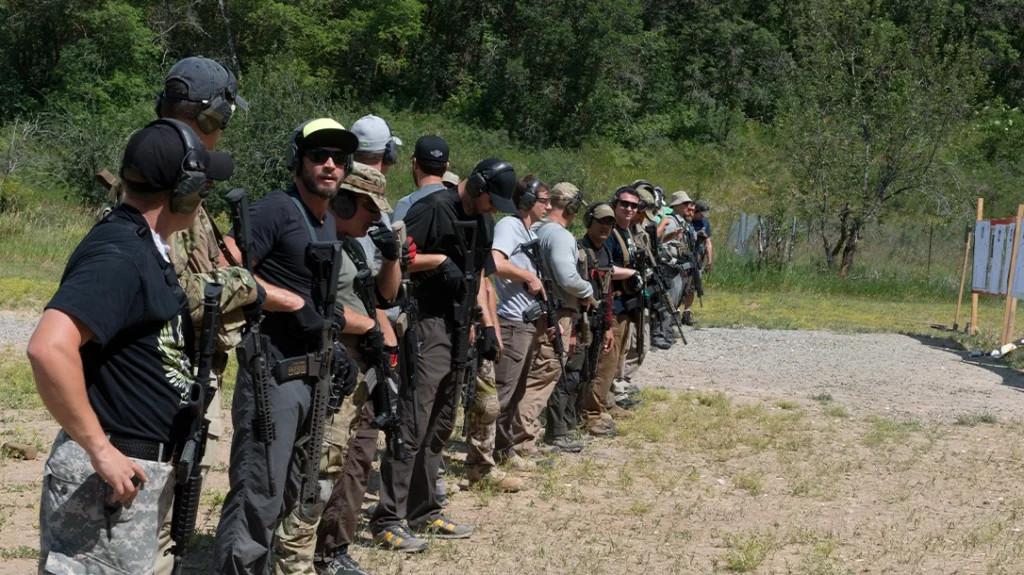
During the Gunsite 250 pistol class, students learn a presentation (drawing the pistol from the holster). While students practice during the class, the focus remains on learning the proper technique. Repetition at home during dry practice or on the range is where you practice that skill. Application is the third phase, which is the subject for an entirely separate article.
Applying the practiced skill determines if changes need to be made. That being said, if you never learn or practice, the application is mostly an act of frustration and failure, not good when that skill was designed to save your life.
So, What is The Problem?
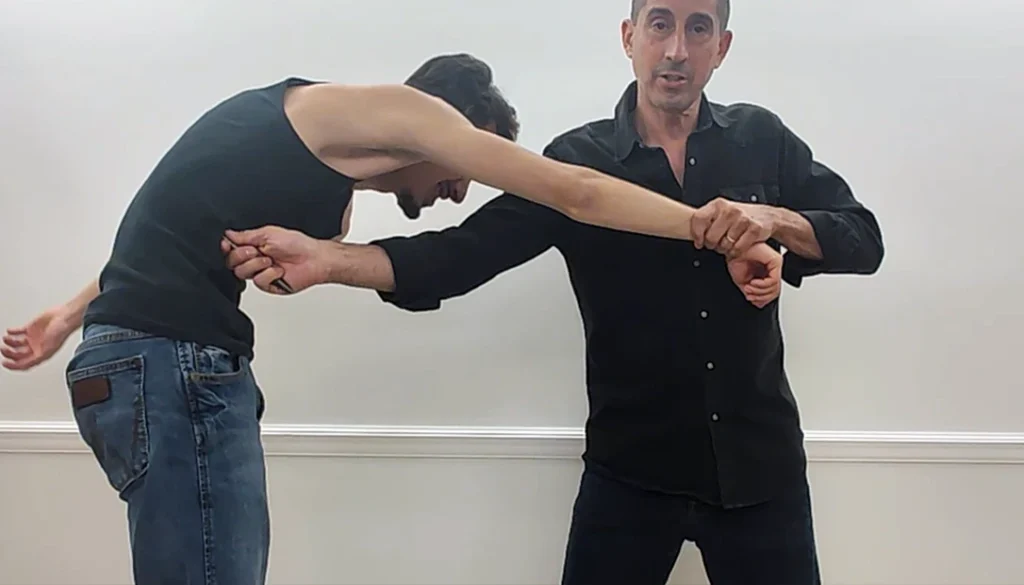
Ignoring the difference between practice and training wastes everyone’s time. One of my frustrations with many students is practicing when they should be learning. Decades ago, one of my martial arts instructors scolded me for spending an entire session practicing what I knew rather than learning. Instruction time is “precious and should be spent learning, practice is your problem, and should be done on your own,” he told me.
Advertisement — Continue Reading Below
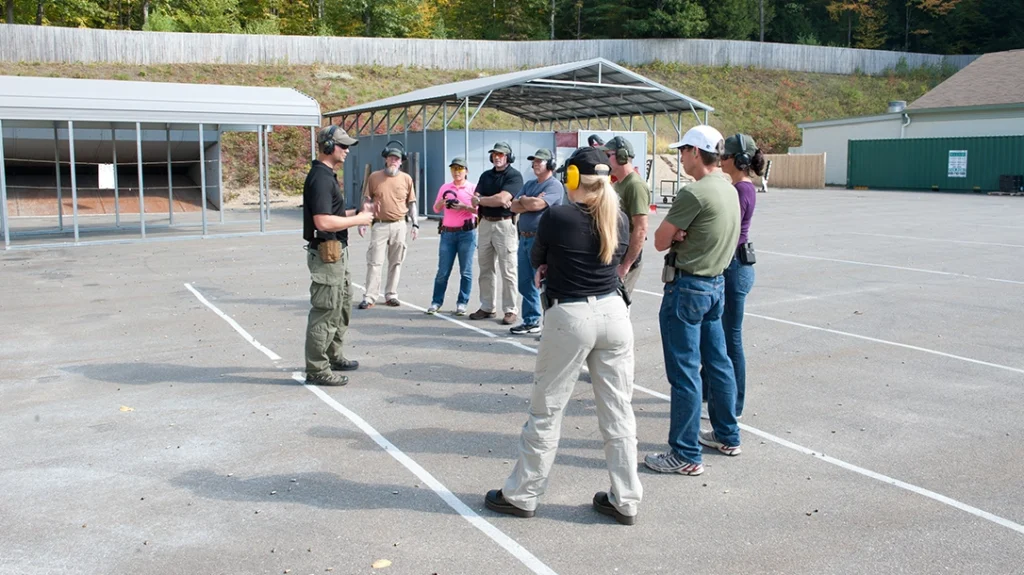
We often have students just practice what they “know” during Gunsite training, while ignoring everything being taught. I see the same thing in my martial arts classes. It seems counterproductive to spend thousands of dollars to train somewhere only to ignore the training. If you just want to practice, spend all that money on ammo and hit the range.
Is Practice Really That Important?
Physical skills, especially those requiring manipulation of something like a firearm, are not, nor have they ever been, instinctive or natural. To quote Clint Smith, “if shooting a pistol were instinctual, you would have been born with one in your hand.”
Advertisement — Continue Reading Below
In fact, nothing about it is either instinctive or natural. It takes practice. And not just a few repetitions during class, but honest, dedicated practice on your own, performing hundreds if not thousands of repetitions. At Gunsite, we have hundreds of return clients, often to the same class. Too often, they return with nearly zero retention of a skill they demonstrated somewhat proficiently prior.
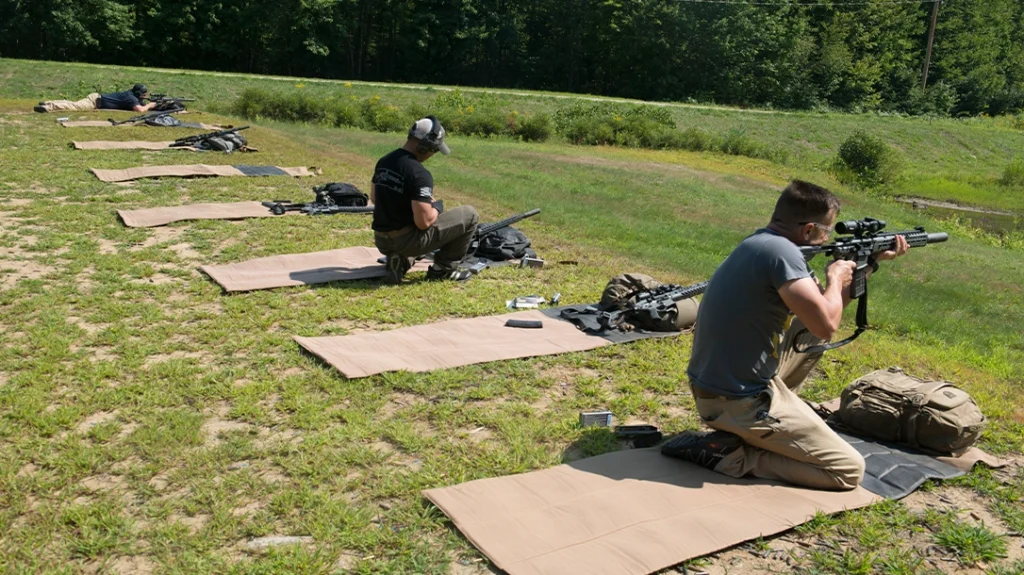
When asked how much they practiced the answer is often never. Last time they picked up a pistol was class a year or more prior. Is there a need to dedicate your life to this skill? Maybe not, but a few minutes here and there would have helped.
Advertisement — Continue Reading Below
More importantly, practice can mean if needed you can actually use what you learned after you leave the class. Honestly, if you are going to take the time to learn something, then just a little dedicated practice will help you retain it. The more practice, the better.
Practice vs Training: Bottom Line
Piling up learning with no application or practice may prepare you for some things, but skill with a firearm is not one of them. It is the perfect example of an academic, someone who knows everything on paper but can’t do anything.
Advertisement — Continue Reading Below
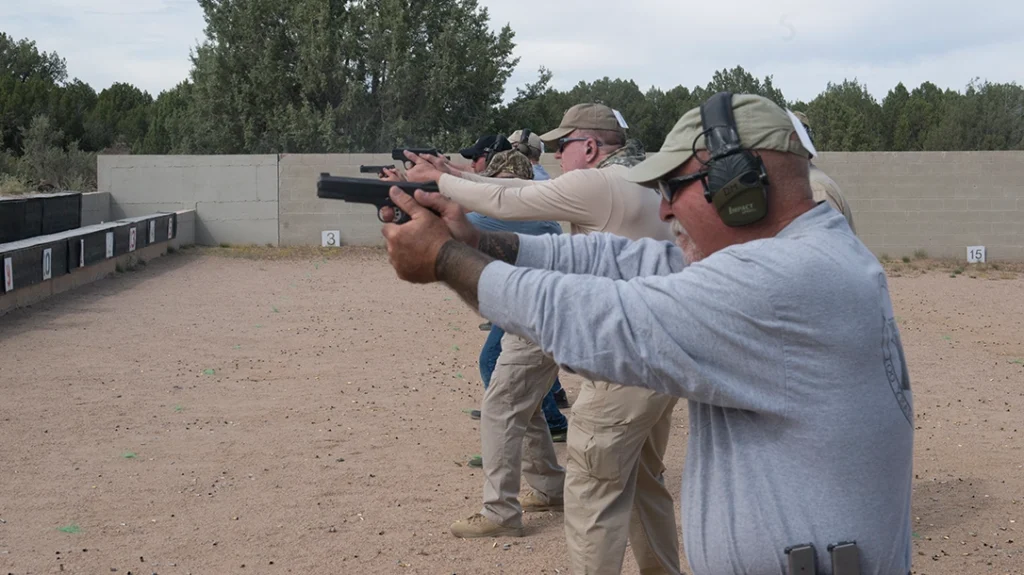
Skills preparing you for self-defense (armed or not) are purely academic without practice. Practice is what prepares you for application. Application determines the need for more training and practice. Training is where you learn things while focusing on what is applicable to that task.
Practice builds that skill to a useful level where it can be applied if needed. There is a purpose to both.
There is an old Zen saying, “when walking walk, when eating eat.” It emphasizes the need to know what you are doing and focus on that thing. Basically, “when training, train, when practicing practice.” It just may save your ass someday!
Advertisement — Continue Reading Below
WHY OUR ARTICLES/REVIEWS DO NOT HAVE AFFILIATE LINKS
Affiliate links create a financial incentive for writers to promote certain products, which can lead to biased recommendations. This blurs the line between genuine advice and marketing, reducing trust in the content.