It’s an age-old question but one that seems especially pressing in today’s world. Should my child learn self-defense, and when? How young is too young?
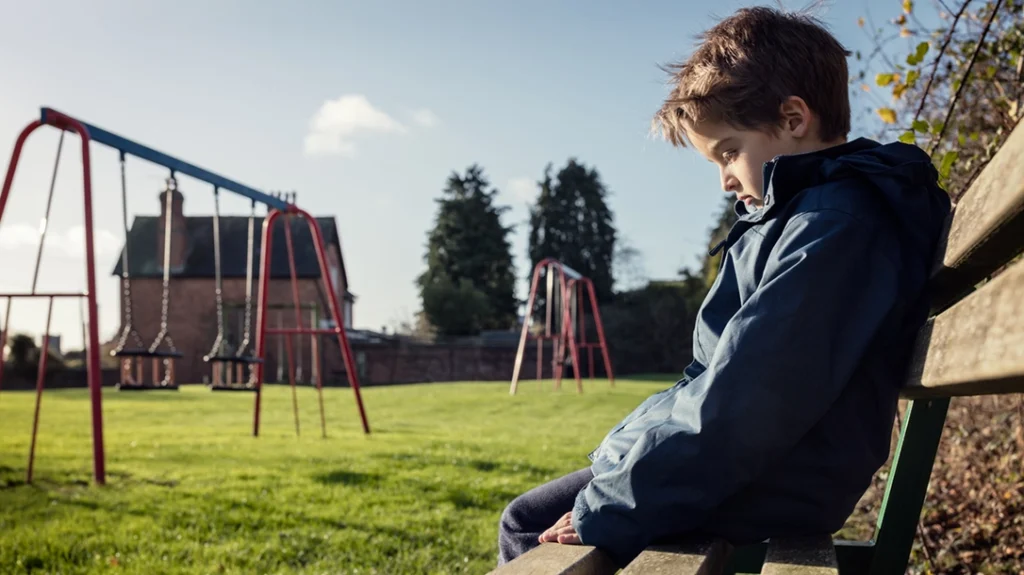
In reality, the question probably occurs before most parents have explored the issue. It might happen while listening to their child talk about a bullying incident at school, or watching their child freeze when confronted by another kid on the playground.
Advertisement — Continue Reading Below
It’s a complicated topic because self-defense for children sits at the intersection of safety, maturity, psychology, and parenting philosophy. Some people believe teaching kids any form of fighting too early encourages aggression. Others argue that in today’s world, waiting too long leaves children vulnerable.
Most experts agree that children can begin learning age-appropriate self-defense concepts surprisingly early. That doesn’t mean handing a six-year-old boxing gloves and telling them to throw punches. Self-defense for children often starts with something much simpler: awareness, confidence, boundaries, and learning how to avoid danger before things ever become physical.
Self-Defense Starts Long Before Fighting
One of the biggest misconceptions about self-defense is that it’s primarily about fighting. The best self-defense programs for children often spend more time teaching avoidance and de-escalation than actual fighting techniques.
Advertisement — Continue Reading Below
Programs geared toward younger children focus heavily on things like:
- Recognizing unsafe situations
- Understanding personal boundaries
- Learning how to say “no” loudly and confidently
- Identifying trusted adults
- Situational awareness
- Escaping grabs or creating distance
- Verbal assertiveness
The American Academy of Pediatrics has emphasized that martial arts and youth self-defense training should prioritize discipline, control, and safety.
Advertisement — Continue Reading Below
So, What Age Is Appropriate?
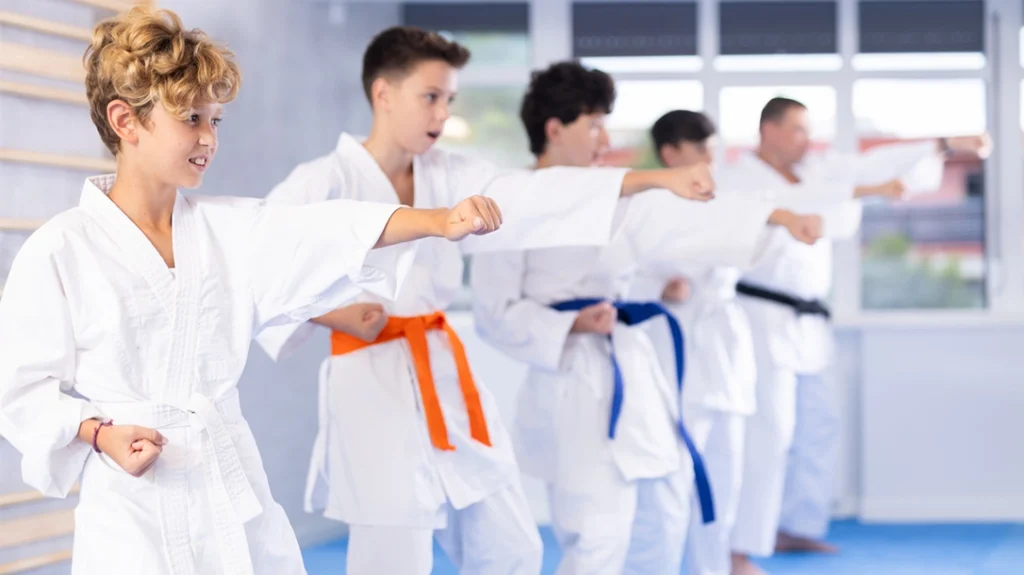
There’s no universal number because maturity varies wildly between children. Still, there are some common trends across martial arts schools and youth self-defense instructors. Many programs begin accepting children around ages 4 to 6. At that age, the focus is rarely combat. Instead, classes revolve around self-control, coordination, listening skills, discipline, and confidence-building.
Around ages 7 to 10, kids generally become capable of understanding more realistic self-defense concepts. They can better process situational awareness, controlled physical techniques, and the idea that force should only be used as a last resort.
By the teenage years, many instructors believe children are mature enough for more serious self-defense systems, including striking arts, grappling, and scenario-based training.
Advertisement — Continue Reading Below
The Bullying Factor
Bullying is often what sparks the self-defense conversation in the first place.
According to the National Center for Education Statistics, roughly one in five students reports being bullied at school. It’s not only physical bullying. It’s intimidation, harassment, and social targeting.
That’s one reason martial arts enrollment for kids has exploded over the last decade.
Advertisement — Continue Reading Below

Parents often report dramatic changes in their children’s confidence after beginning training. In one 2025 ABC News report, parents described seeing “almost immediate improvement” in their child’s self-esteem and ability to stand up for themselves after starting martial arts classes. Confidence matters because predators and bullies frequently target children who appear timid, isolated, or unsure of themselves.
The Wrong Way to Teach Kids Self-Defense
Self-defense should never be about fear, but rather, awareness. Some parents unintentionally project adult fears onto young children, exposing them to frightening scenarios they’re not emotionally prepared to process. This doesn’t help, and it can have a negative effect. For instance, telling a seven-year-old that someone might kidnap them every time they leave the house can create anxiety instead of preparedness.
Advertisement — Continue Reading Below

Also, the physical stuff can wait. Children have growing, developing bodies that can be hurt easily by aggressive maneuvers. Young children should not be subjected to full-contact sparring, head strikes, violent simulations, or adult-level tactical instruction.
What Realistic Self-Defense Looks Like for Kids
The best youth self-defense programs usually emphasize an approach that gets more advanced as kids get older. For younger children, that usually means awareness of surroundings, identifying threats, setting boundaries, how to find help, and escaping. As kids grow older, training may gradually include more complicated or physical skills, such as escaping grabs, basic grappling, defensive striking, de-escalation, and scenario training.
So, How Young Is Too Young?
If the goal is teaching children awareness, confidence, discipline, and basic protective skills, most experts would argue that there really isn’t an age that is too young. It’s more about teaching kids at a level they can comprehend. Kid’s self-defense is about preparing them to navigate the world with confidence, awareness, and the ability to protect themselves, if necessary.
WHY OUR ARTICLES/REVIEWS DO NOT HAVE AFFILIATE LINKS
Affiliate links create a financial incentive for writers to promote certain products, which can lead to biased recommendations. This blurs the line between genuine advice and marketing, reducing trust in the content.