Unless you live under a rock, you have probably seen bits and pieces of the news regarding some ATF changes coming down the road. In standard governmental fashion, these changes are written in terms that are somewhat difficult to digest. Fear not, my friends, here is a breakdown and some highlights of the ATF Landmark Rulemaking Package.
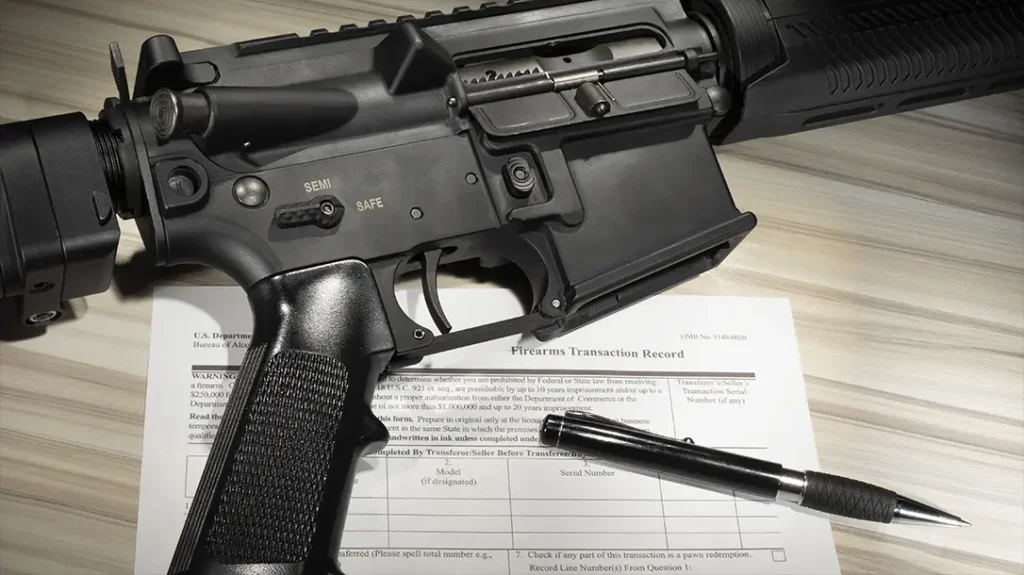
ATF Landmark Rulemaking Package – Major Changes
The Department of Justice and the Bureau of Alcohol, Tobacco, Firearms, and Explosives are releasing this week 34 notices of final and proposed rulemaking. This follows a comprehensive review of existing regulations conducted in accordance with Executive Order 14206, Protecting Second Amendment Rights. The ATF’s goal is to rebuild trust with Federal Firearms and Explosives Licensees. In addition, they want to rebuild trust with industry stakeholders. Moreover, this landmark release is the first in a series of regulatory updates the ATF plans to issue.
Advertisement — Continue Reading Below
The resulting rules are an effort to reduce unnecessary burdens on law-abiding citizens and businesses. At the same time, they are modernizing regulatory frameworks that no longer reflect current law, agency practice, or court precedent. The aim is simpler, clearer regulations that do not compromise ATF’s ability to perform its critical missions. Most importantly, this protects American communities from violent crime.
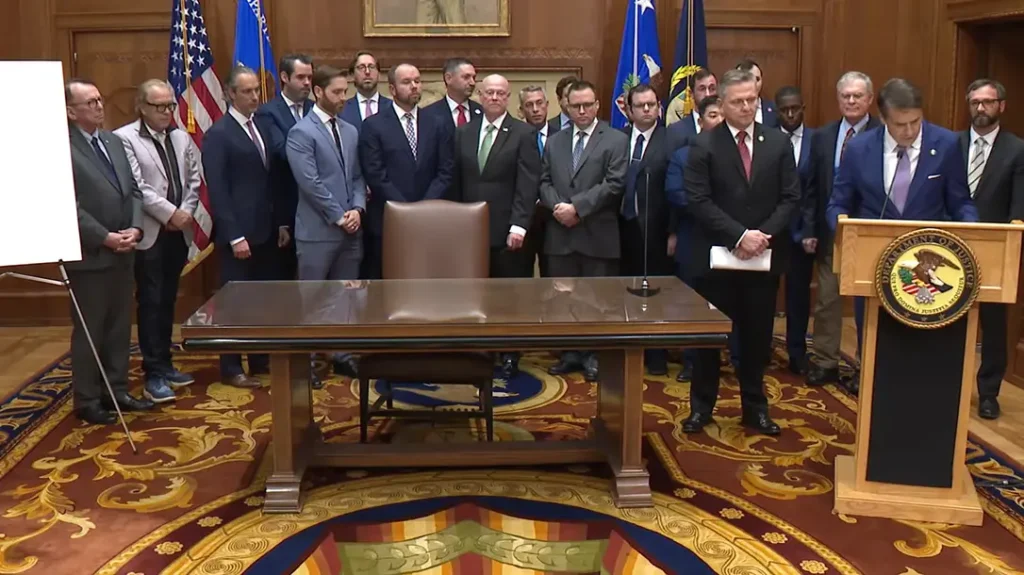
Leading the Charge
“The Second Amendment is not a second-class right,” said U.S. Acting Attorney General Todd Blanche. “This Department of Justice is ending the weaponization of federal authority against law-abiding gun owners. We will continue to vigorously defend their rights as the Constitution demands.”
Advertisement — Continue Reading Below
Robert Cekada, who was recently confirmed by the U.S. Senate as ATF Director, also emphasized the need to protect the rights of law-abiding citizens and businesses. “ATF’s mission is to protect public safety and enforce the law – and these reforms reflect our commitment to doing that through regulations that are clear, legally sound, and narrowly tailored to that purpose.” He added, “Our enforcement focus from here on out is on willful violators and criminal actors, not inadvertent compliance issues by responsible owners and licensees.”
While there are 34 parts to this new package, these are the items I felt were most relevant to the average American gun owner.
NFA Transportation Rules
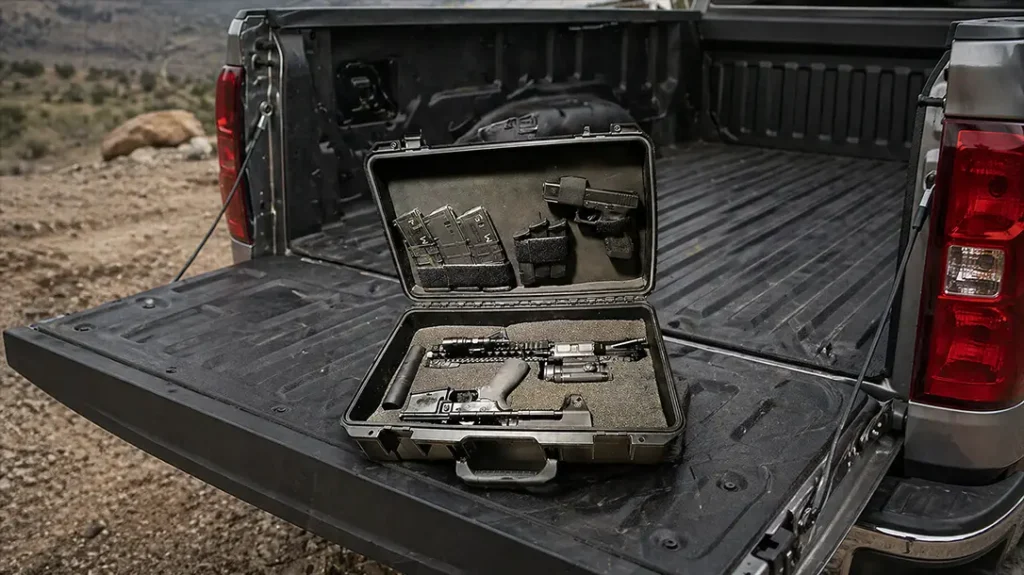
Individuals transporting NFA firearms for short-term purposes (365 days) will no longer need to submit a Form 5320.20 to the ATF. This removes the need for prior approval.
Advertisement — Continue Reading Below
Modernization of Form 4473
Updates to the Firearms Transaction Record to allow more electronic filing, digital signatures, and streamlined identity verification for buyers.
Joint Registration for Spouses under the National Firearms Act
This section will allow married couples to file a joint application as makers and/or transferees of NFA-regulated firearms.
Advertisement — Continue Reading Below
Removing CLEO Notification Under the National Firearms Act
ATF is proposing to remove the requirement for an applicant to forward to the Chief Law Enforcement Officer (CLEO) of his or her locality a copy of their National Firearms Act application to make or transfer a firearm. Additionally, a copy of the Responsible Person Questionnaire required to be completed would not be needed.

Clarifying Interstate Transportation of Firearms
This section would clarify regulations that govern the interstate transportation of firearms by lawful owners. The proposed rule formally recognizes that common, reasonably necessary activities during travel – including overnight stops, vehicle maintenance, refueling, emergency stops, and medical treatments – are considered a necessary part of “transport.” Therefore, they are covered under the Firearms Owners’ Protection Act’s interstate transport protections.
Advertisement — Continue Reading Below

Removing Factoring Criteria for Firearms with Attached “Stabilizing Braces”
ATF is proposing to formally rescind regulatory changes made in 2023 regarding firearms equipped with stabilizing braces. Multiple federal courts have found that the 2023 rule violated the Administrative Procedure Act.
Revising the Machine Gun Definition in Response to the Supreme Court Decision
ATF is removing two sentences from its three regulatory definitions of “machine gun” that previously included bump stocks.
Advertisement — Continue Reading Below

Update to Proscribed Countries for Import Restrictions
This update covers the import restrictions applicable to certain countries under the Arms Export Control Act. The proposed rule would remove the existing, static list of proscribed countries from which ATF denies applications to permanently import defense articles and services. Instead, it would replace this with a dynamic reference to the Department of State’s list of proscribed countries. This ensures ATF’s import restrictions remain current and consistent with State Department designations without requiring separate ATF rulemaking each time the list changes. The rule also proposes to remove the list of former Soviet countries from which ATF currently denies applications to permanently import most firearms and ammunition. However, it would retain only the Russian Federation as a proscribed country of origin for these imports.
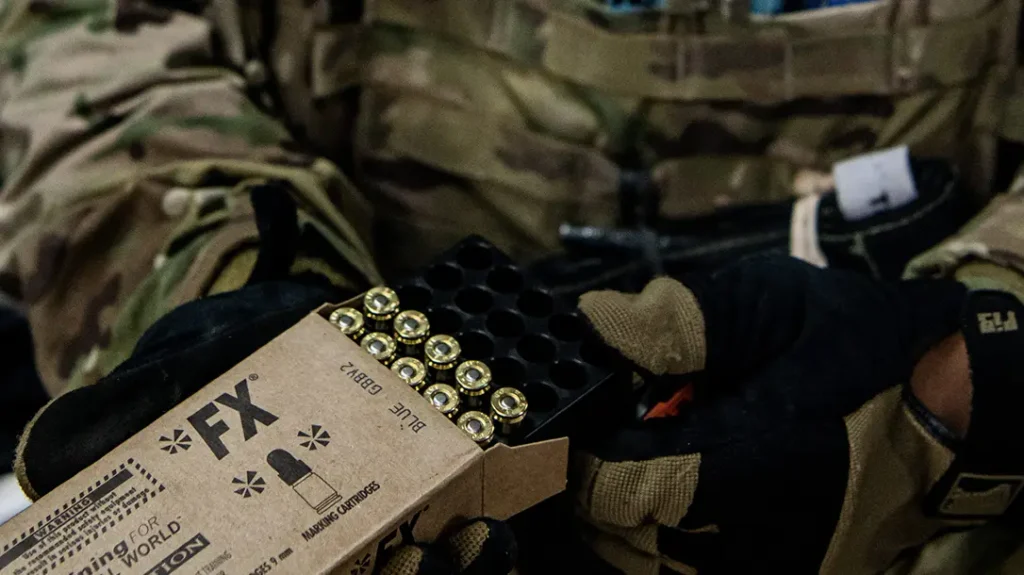
Importing Training Rounds
This section is to clarify in regulation that ”training rounds” — including inert, marking, or simulated-projectile products used for training purposes — do not meet the statutory definition of “ammunition” under the Gun Control Act. Therefore, these items are not regulated under the GCA or the Arms Export Control Act, provided the round is not for a firearm.
For more information, visit ATF.
WHY OUR ARTICLES/REVIEWS DO NOT HAVE AFFILIATE LINKS
Affiliate links create a financial incentive for writers to promote certain products, which can lead to biased recommendations. This blurs the line between genuine advice and marketing, reducing trust in the content.