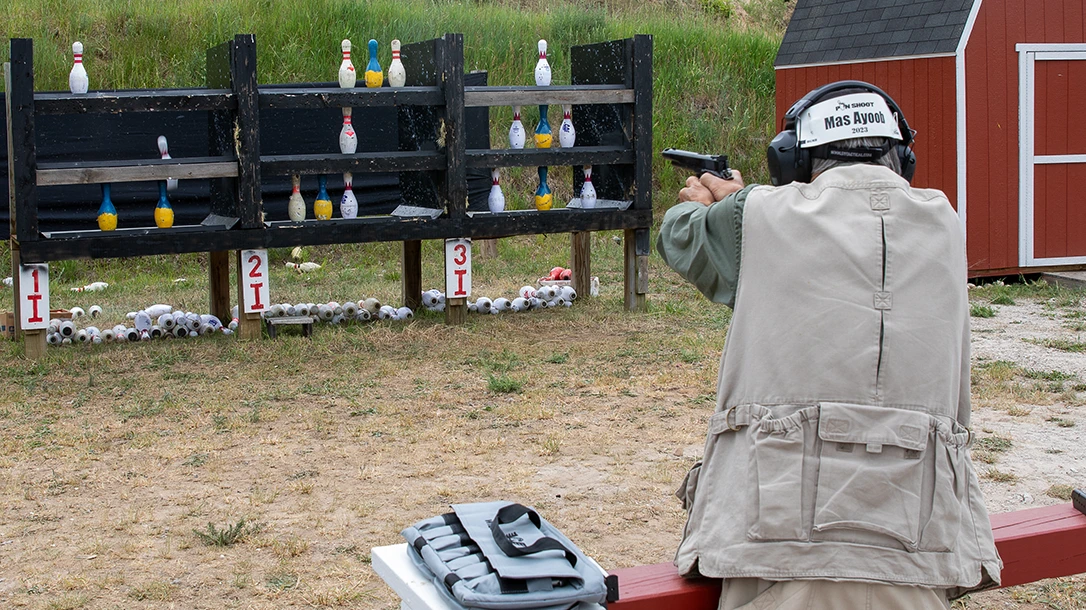
Debates on gun forums can become contentious. If you doubt that, just go on one and post either “shooting competition will get you killed in da streetz” or “shooting matches will save your life in a gunfight.” In either case, have an asbestos suit handy, ‘cause the discussion is gonna get hot. And, as in most such heated debates, the truth is somewhere in the middle.
Pros and Cons of Competition Shooting
Let’s be clear up front: match shooting in and of itself is not a be-all/end-all element in violent encounter survival. One needs to have determined beforehand that they can end a human life if they must to save innocent lives, including their own. Without that, they are likely to hesitate. The statement attributed to British poet and playwright Joseph Addison is often true: “He who hesitates is lost.”
Situational awareness is another key survival factor that isn’t really measured in match shooting.
Advertisement — Continue Reading Below
Another truism is attributed variously to Jeff Cooper and his acolyte Mark Moritz: “The first rule of gunfighting is, ‘have a gun.’” A great many individuals who are into shooting as a competitive sport do not carry guns in daily life. This makes them poor candidates for surviving unexpected violent armed attacks.
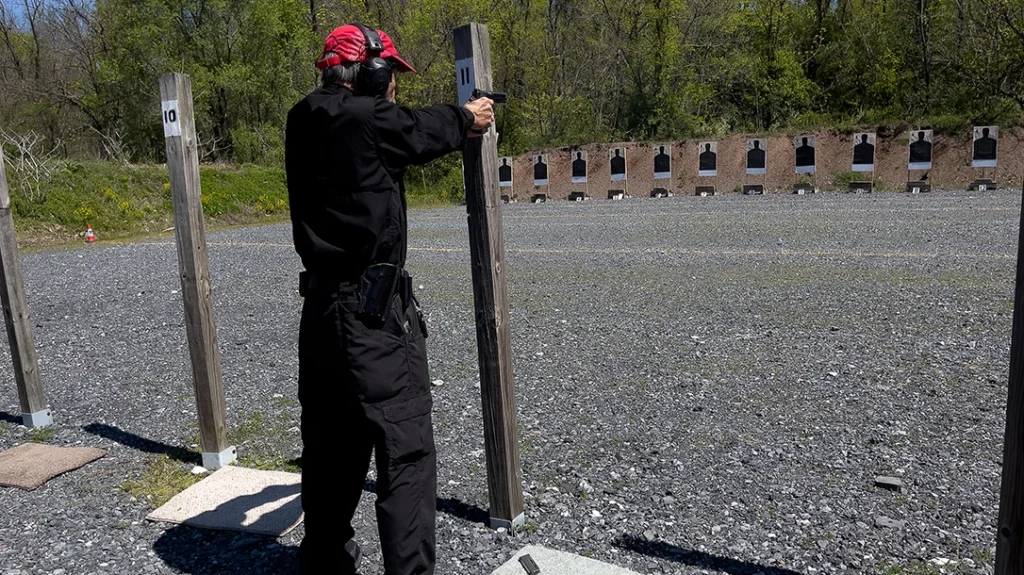
With that in mind, let’s focus on readers serious about self-defense. The competitive shooters long ago divided themselves into two camps. Those who were in it primarily or at least largely for self-defense skills called themselves “the martial artists” and defined those who were in it just for trophies as “gamesmen.”
Advertisement — Continue Reading Below
Not to be outdone in mutual contempt, the latter referred to the former as “tactical Timmies.” (Hey, I told you it could get hot.)
Meanwhile, outside the circle of the match shooters were those who said: “Shooting matches will create bad habits–’training scars’–that will get you killed in the streets.”
Now that we’ve determined who’s in what corner, let’s look at what comes from matches, and how that experience really plays “on the street.”
Advertisement — Continue Reading Below
A Brief History
Let’s go back in time. Among Old West gunfighters, Wyatt Earp was known to compete in the informal shooting matches in the cow towns.
I can’t find any history of Wild Bill Hickok or John Wesley Hardin shooting matches. However, both at different times in their careers were known to practice something similar: putting on shooting skill demonstrations in front of audiences. In other words, another arena of “shooting under pressure” to test their own skills and motivate them to keep those skills sharp.
Advertisement — Continue Reading Below
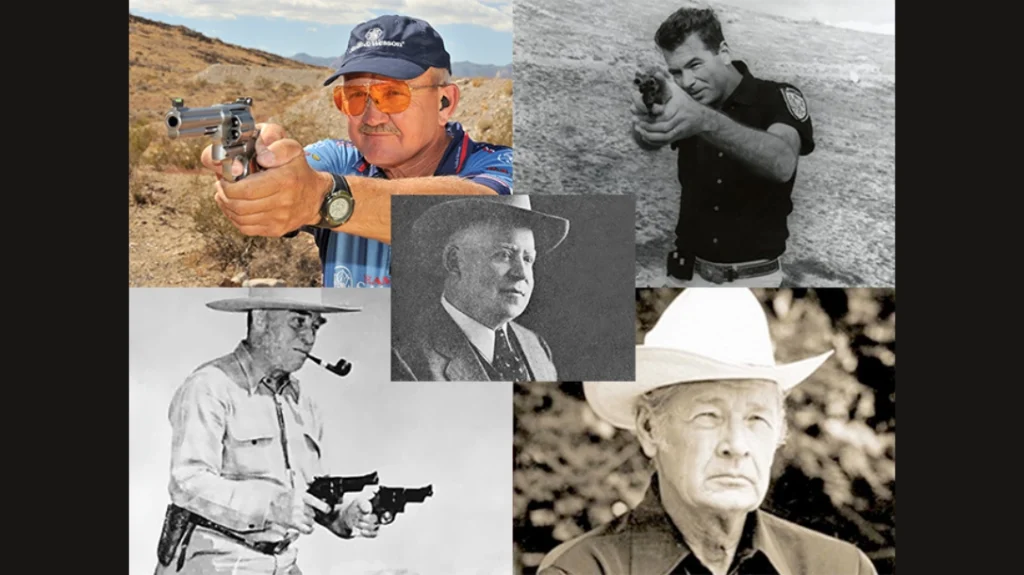
Second quarter 20th Century finds us with men like Delf “Jelly” Bryce. He was the master gunfighter who got his first police job by impressing a high-ranking local cop after winning a pistol match in front of him. I knew Col. Charles Askins, Jr., who won many matches and, in the mid-1930s, won the US National Pistol Championship. Before and since, he killed many men, as both a Border Patrolman and a soldier, most in face-to-face shootouts.
From that same period came competitive pistol champion Walter Walsh. As an FBI agent, he killed one of the Ten Most Wanted up close and personal with his Smith & Wesson .357 Magnum after taking a .45 slug through the chest himself. Likewise, in WWII in the Pacific campaign, he killed an enemy sniper at a witnessed 90 yards with his .45 pistol.
Police Revolver Matches
Later in the Twentieth Century were lawmen like the Border Patrol’s Elmer Hilden. He won the National Police Revolver Championship multiple times and was said to have won nine gunfights.
Advertisement — Continue Reading Below
In Ohio, there was Kerry Hile. He had won the same title several times before the day came when he had to go against a gunman some 35 yards away who was shooting at police. Hile quickly, coolly rolled the double-action trigger of his issue S&W Model 64 service revolver. The would-be cop-killer fell dead with four .38 Special holes in his chest.
One day in the early 1970s, I was a rookie cop shooting a police revolver match in Rhode Island and found myself next to a solidly built guy with a New York accent. Shooters scored each other’s targets, and when I saw the ragged hole in the center of his I said, “Great shooting, Mister, uh…” (I glanced at the name on his scorecard) “…Mr. Cirillo.”
A Lasting Friendship Forged from Competition
That was the start of a long friendship with Jim Cirillo, the most famous member of the NYPD Stakeout Squad. They were a band of highly skilled urban gunfighters who filled a good-sized graveyard with the bodies of armed robbers who would rather shoot cops than surrender.
Advertisement — Continue Reading Below
Before his first and most famous gunfight – three bad guys dropped in three seconds, one at 25 yards, with Jim shooting a four-inch S&W Model 10 .38 – Jimmy had been winning major shooting championships in PPC events.
The only man on the unit who shot more bad guys than Jim was his frequent partner, Bill Allard. He was a bullseye shooting master who later won a national championship. Jim died just before we started doing podcasts, but my interview with Bill is still available on YouTube.
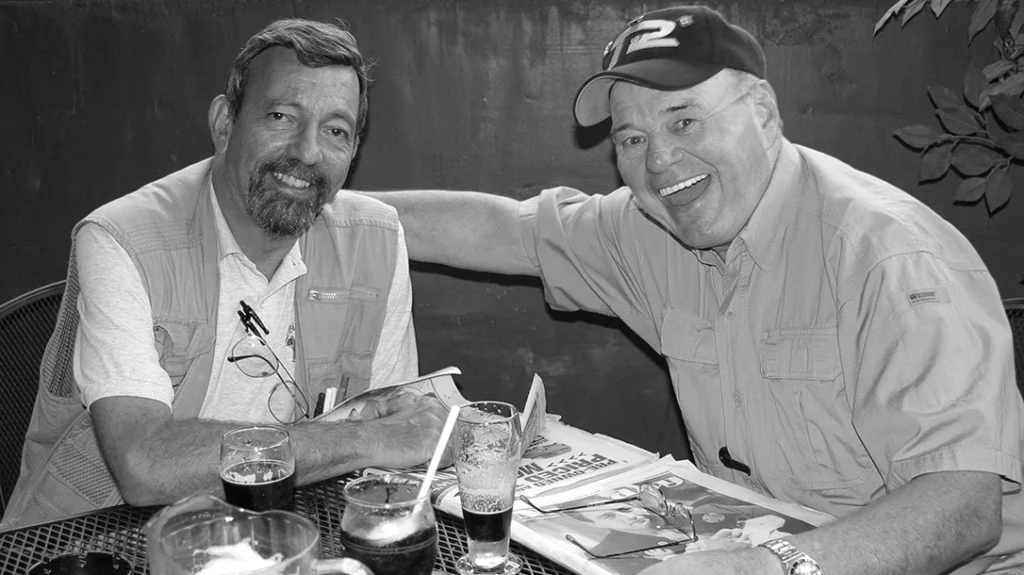
Both Bill and Jim were emphatic that their experience in shooting under pressure in matches had become the norm and carried through into their gunfights. It let them put the shooting part on “auto pilot” and focus their conscious minds on the major decision: shoot or not.
Cirillo and Allard made it well into the 21st Century before they passed. To the end of their days, each shared their knowledge with other good people who went in harm’s way.
Competition Builds Competence
Another such man was Walt Rauch. He served in the US Secret Service and on the Philadelphia PD Warrant Squad. During that time, he faced multiple violent criminals across the gun and always came out unscathed.
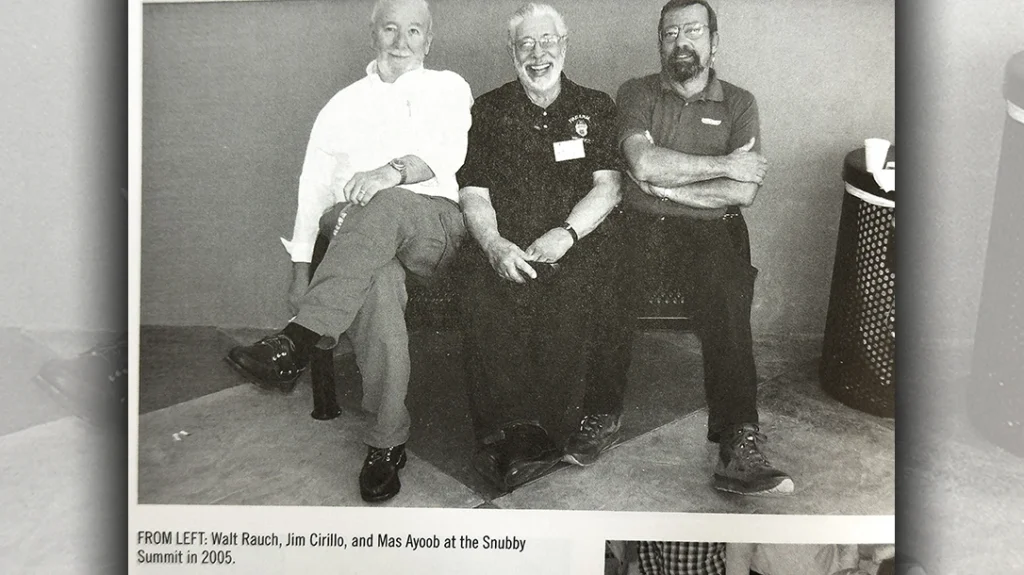
Walt was extremely active with the International Practical Shooting Confederation and US Practical Shooting Confederation. Likewise, he had a piece of the action in founding the International Defensive Pistol Association. He was also one of the three prime movers in the famous National Tactical Invitational event, which combined training with competition.
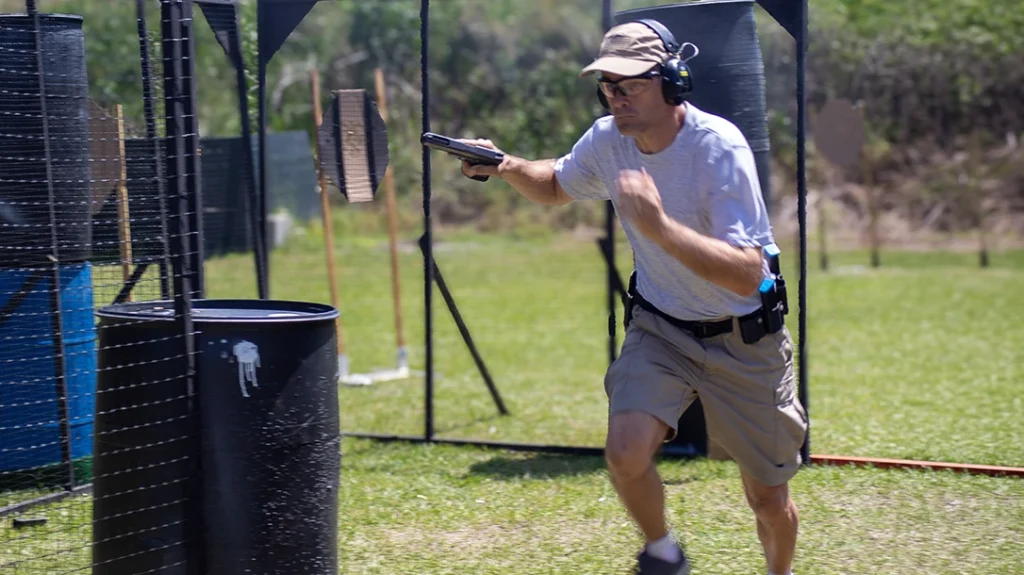
Rauch understood that confidence and competence intertwined, and that confidence born of competition fed into competence in life-or-death situations.
Not long ago, one high-level action shooting competitor was with his beautiful girlfriend in a Nevada parking lot when a whacko with a gun came after the girl. At a considerable distance, the experienced shooter fired a fast burst of 9mm with 100% hits, fatally stopping the threat. After it was ruled a justifiable homicide, the shooter commented that his skills almost made it an unfair fight.
Does anyone see a pattern here?
In the Last Analysis
Critics of competition shooting gravely pronounce, as if they were dispensing profound wisdom, “A shooting match isn’t a gunfight!”
Well, no crap, Sherlock. We all knew that. If a match were a gunfight, none of us would have paid an entry fee to join the fray.
But too many people miss the corollary.
A shooting match is not a gunfight…but a gunfight is a shooting match!
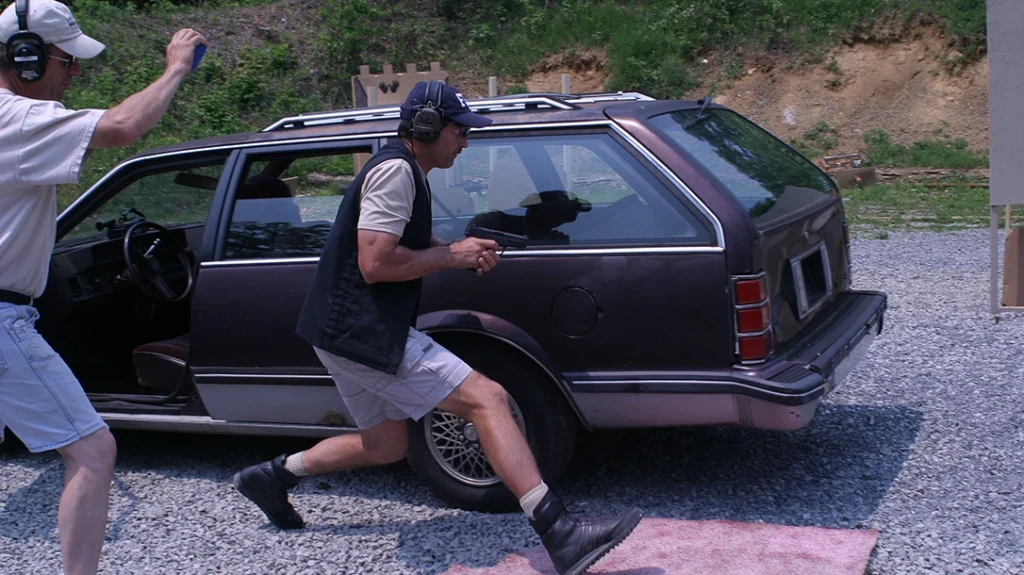
No, competitive experience is not the only factor in surviving a homicidal attack, by any means. But can any thinking person doubt that, assuming all other factors were equal, the person with the most experience in shooting a gun under pressure – and under time constraints, perhaps moving while shooting or firing from behind cover – might just have a very significant advantage?
The choice, of course, is yours. But you won’t really know until you’ve tested yourself running your gun under match pressure and peer pressure…will you?