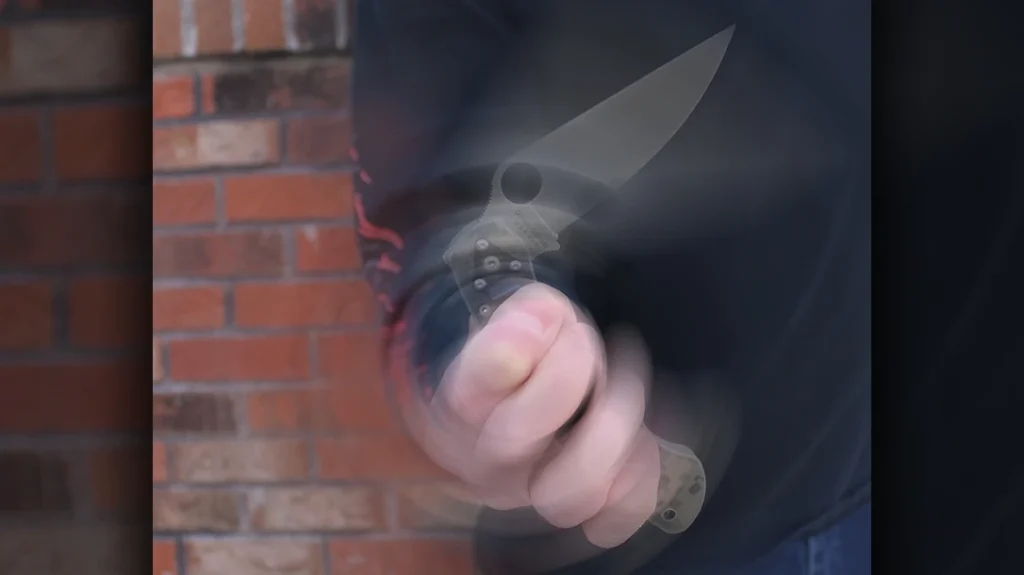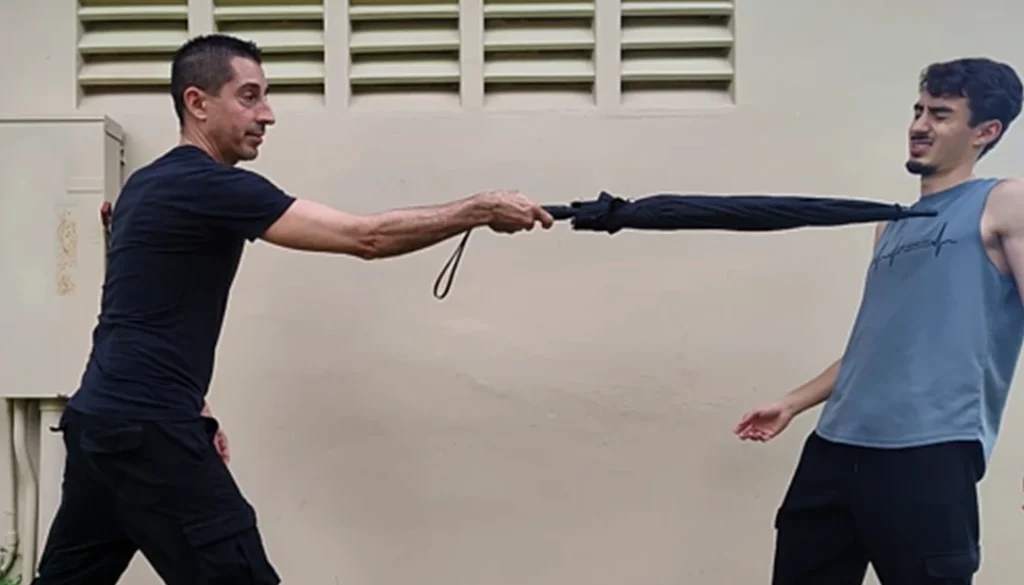
When it comes to self-defense, we all have limitations on the ideal preparation we can achieve. We all must decide on the priorities and demands of our time and resources. Additionally, we need to balance the laws and defensive probabilities of our location. We weigh versatility against likely events and try to come up with a reasonable plan for which tools we want and how much time we want to devote to mastering them. In this article, we will discuss the factors to account for when picking a self-defense gun.
Considerations when Picking a Self-Defense Gun
The ideal may well be a weapon easily accessible for every likely eventuality we have trained extensively for. Demands on our time for training and practice, as well as the financial realities of buying and training with multiple platforms (rifle, shotgun, pistol), may well limit what we can do realistically.
The goal of this article is to discuss the choices we make regarding self-defense and the tools we use.
Advertisement — Continue Reading Below
Probability of Self-Defense
There are many different sources, both pro and anti-gun, that try to estimate the likelihood of defending yourself with a firearm. I have averaged many of these different sources and personally came up with a lifetime estimate of approximately 3% likelihood of defensive use of a firearm for any given individual in the United States.
Obviously, where you live, what you do, and your lifestyle choices may increase or decrease that chance over your lifetime.
What is easier to analyze is where civilians are more likely to use self-defensive firearms. Approximately 80% of all defensive uses of firearms occur within your home (25%) or on your personal property (driveways, garages, sidewalks, etc.: 54%).
Advertisement — Continue Reading Below
This is further supported by looking at data on the types of defensive firearms use. The number one location of defensive shootings is home invasions (20%). This is followed by escalating arguments (13%), romantic partner disputes (11%), and burglaries (7%). Less common are store robberies (9%) and street robberies (5%).
Finally, the average number of shots fired is three, and the average distance of the defensive shooting is three yards. There will always be outliers. But we often spend time focused on self-defense while out and about, with more rounds and at greater distances than the average. However, the data suggests that it is much more likely to occur at or in our homes, with only a few rounds, and at close distances.
Advertisement — Continue Reading Below
Advantages and Disadvantages of Choosing a Single System
The greatest advantage of choosing one system and sticking with it is a reduction in the financial resources needed and the time spent training to competence. One system allows for focused time training on that one system and reduces the economic impact of buying multiple firearms.
Generally, the choice of a single system will be a pistol for those wanting home defense and everyday carry. Similarly, it will likely be a shotgun if just focused on home defense.
For newer shooters, I suggest focusing on becoming intuitively familiar with one system before considering adding additional tools. The goal is competence with that weapon being defensively accurate, safe, and able to do manipulations without having to think through each process.
Advertisement — Continue Reading Below
We want to reduce the amount of time we have to actively think about manipulations in a defensive encounter. If we need to think through how to operate a safety or the steps for clearing a malfunction, these skills will greatly degrade or be absent in a high-stress encounter.
The goal in training is to ‘automate’ these functions through practice until we can do them flawlessly without thinking. The gun goes click, and we perform a malfunction drill without thinking. We draw the gun, and we automatically turn off the external safety as the gun comes onto target.
The Importance of Training
The purpose of training and practice is to make as many of these manipulations nearly automatic reactions that no longer require conscious thought. This frees up our conscious mind to address the bigger situational issues (how we respond, whether we shoot, etc.).
Advertisement — Continue Reading Below
Obviously, it is easier and takes less time to train and practice these skills on a single platform. Compare this with mastering the basic manipulation of a handgun, a different system with a rifle, and yet a third with a shotgun. Small changes in processes can become daunting under pressure if not fully learned.
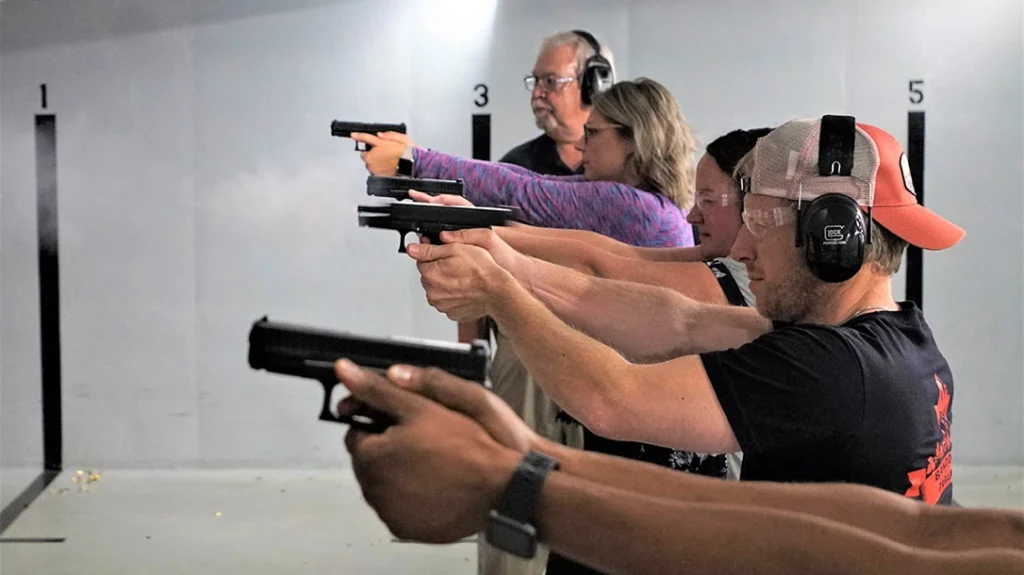
The disadvantage of mastering only one tool is that it may not be the best fit for every situation. A handgun is a very useful tool that is easily concealed and allows self-defense in almost any situation. But there is something to the adage from Col. Jeff Cooper, “A handgun allows you to fight to a rifle.”
Advertisement — Continue Reading Below
The idea is that a handgun is a lesser weapon that we might have more access to. Thus, if we start an encounter with a handgun, but can get to a rifle, we should. Likewise, a shotgun may be a very good choice for a home defense weapon. However, it will not be easily (or in many places legally) used for everyday carry.
Although there are time and resource advantages to a single platform, it comes at a cost of being optimally ready for any situation.
Advantages and Disadvantages of Choosing Multiple Systems
The flip side is to devote yourself to mastering competence with several systems (pistol, rifle, and/or shotgun). This will, of course, take more time to train and practice. However, you will be better able to customize your defensive tool to the situation.
Competently carrying a handgun for self-defense in situations where a long gun is impractical or illegal, paired with better tools for home defense, broadens the situations you can optimally address.
A handgun is ideal for everyday concealed carry. Conversely, a rifle is better suited for longer distances, multiple attackers, or situations needing higher capacity. Finally, a shotgun is politically seen as more acceptable and is an excellent tool for home defense.
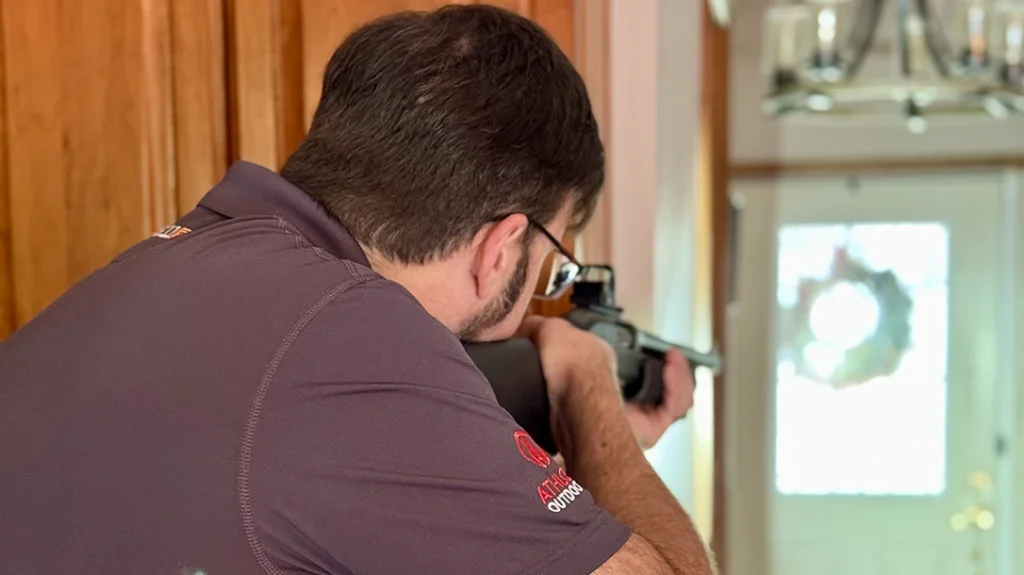
The advantages are greater versatility and access to better tools for a wider array of situations compared to just mastering one system. The disadvantages are the costs of resources (financial) and the time required for training and practice.
In addition to mastering each platform for competence, you also need to think through which tool you would want to use in potential situations. If you only have one option, your plans can become simpler.
Finally, many people add systems to their plans before they have truly mastered their previous system. I regularly teach our shotgun classes, and I have lost count of the number of people who are competent with a handgun but have a shotgun that they rarely practice with for home defense. These same people then make mistakes while operating their shotguns during the class, such as forgetting to turn off the safety, failing to run the action after shooting, etc.
If you decide to build your defensive plans around multiple systems, make sure you understand each system’s manipulations.
Pistols
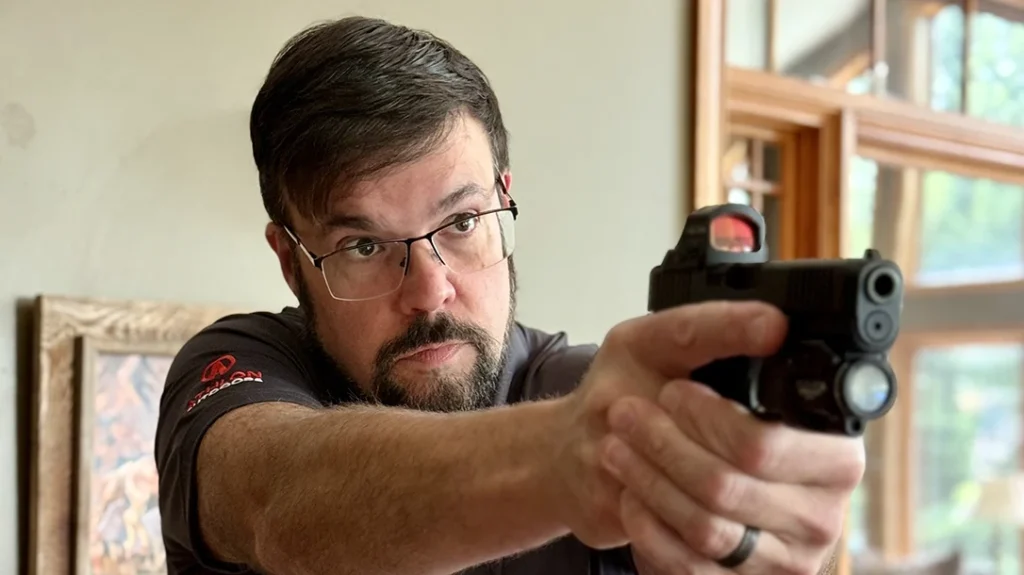
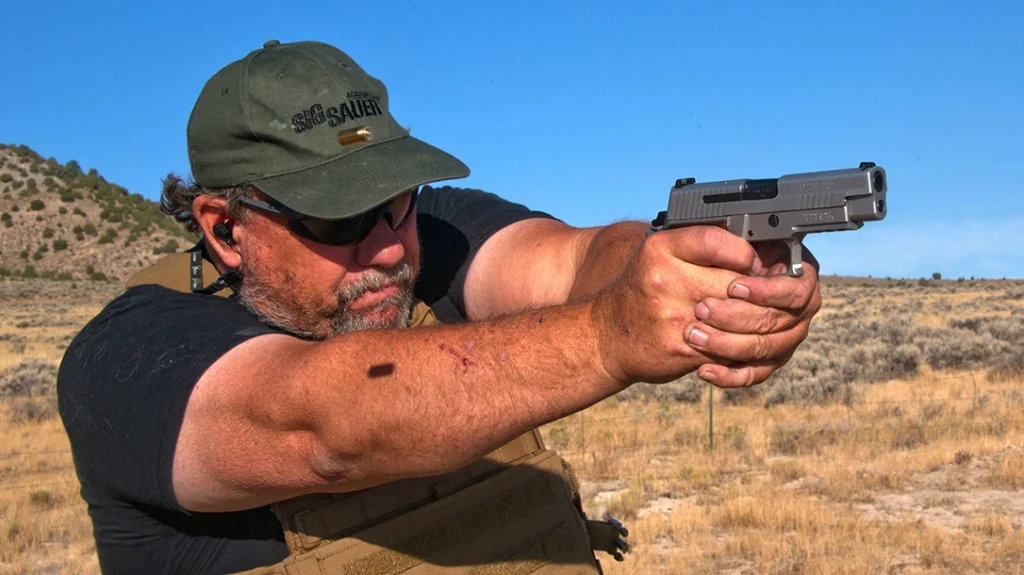
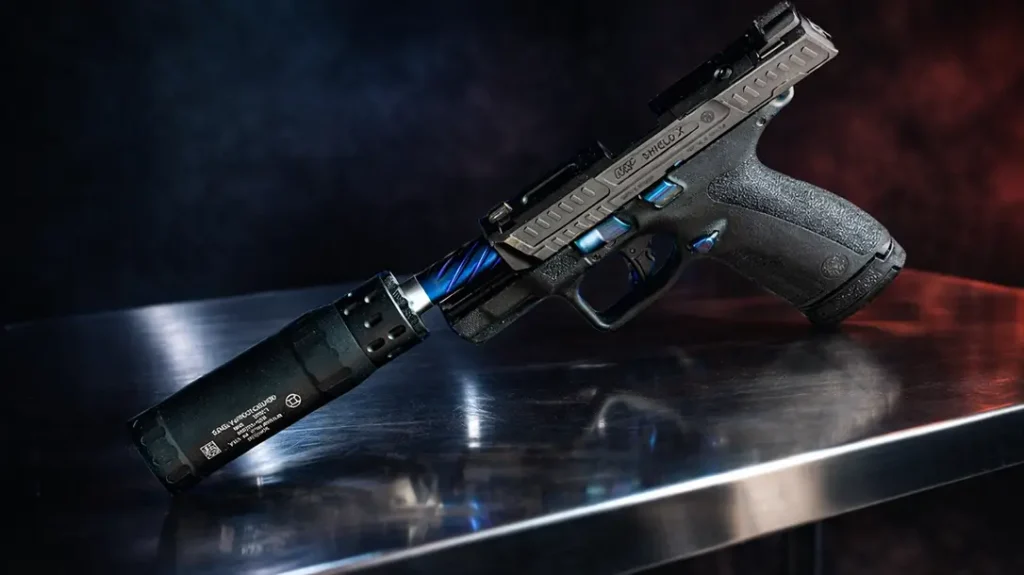
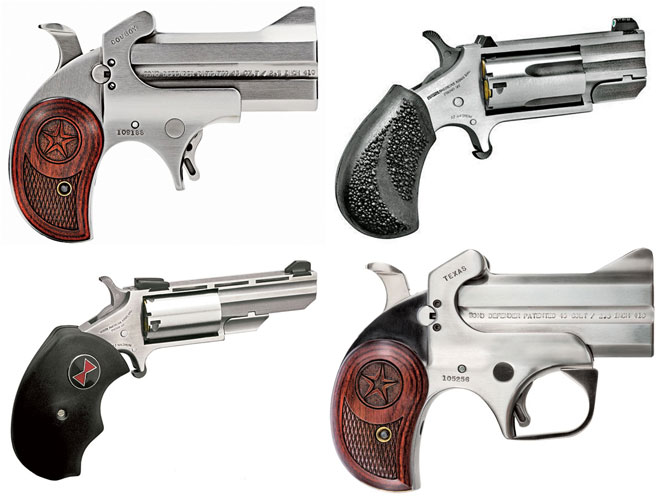
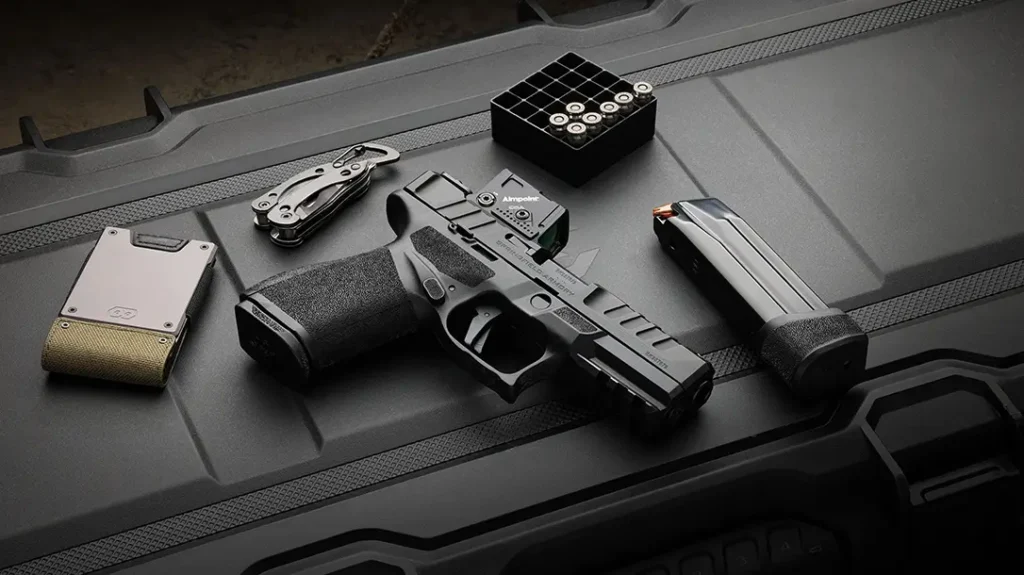
The main advantage of pistols is their concealability. There is a reason that militaries do not fight wars with handguns. They are potentially deadly, but far less likely to kill and maim compared to rifles and shotguns.
As they are concealable, they provide a defensive tool that can be used (if not optimally) in almost any defensive situation outside of truly long-distance shooting. Additionally, the options, optics, capacity, and variety of handguns on the market are truly staggering. Also, many more opportunities to train and practice with handguns make them the default choice for most self-defense situations.
Rifles
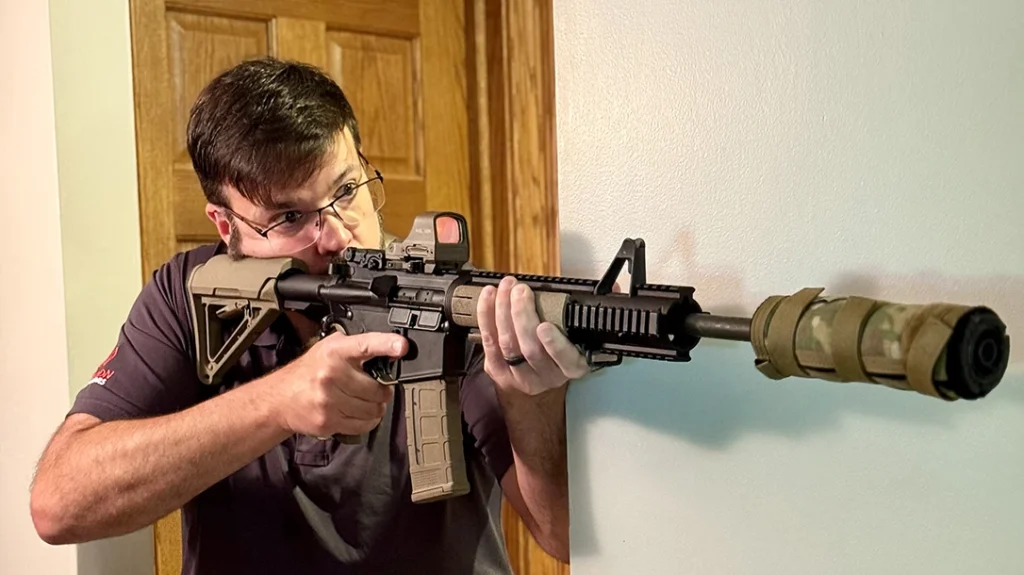
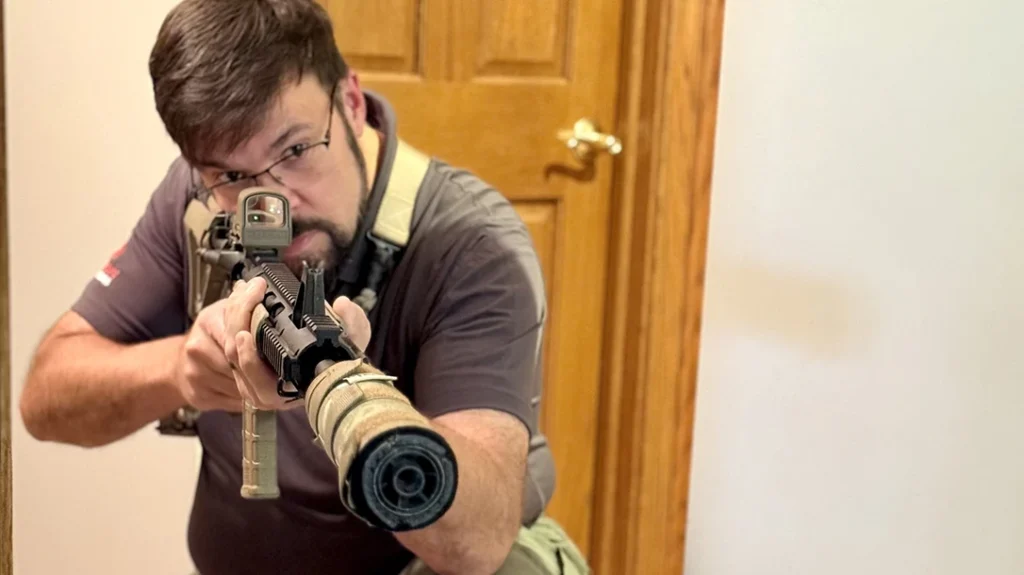
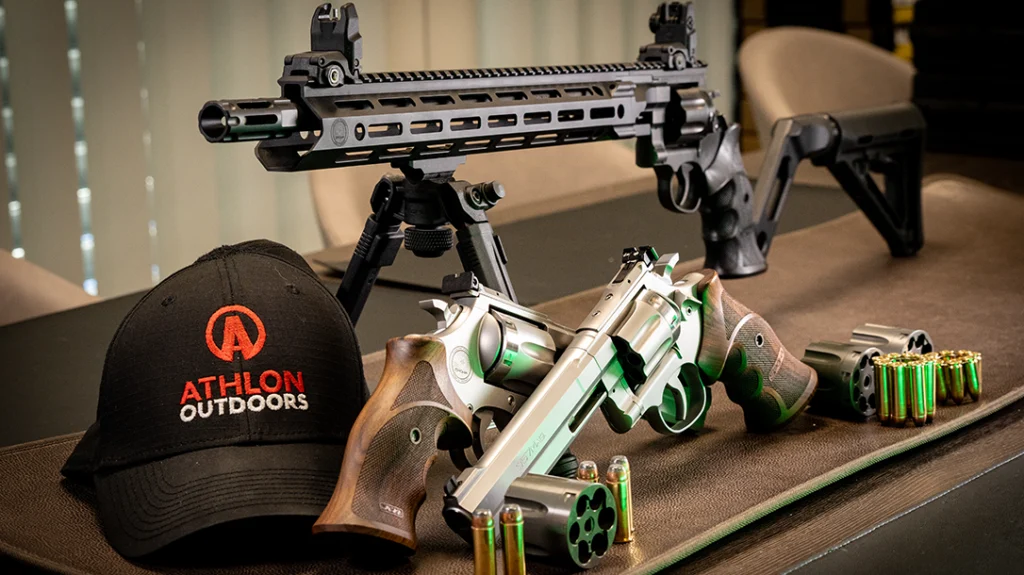
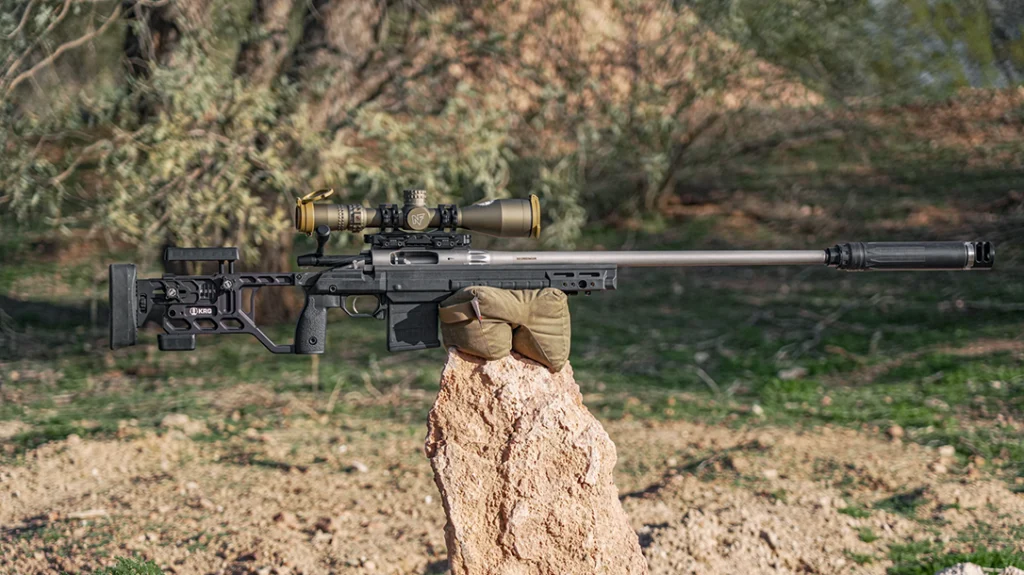
Rifles, especially ones such as the AR-15 chambered in 5.56 NATO, provide an easy-to-use, easy-to-hit, lower-recoiling option for home defense. Likewise, rifles are much more effective at stopping a potential threat while, for most people, being easier to aim and fire accurately than handguns. Rifles also generally hold more rounds than handguns.
Issues of overpenetration in home defense are often cited. However, both 9mm pistol rounds and 5.56 NATO have similar problems in densely packed housing. Regardless of your tool, you want to pre-think your defense plans to include potential overpenetration.
Rifles also offer a longer effective range, though defensive scenarios that exploit this advantage are very limited. Like any long gun, rifles are not easily concealed and are likely not appropriate for many day-to-day situations.
Shotguns
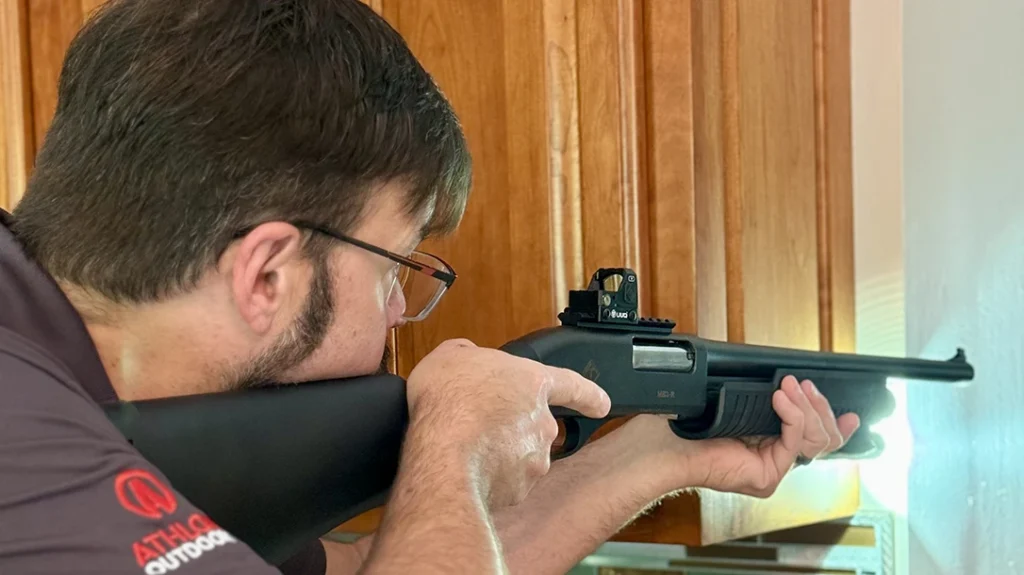
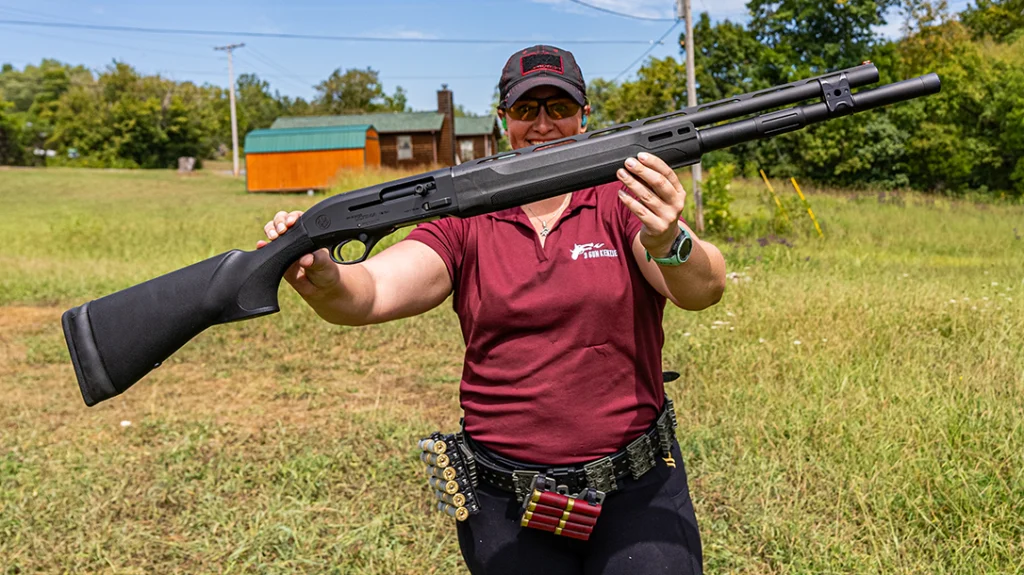
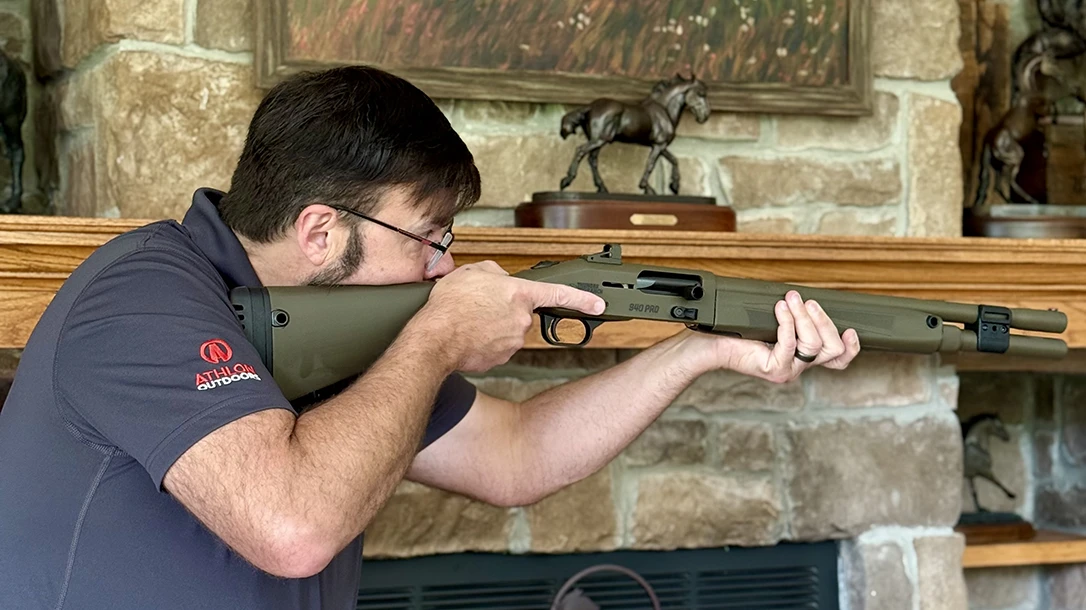
Shotguns are often seen as an acceptable alternative to the rifle for home defense. Though overpenetration remains a concern, the variety of loads a shotgun can use may help mitigate it. Additionally, shotguns have a less negative political aura.
The disadvantages are like those of rifles: both are larger, less easily used in tight spaces, and not easily concealable. Capacity is also a concern, as most shotguns have fewer rounds than a rifle or even most handguns. Finally, most shotgun rounds are considerably louder and harder-recoiling than those from most rifles and pistols.
The Importance of Picking the Right Self-Defense Gun
As in all things, defensive choices are a compromise balancing need, probability, and available resources. What is the right answer for one person and situation may not be right for the next. Additionally, there are two dangers we must confront when making these choices.
The first danger is when we overestimate our own competency, availability to train and practice, and resources. This results in us having more confidence in our tools and our own ability than is deserved.
The second danger is when we substitute competence with having various tools available. We often base our defensive plans more on the tools than on our own skills with them.
Competence with several platforms will greatly increase our readiness for a wide range of defensive scenarios. However, one must balance the likelihood of such scenarios with the time and resources required to be prepared.
I would much rather see people master competence with a single platform that may not be ideal in all situations, than have multiple platforms for any scenario but lack competence in all of them.
Make the choices that are right for you when picking a self-defense gun.