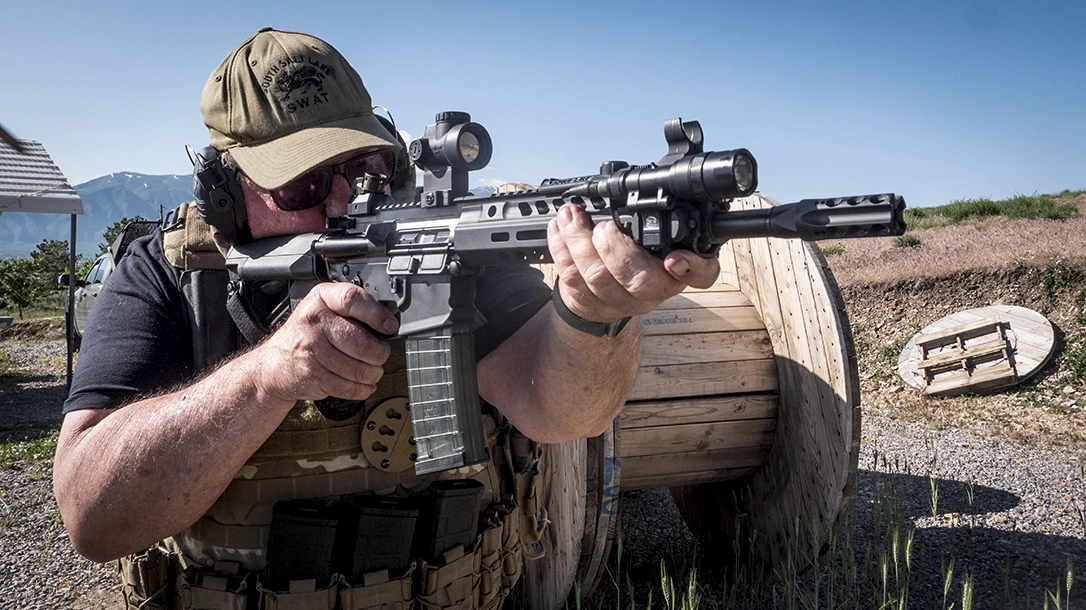
I have attended hundreds of hours of formal training with various weapons systems. So, I have learned a thing or two about preparation for your next gun camp adventure. Whether you are using a proven or new system, there are some important things to work out before you get there. You want to maximize training, which means taking a gun that works, but maybe more importantly, gear that supports it.
The Importance of the Right Gear for Firearm Training
The last thing you want to do is pay someone to watch you struggle because you brought the perfect gun and supported it with junk for gear. It’s incredibly frustrating and a flat-out waste of money and time. These tips will help you maximize your training experience.
Use Quality Gear
You want to train, not struggle with your gear. The best pistol/rifle on the planet is useless if you can’t properly present, holster, or even carry it. Dropping your $2K wonder pistol into a $15.00 nylon holster is a recipe for disaster.
Advertisement — Continue Reading Below
If you cannot safely train, you are likely to be asked to leave. Not only is it dangerous for you, but also for everyone around you. Not to mention the waste of time and money to get there, only to go back empty-handed. If you are going to train, that is fantastic. Just take the time to bring the correct gear to maximize the training experience.
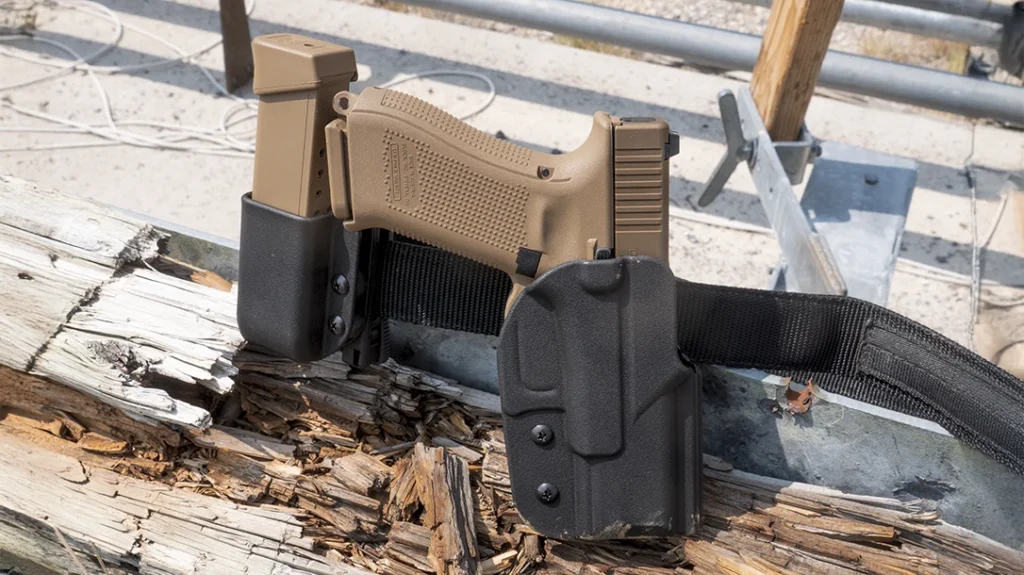
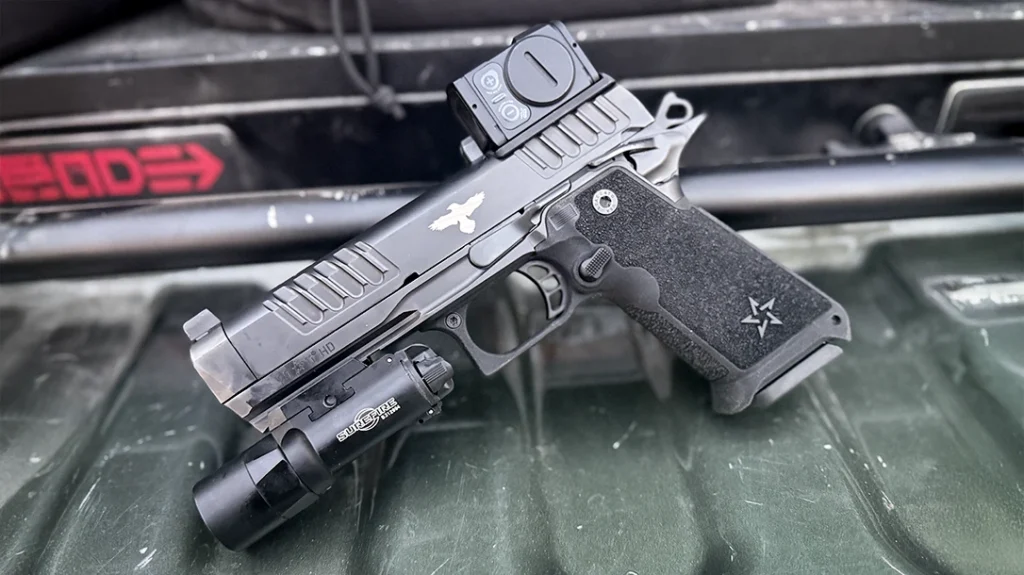
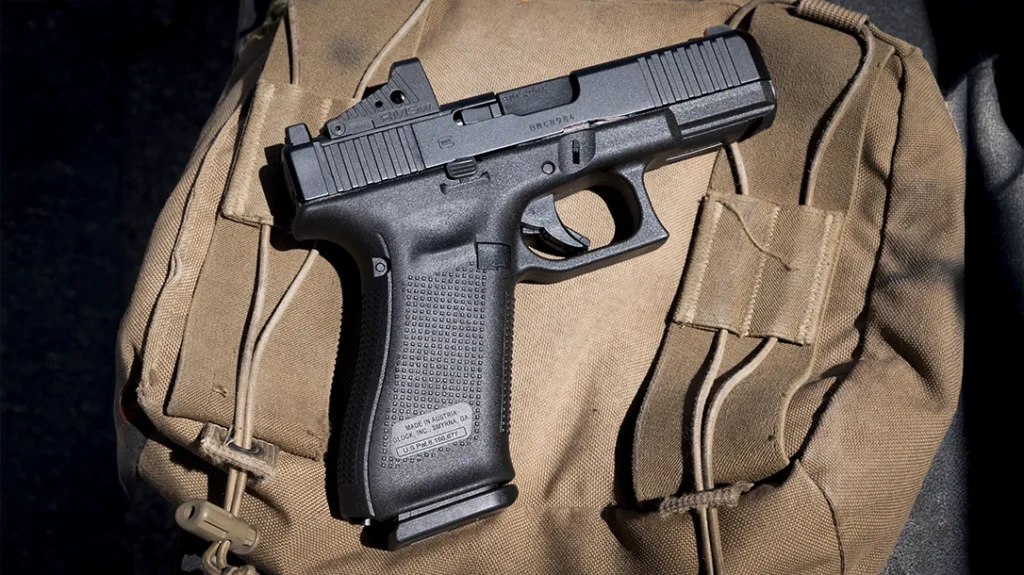
While this is about gear, it is critical to cover the most important things: the gun, ammo, and magazines. Bring a gun that works, magazines that fit, and ammo that works with them. Trying new stuff is fine. However, bring a backup that works when the new one fails.
Advertisement — Continue Reading Below
I see it all the time. The new wonder pistol stops working a half hour into the class. Without a backup, they rent everything at lunch or hit gun stores in the area. Save money and frustration by testing everything at home so your time in training is optimized.
Holster
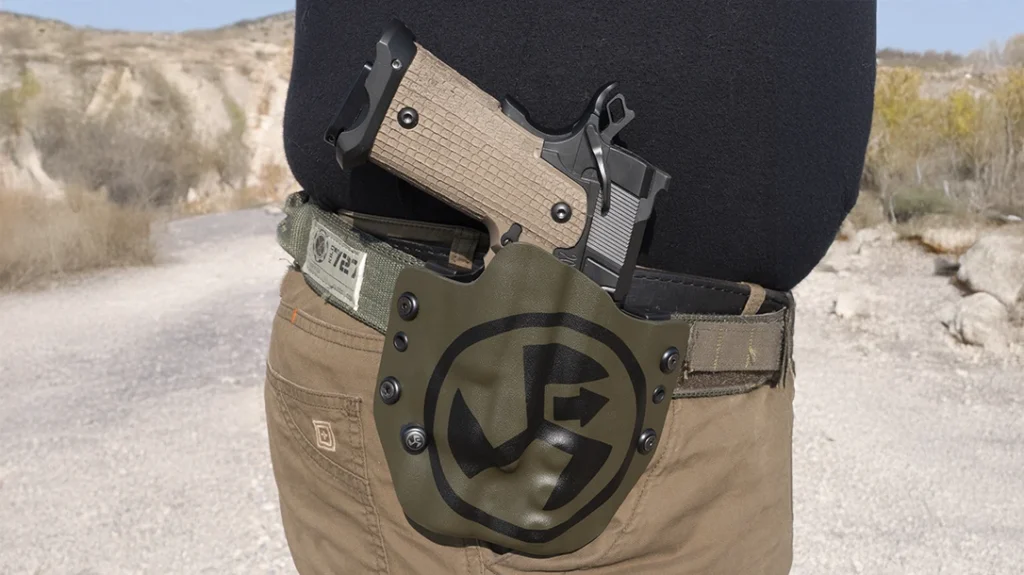
Holsters are the most critical and neglected piece of gear we see during classes. It should be made of quality Kydex or leather and properly fit your gun. Watching your pistol tumbling past you as you move between obstacles or seeing it on the ground as you get up is embarrassing. It’s also dangerous.
Advertisement — Continue Reading Below
One size fits all never does. Use a holster designed for your handgun. If you turn the pistol (unloaded, of course) upside down and it falls out, it is NOT safe. A properly designed holster will retain the pistol when needed while allowing for a smooth presentation. Added retention is kind of your baggage, but it needs to hold the pistol.
Will it be cheap? Probably not. However, it is an absolute necessity, no matter the method of carry. Make sure you test with the holster in place using your preferred method of carry. Don’t assume because it works unattached, it will work either IWB, OWB, or AIWB. When practicing with a duty rig, use what’s issued, as issued, and in the manner that meets your policy.
Belt
Attaching a quality holster to a cheap belt is an exercise in futility. Use one designed for carrying a pistol. Thicker, more rigid, and the proper width to match your holster. This keeps your pistol in place, allowing it to be drawn and inserted safely. An entire industry has grown out of this need, so finding one is not an issue.
Advertisement — Continue Reading Below
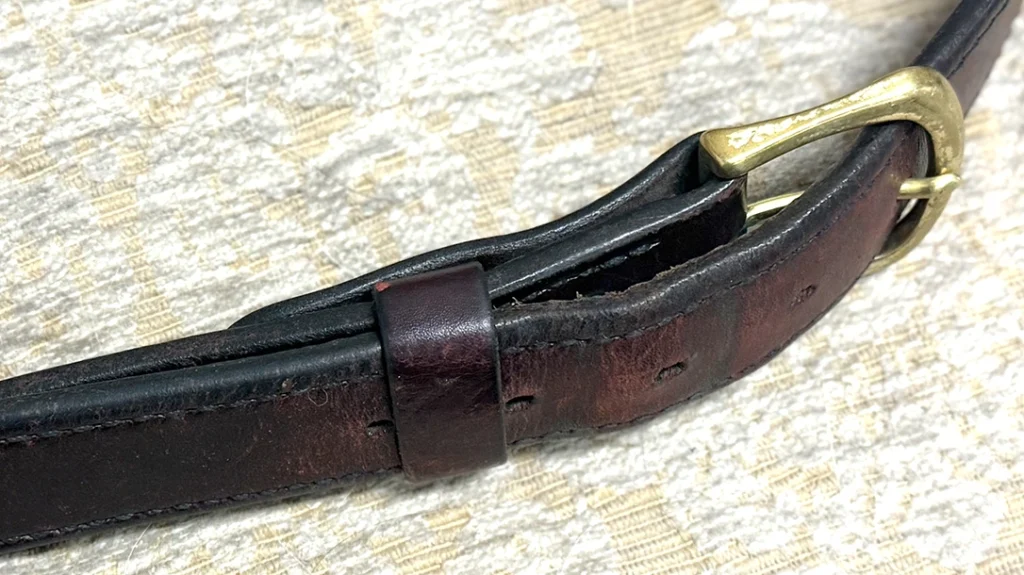
Properly presenting your pistol requires consistency; if it shifts, it can be problematic. Your belt needs to keep your holster in place without shifting while maintaining comfort, if possible. Oh ya, and hold your pants up!
Magazine Pouches
Magazine pouches should match your use. Single, double, or a rack of pouches covering your entire belt. Either way, they should hold your magazines much like the holster holds your pistol. Just keep it real. If you walk around in a chest rig all day, then use it, especially if it’s part of the job.
Advertisement — Continue Reading Below
When playing tactical, have fun. However, remember to practice the way you actually carry in real life on occasion. For most, that’s a pocket, making some method of pocket carry a good idea.
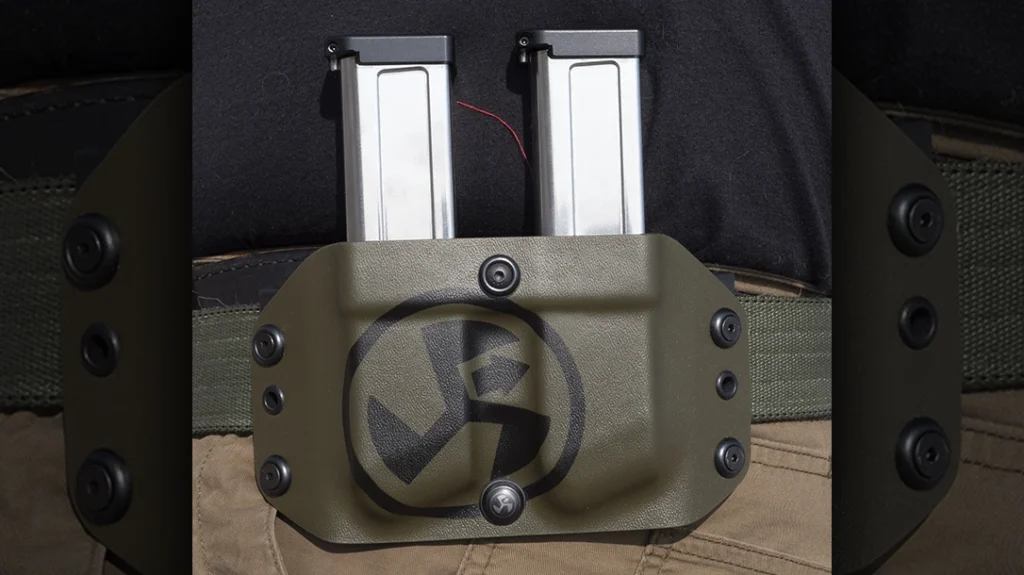
I recommend a high-quality holster that fits your gun, a belt that holds it properly, and a single or double magazine pouch. Having carried that way for decades its real and has taken me through some very high-round classes. Throw some more magazines in your pocket if needed. Specialty classes may require adjustment, but use what you need, keeping excess gear and weight to a minimum.
Advertisement — Continue Reading Below
Everything Else?
Clothing should support your gear; pants (or shorts) should be strong enough to hold your pistol. Pajamas and Yoga pants are not range gear and are not capable of safely carrying a pistol. Wear closed-toe shoes of some sort on the range.
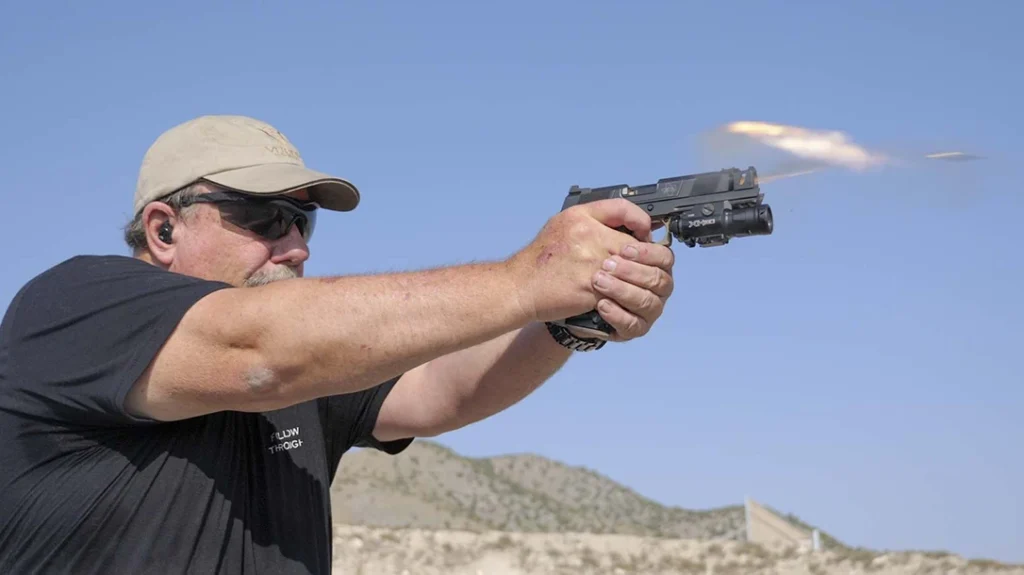
Sweatshirts, jackets, shirts, and the like should be appropriate for the weather, but don’t show up in sweatpants. Hats with a brim are critical to keep brass away. Make sure to have ballistic-rated glasses and the proper hearing protection.
It’s not the gym where fashion is first these days. Dress for safety and comfort. A long-sleeve shirt, jeans, a ball cap, a solid holster, a belt, and minimal gear is all you need and works just fine.
The Right Gear Maximizes Training Efficacy
Proper gear maximizes the effectiveness of training. Safety is enhanced, as is your training experience. Simple classes dictate simple dress with high-quality gear. Learning is limited when struggling with a gun that does not work and/or gear that does not support it. Most places will work this out on day one. It’s the first order of business at a Gunsite class.
Training is fun, modestly frustrating at times, but should be safe. Bringing the right gear makes that possible, so take the time to prepare and enjoy!