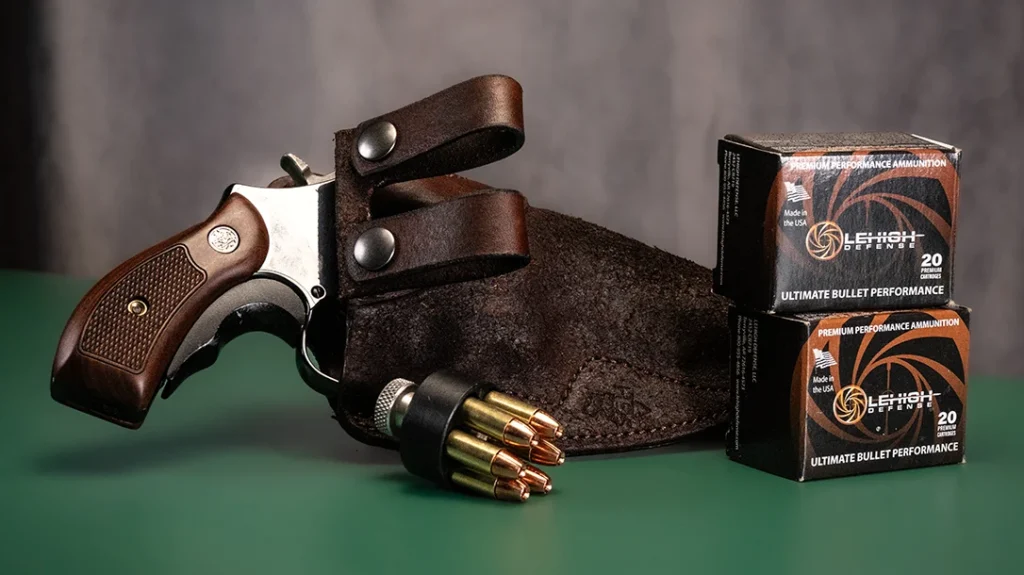
Wheelguns just might be my favorite platform. They’re honest, reliable, and they reward good technique. Whether you’re new to the revolver or have carried one for decades, the “Hiccup Drill” is one of those timeless tools that sharpens more than just your trigger press. So, let’s take an in-depth look at this drill and how it can step up your revolver game.
What is the Revolver Hiccup Drill and How Does it Work?
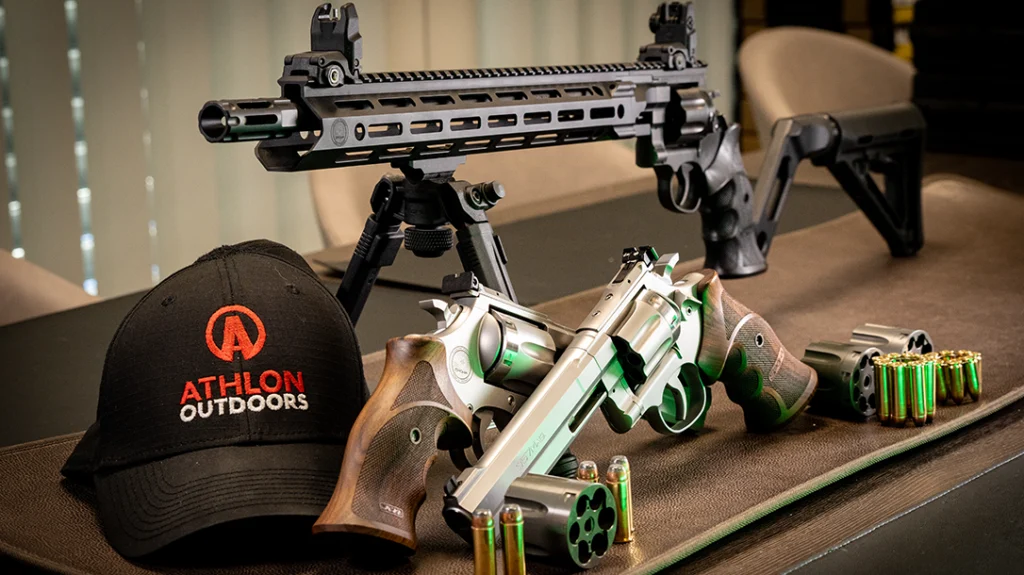
Here’s how it works. Start with your revolver fully loaded. If you’ve got a holster, great. If not, a table or even the seat of a chair will do just fine.
At the start signal, draw the gun (or pick it up safely), and fire two controlled shots on target. From there, open the cylinder and give it a good spin. Don’t look. Close it and lock it up, holster or stage the gun, and repeat.
Advertisement — Continue Reading Below
Each time you run it, you won’t know if your first or second trigger press will produce recoil—or nothing at all. That’s the beauty of it. Sorting out the “Clicks and Bangs.”
The benefits stack up quickly.
First, you’re forced to handle the gun without constantly checking it — that builds confidence and spatial awareness. Second, and most importantly, this drill helps eliminate anticipation flinch. Because you truly don’t know what’s coming next, your body starts to trust the press instead of bracing for recoil. Third, it’s an outstanding way to build draw discipline, if you’re working from concealment.
Advertisement — Continue Reading Below
You’re not just “burning reps.” You’re building deliberate skill, one press at a time.
For those looking to level up, feel free to add a reload after you’ve cycled through six shots. But even in its simplest form, the Hiccup Drill earns its place in any revolver shooter’s routine.
It’s one I use often, and one I make sure every student gets a taste of.
Advertisement — Continue Reading Below
Shoot safe.