For those new to guns and shooting, the topic of velocity can be riddled with confusion. Today, we’ll try to shine some light on velocity, especially as it relates to barrel length.
First, however, we need to define exactly what velocity means for firearm projectiles. In a nutshell, velocity is the speed of the projectile, or bullet. Muzzle velocity is the speed of the projectile when it leaves the muzzle. But often in gun discussions, the important measures are velocity at various distances, say 100 yards, 200 yards, etc. Obviously, as a projectile goes farther from the muzzle, its velocity drops until gravity pulls it down to earth and velocity zeroes out upon impact.
What’s The Big Deal?
The reason velocity is important is it is one of the main factors in the energy a projectile has. Like in other applications, projectile energy is a factor of velocity and mass, meaning the projectile’s size. Energy is an important concept because it determines how hard a bullet hits a target. For paper targets, we don’t really care about the bullet’s energy much. But for game animals or even human targets in self-defense situations, the amount of energy is critical.
Advertisement — Continue Reading Below
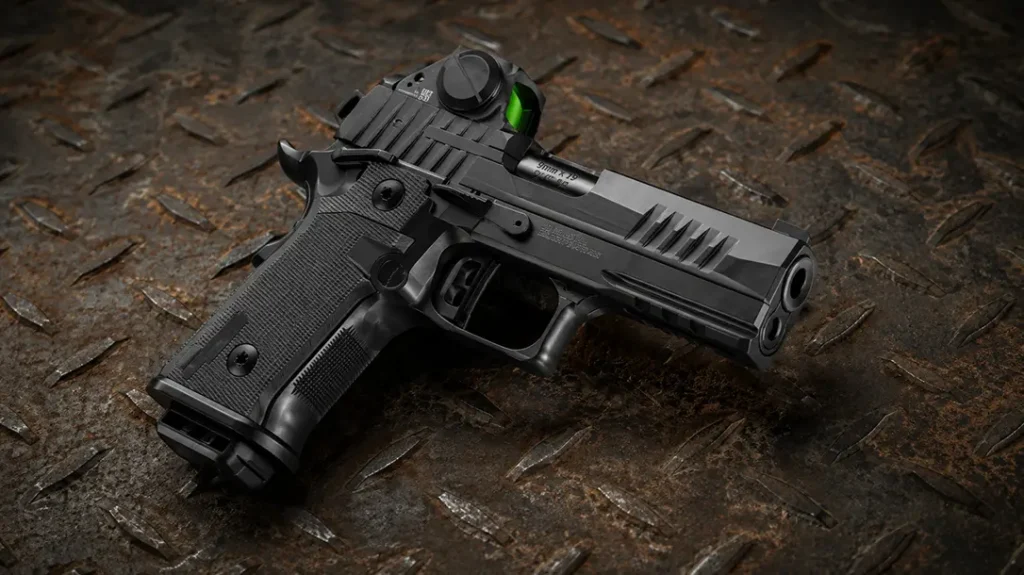
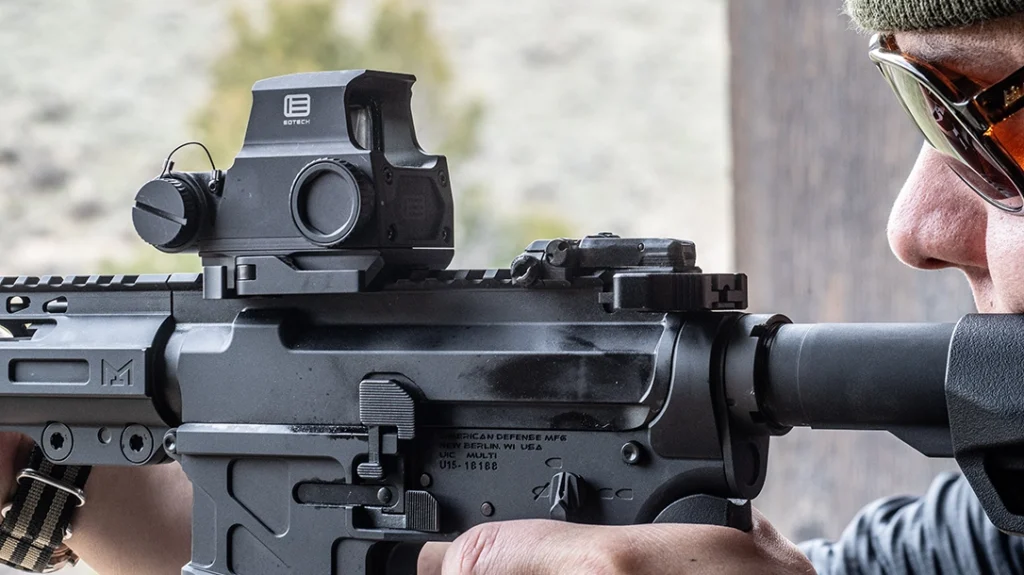
Velocity, and thus energy, varies greatly by different kinds of firearms. For example, an AR-15 shooting a .55-grain .223 or 5.56mm projectile typically has a muzzle velocity of about 30,000 feet per second (fps). A typical 9mm pistol with a 4-inch barrel shooting a 115-grain bullet has a velocity around 1,150 fps, nearly three times slower than the AR-15.
Which bullet has more energy? Well, energy in foot-pounds (ft. lbs.) is calculated by multiplying the weight times the velocity squared, then dividing that by 450,240. Thus, the fast-moving, small AR-15 bullet has an energy of 1,099 ftp-lbs., while the larger, slower-moving 9mm bullet has a muzzle energy of 338 ft-lbs. As with velocity, the energy of a projectile can be measured at various distances as long as the velocity is known at those distances. Additionally, the energy drops as the projectile gets further from the muzzle, simply because the velocity decreases.
Advertisement — Continue Reading Below
Velocity & Barrel Length
Several factors help determine a bullet’s velocity. One thing that affects a bullet’s velocity is the type and amount of gunpowder used in a cartridge. Some powders burn hotter than others, therefore pushing the projectile out of the muzzle with more velocity. Similarly, loads with a heavier powder charge tend to push bullets out with more velocity. Therefore, one of the limiting factors for velocity is the case size of a given cartridge.
Another factor affecting velocity is the projectile’s weight. With the same amount of the same kind of powder, a heavier bullet will leave the muzzle with a lower velocity than one with more mass. In the same manner, a light bullet will have more velocity, given the same powder charge from the same firearm.
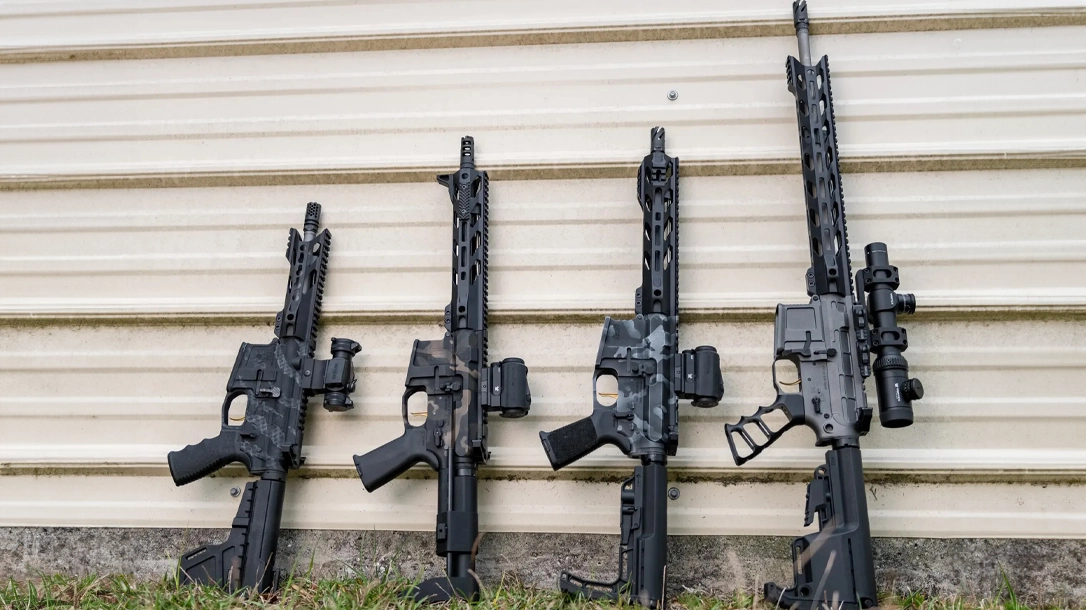
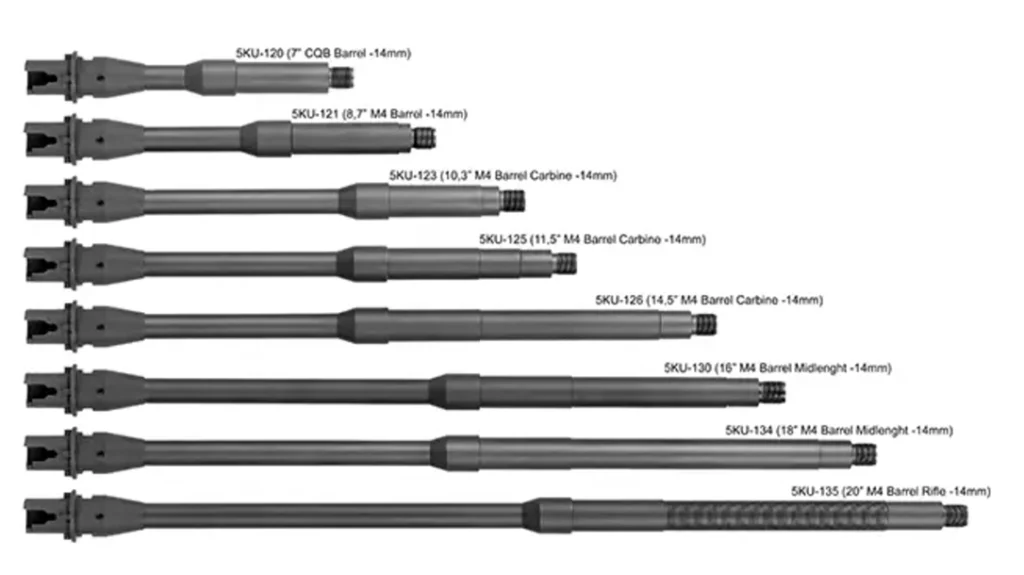
One factor that most tend to ignore, sometimes at their peril, is barrel length. Longer barrels tend to allow more of the powder to burn before the projectile leaves the muzzle. Conversely, in some shorter barrels, bullets don’t have the advantage of the whole powder charge burning and pushing the projectile out of the barrel.
Advertisement — Continue Reading Below
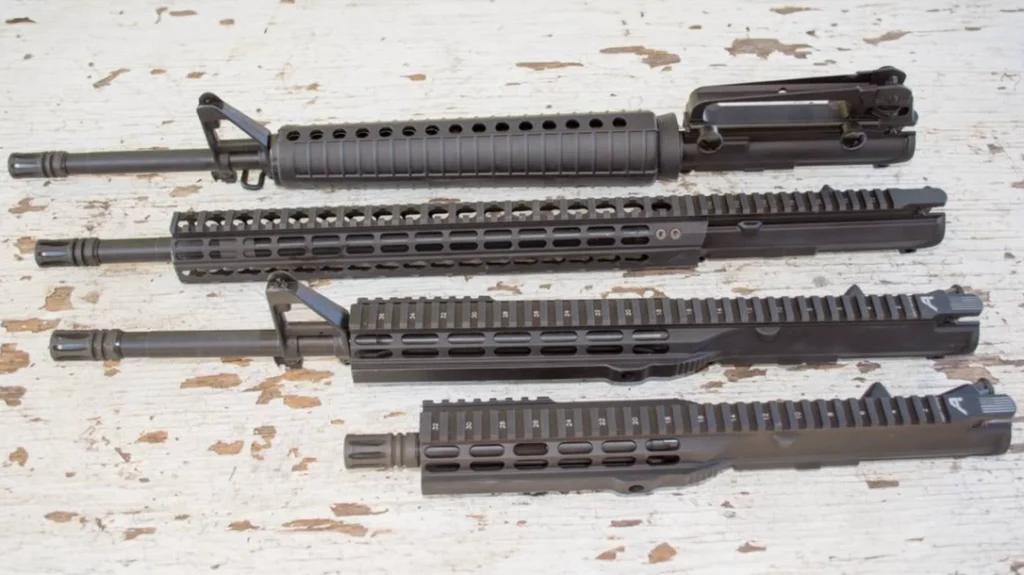
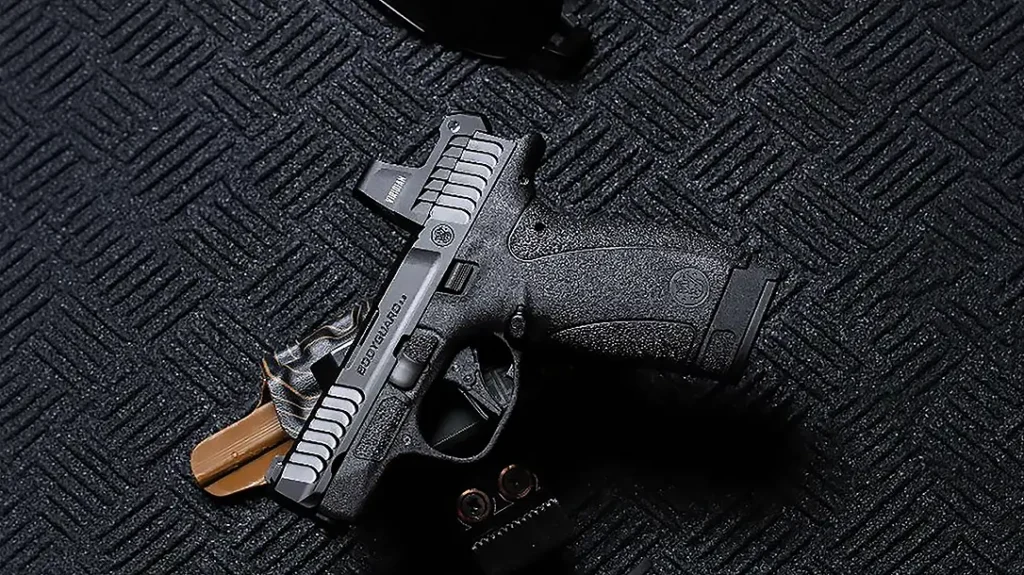
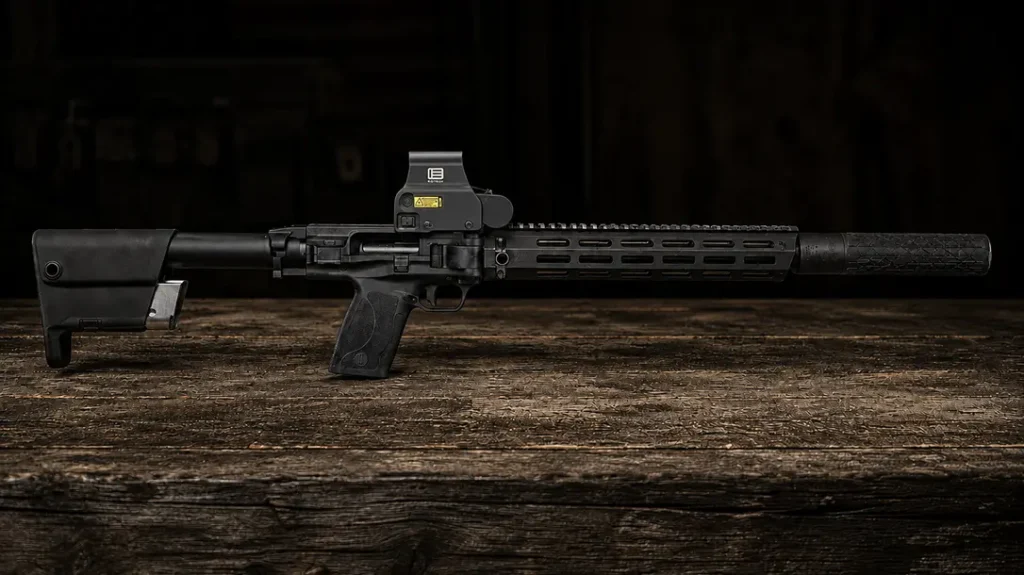
Take a typical 115-grain 9mm bullet as an example. This bullet will exhibit a different velocity when fired from a typical handgun than when fired from a Pistol Caliber Carbine (PCC) with a 16-inch barrel. In fact, the velocity through the PCC can be 200 to 300 fps higher.
Why?
Why does that make a difference? For one thing, it automatically means the bullet from the PCC carries greater energy than that from the pistol. That, of course, is at the muzzle.
Advertisement — Continue Reading Below
But things can be even more important when you consider greater distances. All things even, a bullet with more velocity will drop more slowly as it travels downrange than the same bullet with a lower velocity. Consequently, when shooting a deer at a great distance, a much faster bullet, which will be more flat-shooting, will require less adjustment to your aim as compared to a slower bullet that will get drawn downward by gravity much more quickly.
WHY OUR ARTICLES/REVIEWS DO NOT HAVE AFFILIATE LINKS
Affiliate links create a financial incentive for writers to promote certain products, which can lead to biased recommendations. This blurs the line between genuine advice and marketing, reducing trust in the content.