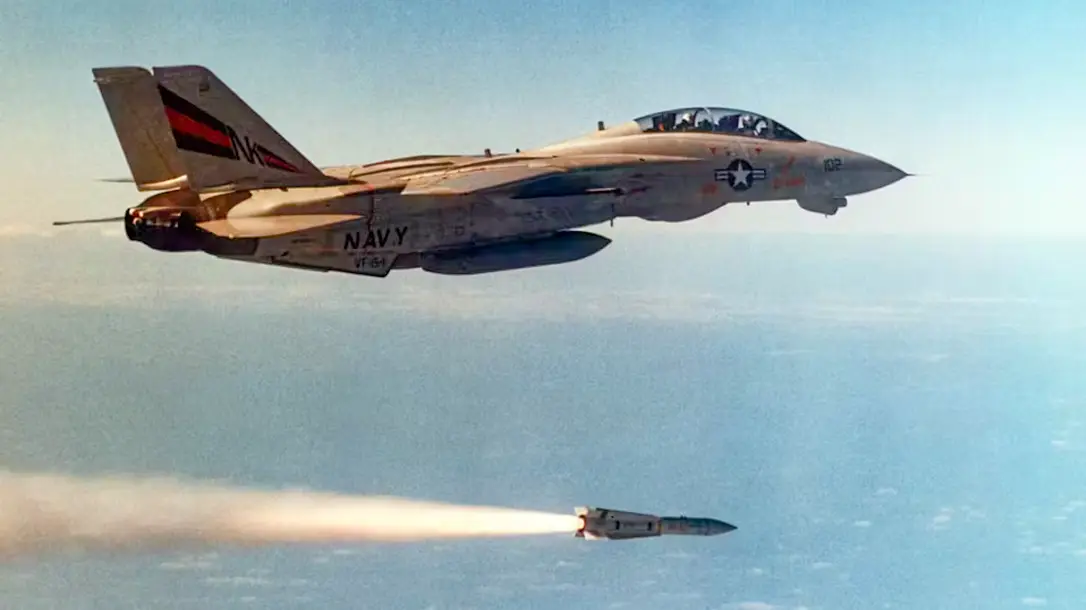
As a general principle, our digital magazines focus on the firearms industry and the lifestyle surrounding it. Yet, I find myself compelled to pen a piece on my beloved F-14 Tomcat. The spur for this story grew as stories of F-14s owned by the Iranians being destroyed in the current conflict began to circulate. It simply brought a tear to my eye. So, as a tribute to this muscle car of the sky, let’s take a look at the F-14 Tomcat (cue Top Gun music).
The F-14 Tomcat – A Powerhouse in the Sky
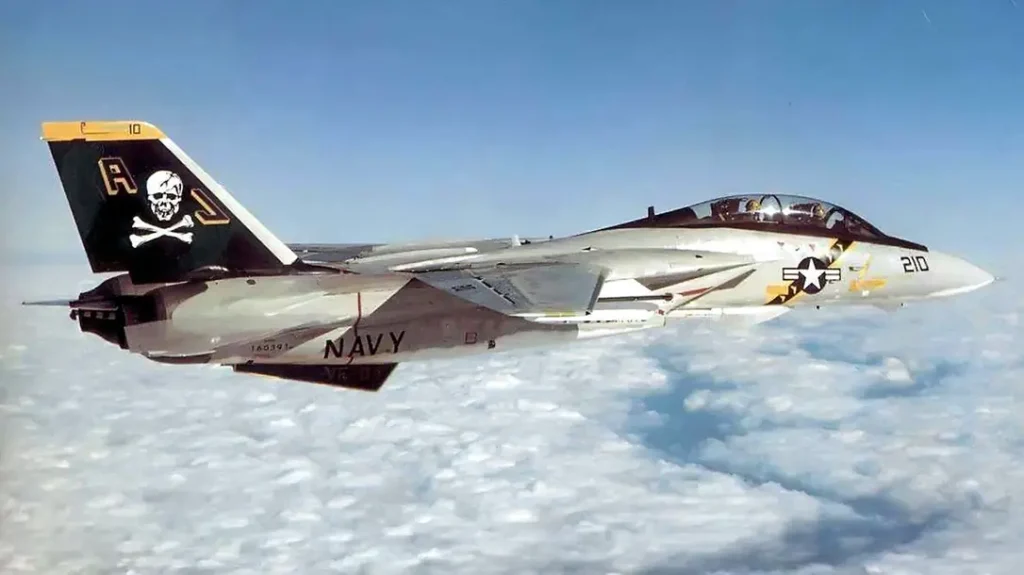
The Gruman F-14 Tomcat was more than just another jet in a line of military aircraft. It was an icon of the skies. Its unmistakable silhouette, twin tails, and sweeping wings made it a jet that everyone recognized. In its heyday, it was the absolute symbol of American air power and superiority. Its legend is so storied that Hollywood latched onto it and gave us Top Gun.
Advertisement — Continue Reading Below
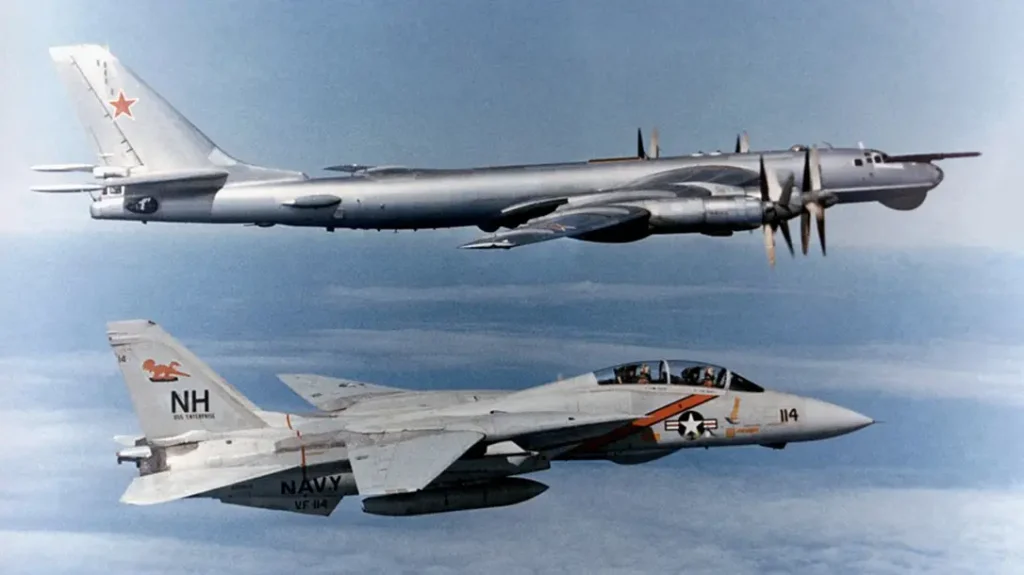
Born in the 1960s, the F-14 was the answer to a new need for Naval fleet defense. They needed an aircraft capable of fighter operations and of protecting carrier battle groups from long-range Soviet bombers armed with anti-ship missiles. After all testing was completed and submissions were evaluated, the Grumman Aerospace F-14 won the contract.
1970
Construction began, and the first Tomcat hit the skies in 1970. It was an exceptional aircraft with a unique variable-sweep wing design. The wings automatically adjusted depending on speed and flight conditions. At low speeds, the wings extended outward to provide greater lift and maneuverability. At high speeds, they swept back to reduce drag and improve performance. This gave the Tomcat excellent handling across a wide range of flight conditions.
Advertisement — Continue Reading Below
While its Mach 2 speed was impressive, the Tomcat had more than just brawn. The aircraft was fitted with a cutting-edge AWG-9 radar, which could track multiple targets at extremely long ranges. When it came time to fight, the Tomcat had serious teeth. Combined with its advanced radar, the F-14 could engage enemy aircraft from over 100 miles away. In short, they could destroy targets that they could not even see with the naked eye.
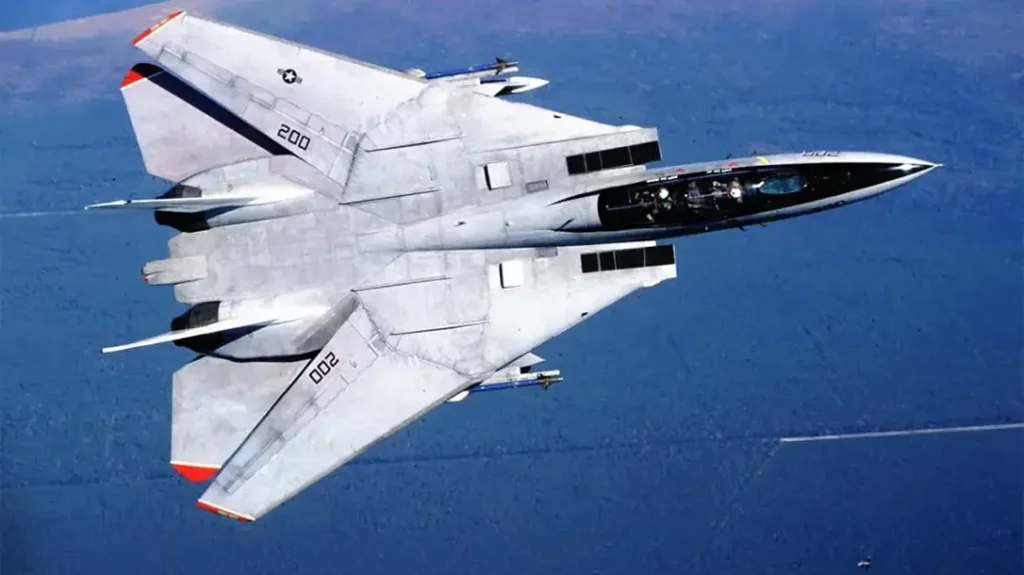
Built for Two
As you learned in Top Gun, the F-14 was built for a crew of two. Driving the aircraft was the pilot, and behind them sat the Radar Intercept Officer, or RIO. This person managed all of the advanced radar and electronics. Together, this team operated one of the most impressive aerial weapon platforms in the sky.
Advertisement — Continue Reading Below
The F-14 has an encyclopedia of successful air and ground engagements. Yet even with its impressive resume, the Tomcat was destined to age out. The cost of maintaining these jets was astronomical, and newer aircraft were beginning to roll off the assembly line. By the early 2000s, the Navy began replacing the F-14 with the newer Boeing F/A-18E/F Super Hornet. The Tomcat officially retired from U.S. Navy service in 2006 after more than 30 years of operation.
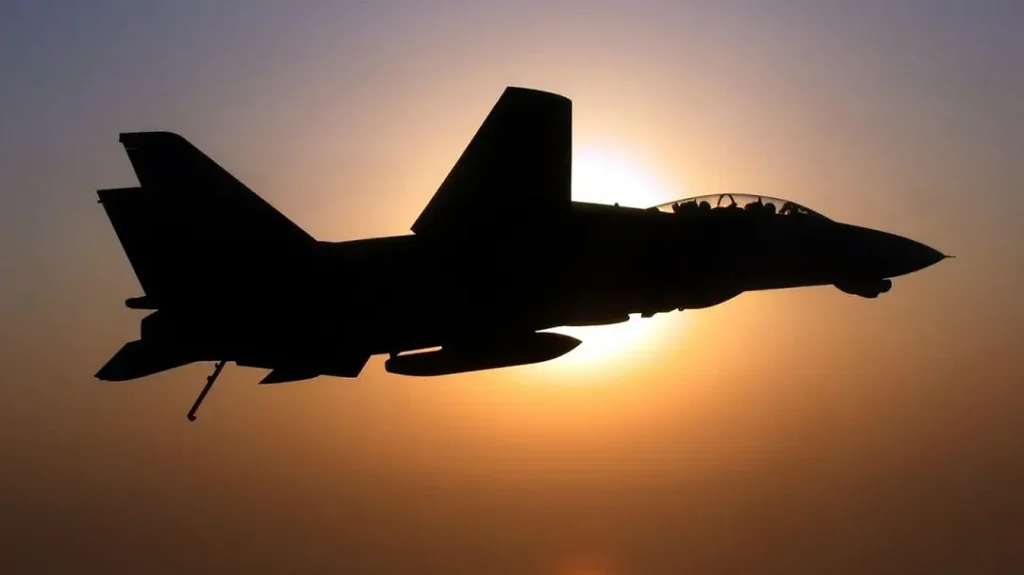
The F-14 Tomcat
The F-14 Tomcat is now relegated to museums and mothball aircraft storage facilities. Once the symbol of American power, it is now a page in aviation history. So, if you miss this angry feline as I do, I encourage you to break out the VHS and enjoy Maverick and Goose’s adventures one more time.
Advertisement — Continue Reading Below
WHY OUR ARTICLES/REVIEWS DO NOT HAVE AFFILIATE LINKS
Affiliate links create a financial incentive for writers to promote certain products, which can lead to biased recommendations. This blurs the line between genuine advice and marketing, reducing trust in the content.