There’s constant debate in the self-defense community as to what is the best system or style to learn as the ultimate form of personal protection. Sometimes, popular martial arts take the forefront. Other times it’s firearm use or “the ultimate keychain weapon that will save your life,” as told on late-night television infomercials. The truth is that the flavor-of-the-month is not the way to go when your life may be on the line. You need a well-rounded system, and the balanced criteria below can help you attain that.
Understand that Defense is Not Always Physical
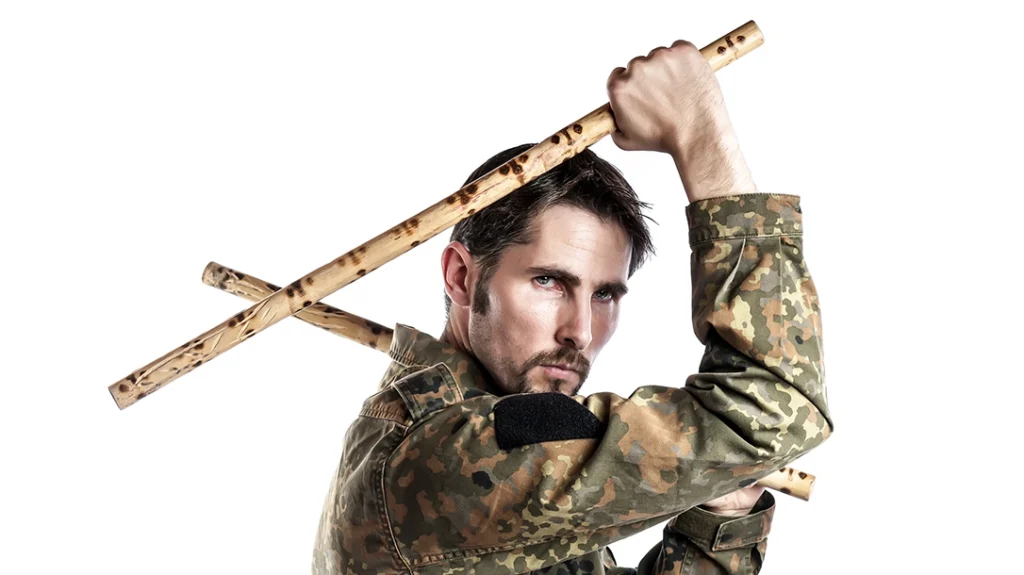
Protecting yourself begins far before things get physical. Having sharp senses and being aware of your surroundings go a long way to prevent a conflict before it happens. This isn’t always an innate ability. You can consciously learn and practice to be more alert and thus, be less of a target. You need to ditch all distractions while you travel about your day.
Advertisement — Continue Reading Below
This means (and this is a big one) letting your reliance on your cellphone cease when you need to focus. Becoming glued to your screen or immersed in the latest song or podcast doesn’t allow you to notice red flags around you. Someone may be following you, targeting you for theft, or possibly planning to abduct you. Being aware is an active skill that must be learned and practiced. And, it is often an overlooked self-defense necessity.
Have a Martial Arts Foundation
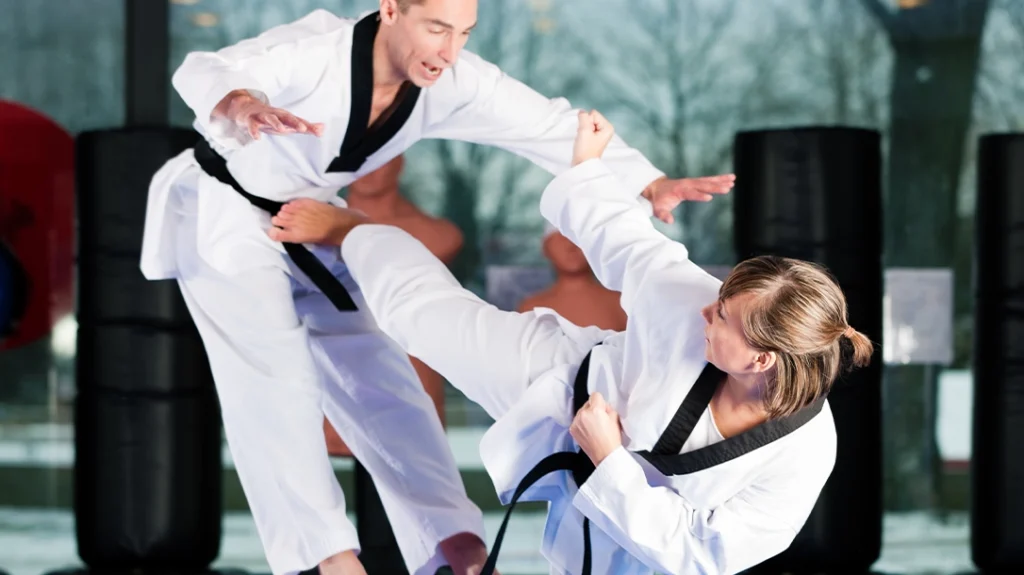
Jumping around from martial art to martial art only months apart is not a good starting point. While it’s true you may need to try several to find your right fit, once established, you need to put in your time. Having numerous years of experience behind you in a self-defense oriented martial art (yes, not all are ideal for street-level defense) will solidify techniques that will come out when you’re in a physical altercation.
Advertisement — Continue Reading Below
Superficial training will do more harm than good, as it will give you a false sense of security. Dedication and discipline pay off, while just talking the talk that you’re a martial artist might very well get you killed.
Know the Facts about Ground-Fighting
Over the past twenty or so years, grappling has become vastly popular. Various dojos have popped up solely dedicated to ground-fighting techniques and submission fighting. It has become the go-to martial arts and has influenced many to join their ranks.

Advertisement — Continue Reading Below
However, thinking ground-fighting is a viable self-defense form, on its own, is greatly erroneous. In a self-defense scenario, you don’t want to go to the ground (even though most fights end up on the ground.) If you’re locked with your foe on the ground, his “buddies” can join in against you, or the solid ground can hurt you more than your opponent. Additionally, many techniques you learn are performed on a mat to reduce harm to you.
On solid ground, they can become incredibly dangerous for you. Now with that being said, having some experience in ground-fighting is necessary. You’ll need to counter your foe if you end up on the ground and either finish him off fast or escape his hold and get back to your feet as fast as possible. Grappling should be part of your system, not your entire repertoire.
Non-Firearm Weapon Experience
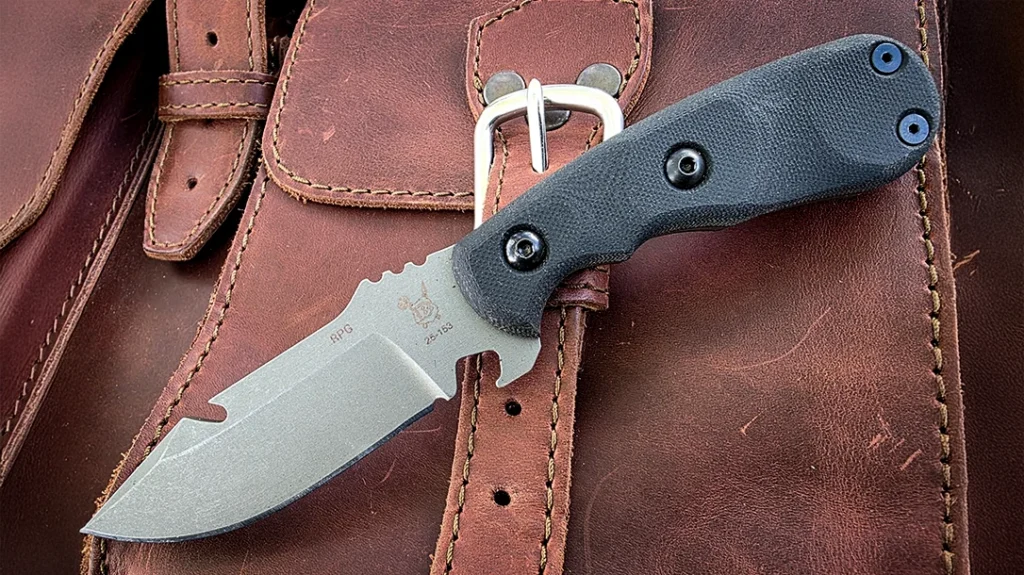
The odds of being confronted with a non-firearm weapon are relatively high in today’s world. Anything can be used against you. Naturally, knives are easily accessible to almost everyone. However, baseball bats, clubs, and even screwdrivers are all weapons that can be used to inflict pain and punishment. Because of this, you need weapons training, not only defense against, but also how to use them offensively, too.
Advertisement — Continue Reading Below
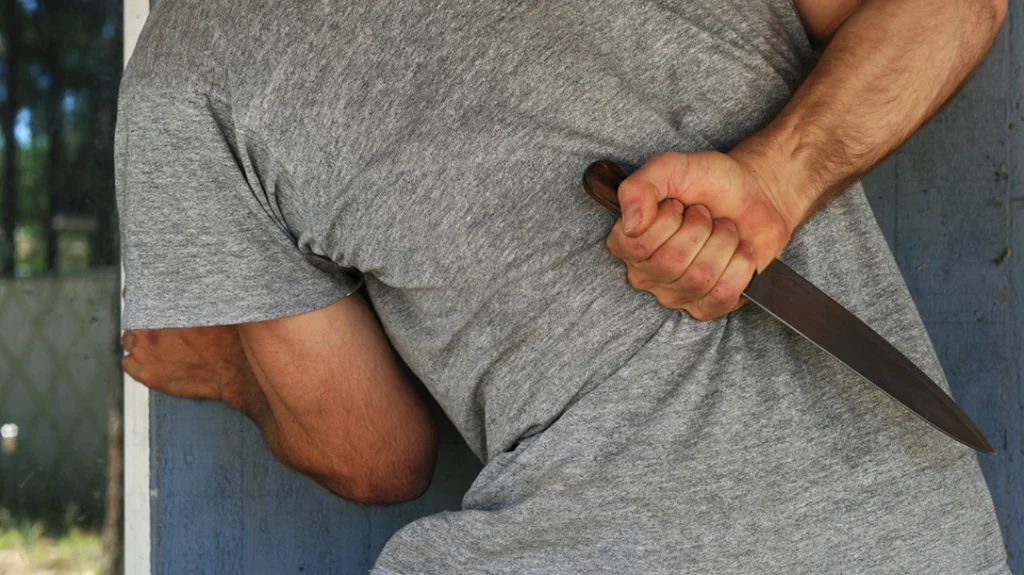
This goes back to the martial arts section. Steady training centered around disarming and using the weapon is a must. You must feel comfortable when weapons come into play during a conflict. Just the fact of not freezing up at the sight of a brandished knife is incredibly important. The fact is, the more you’re exposed to weapons, the better off you will be to react without hesitation.
Going the Firearm Route
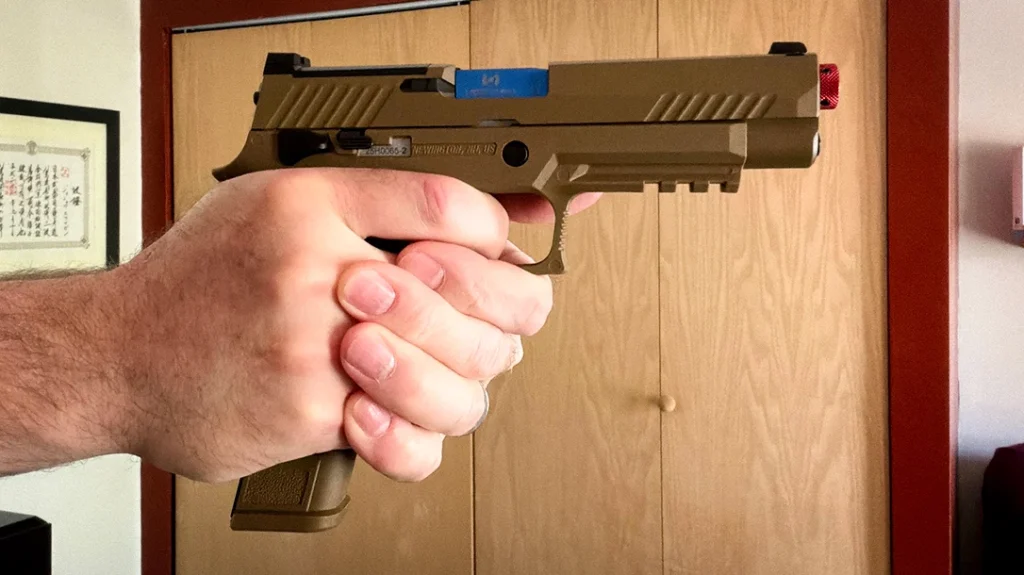
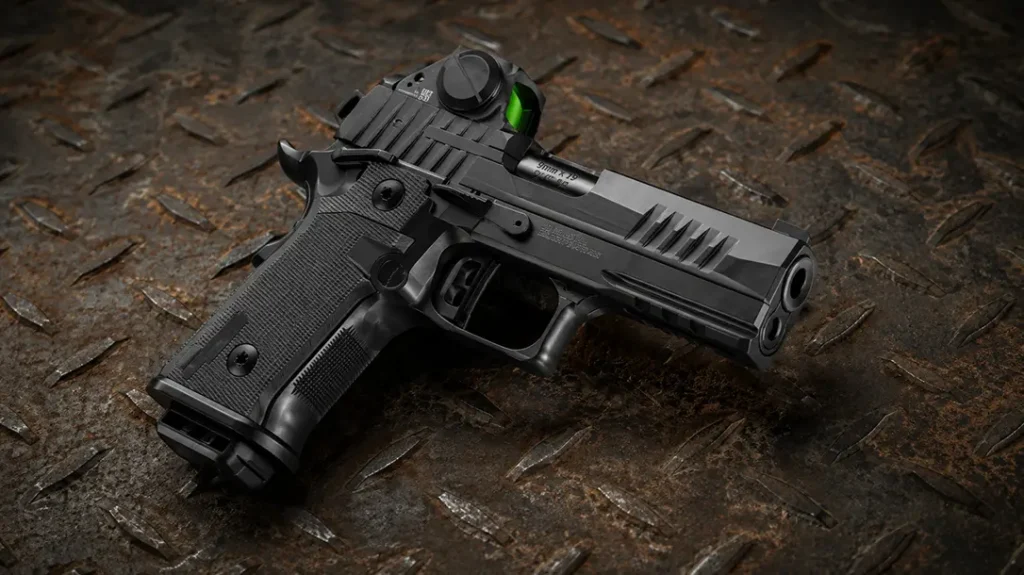
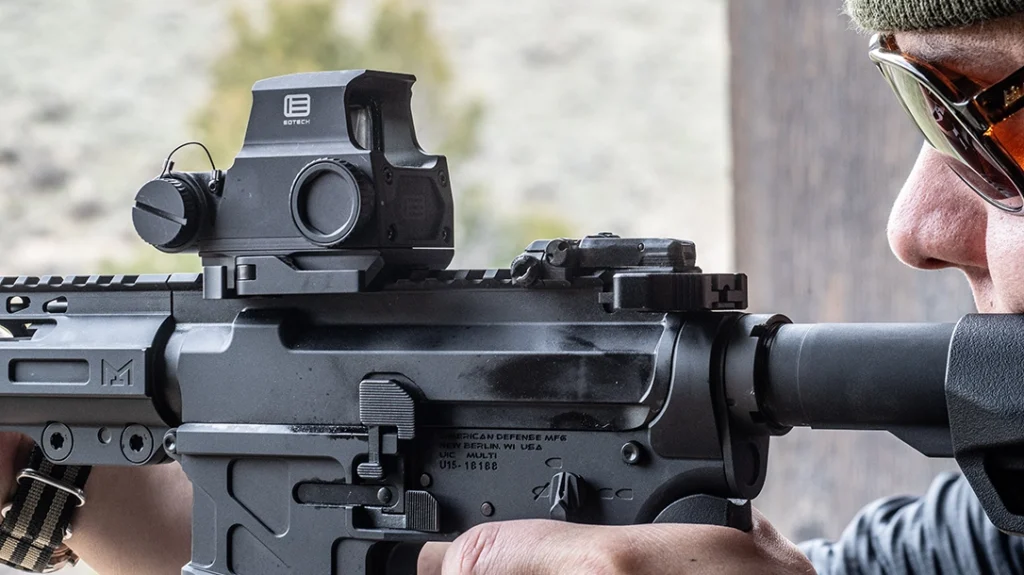
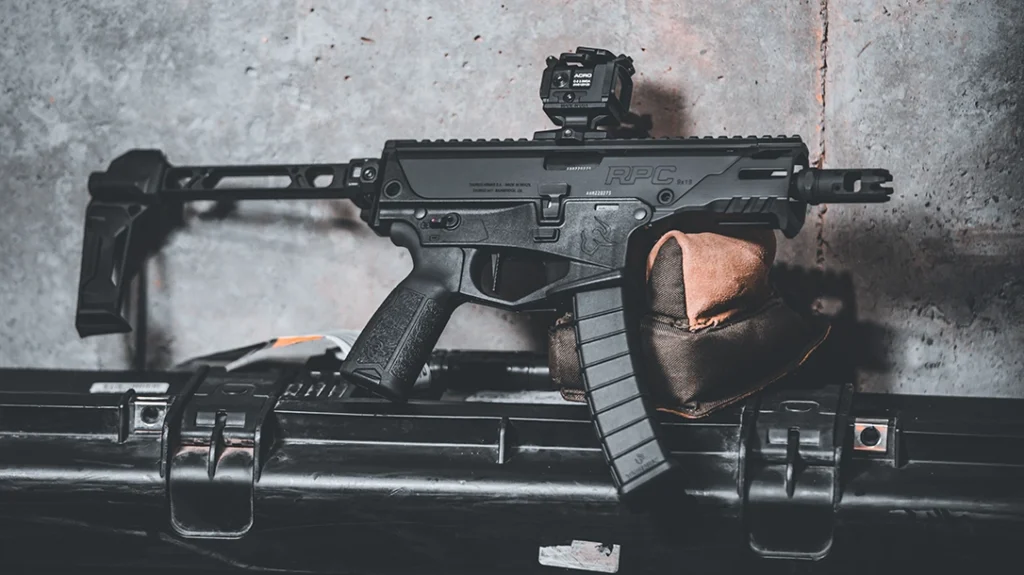
There is a distinct dichotomy between people who are firearm users and those who are not. That is perfectly fine. For the firearm users, training is an absolute must. Though this may seem like a given, there are people who buy a firearm and lock it up until it’s needed.
Advertisement — Continue Reading Below
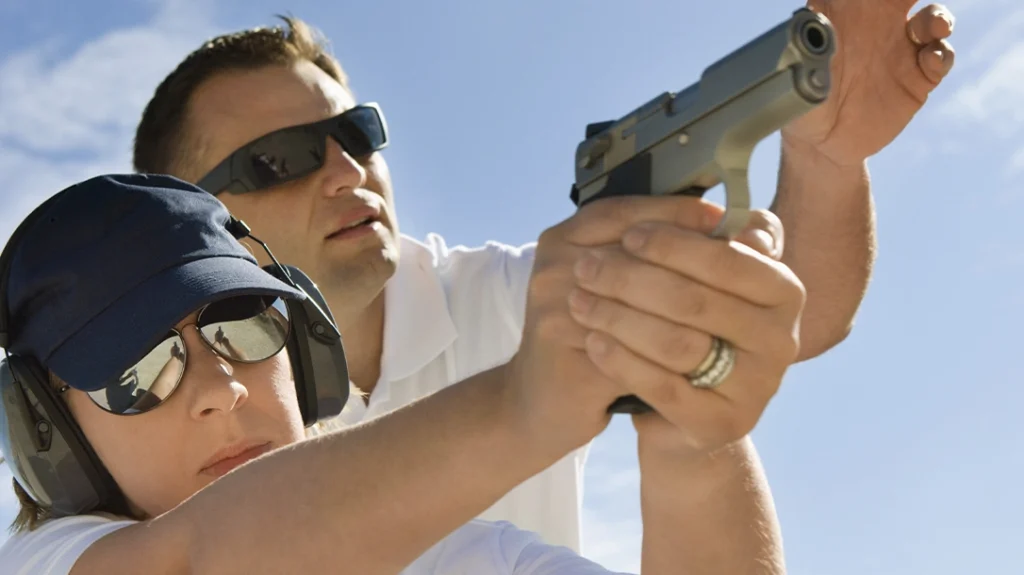
This can turn out badly (and deadly) for them, however. Not being familiar with the weapon, not experiencing the effects of firing it, and not practicing aiming it are all counterproductive to its usefulness. Firearms have serious physical, emotional, and even legal ramifications, even when you’re in full control and knowledgeable. When you’re a novice with a new toy, it could be disastrous.
Knowing Self-Defense is the Sum of Its Parts
The main takeaway to understand is that self-defense is not “one size fits all.” You never know what you’ll be facing on the streets, so a comprehensive system is needed. You should have experience with both offensive and defensive techniques, some ground fighting skills, weapons use and disarms, as well as a keen mind to detect oncoming trouble. Although you can’t master everything, having a foundation in one main category is highly beneficial. Then, expanding from there to other areas will make you well-rounded and ready when trouble comes your way.
Advertisement — Continue Reading Below
WHY OUR ARTICLES/REVIEWS DO NOT HAVE AFFILIATE LINKS
Affiliate links create a financial incentive for writers to promote certain products, which can lead to biased recommendations. This blurs the line between genuine advice and marketing, reducing trust in the content.