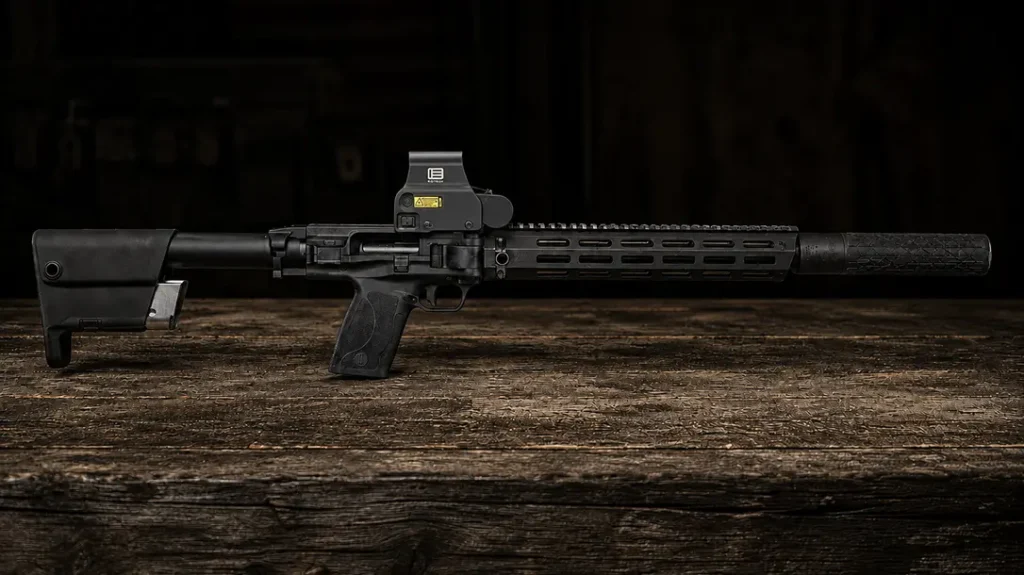
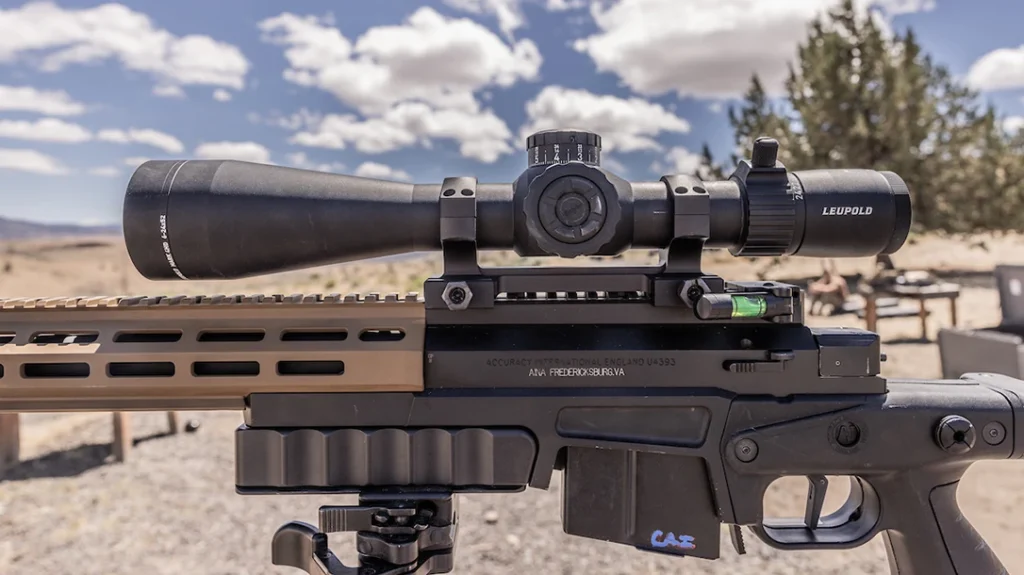
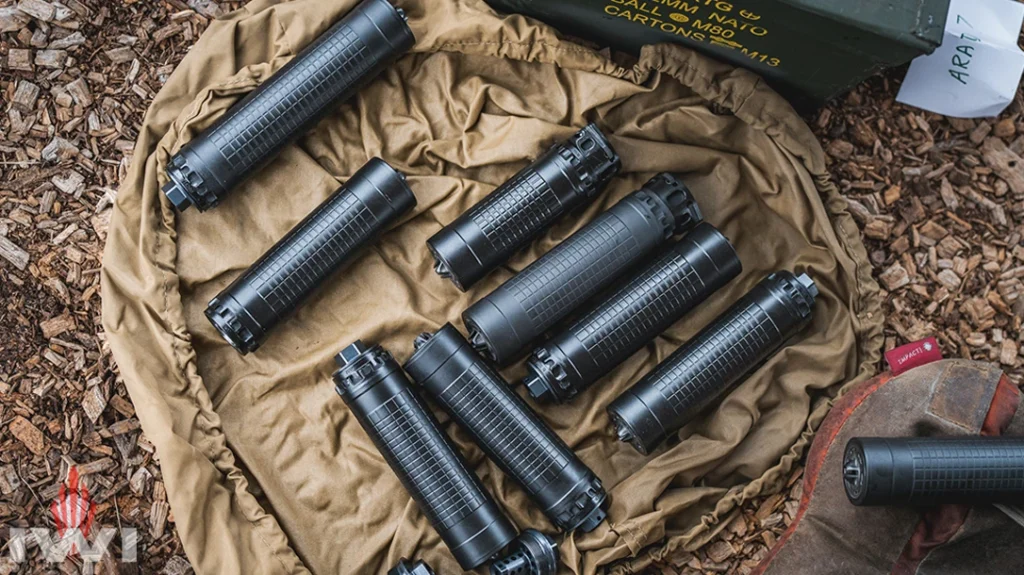
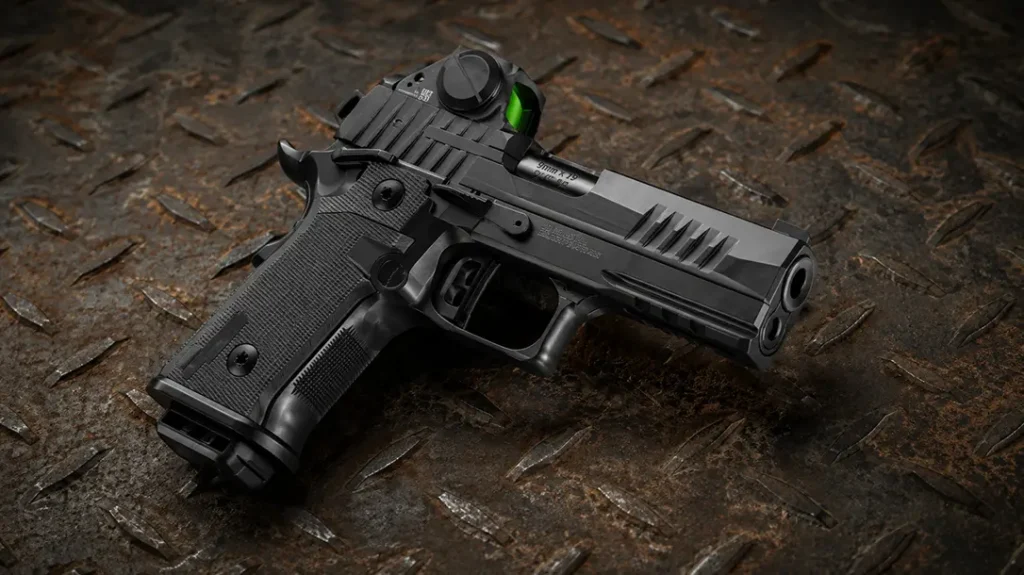
Suppressors trap excess gas, or at least did, then re-direct it through some sort of baffle system suppressing the sound. This idea is at the heart of rifle suppression and has been since their invention. The degree at which gas is trapped or diverted, and where has always determined three things, excess gas at the shooter, increased back pressure, and sound levels. The quieter the can the more back pressure and greater excess gas. Finding a happy medium has always been the key. Over the years advancements in design and construction have taken that equation to the next level.
A perfect example is Rugged Suppressors Axial, a belt fed rated suppressor using an ultra-flow design that results in the best of these worlds, a quieter rifle that runs reliably, clean and has minimal excess gas in the shooters face.
Axial = No Back Pressure
I have been using suppressors on rifles for decades now, long before they were popular. My duty precision rifles were suppressed from day one, our entire team was. They offer so many advantages its worth any drawbacks. At the time they were heavy, long, pretty quiet, and gas making machines. Move to the carbine and that was multiplied by tenfold. Suppressors early on turned perfectly functioning AR’s into “jam o matics” that gunked up your action and your lungs.
Advertisement — Continue Reading Below
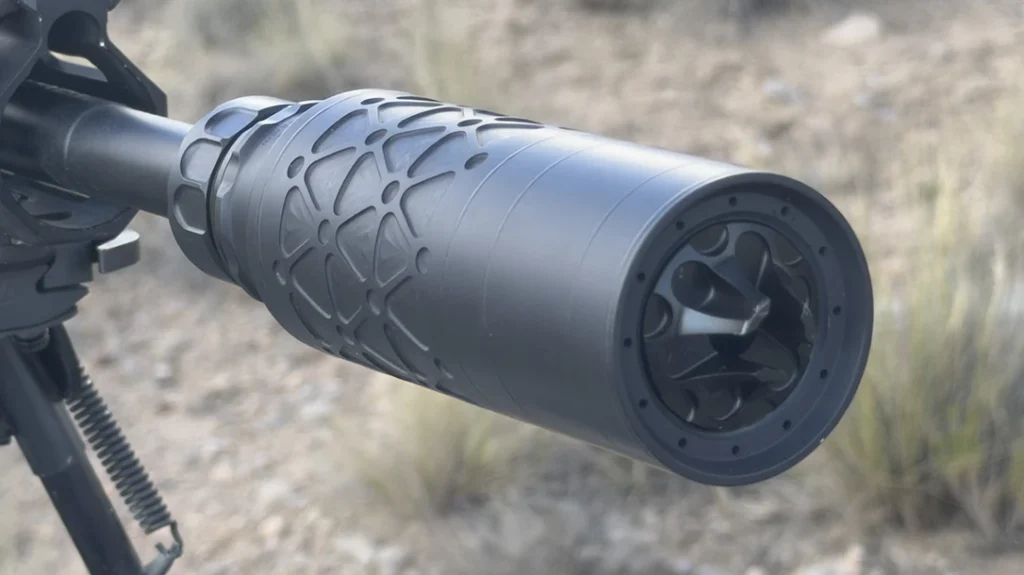
Early attempts at low back pressure resulted in minimal success. Reduced back pressure just meant they were loud and could not be used on shorter barrels, the very place they were most needed. Over time that has all changed and several companies are constructing usable designs with Rugged Suppressors sitting at the fore of the design. Generally rated for belt fed machineguns with zero barrel length restrictions their new Axial is one of the best yet.
Rugged Axial Suppressor Features
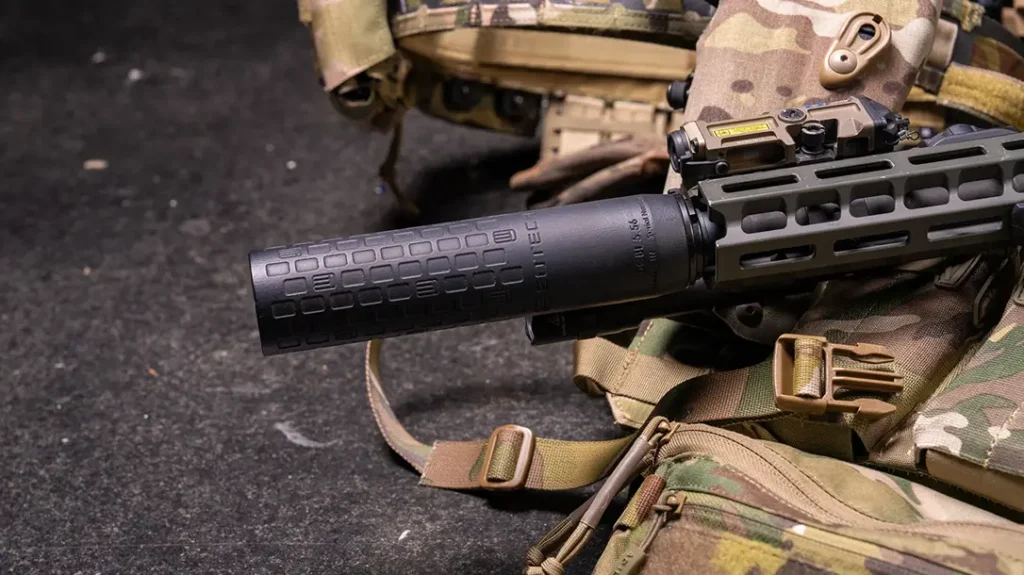
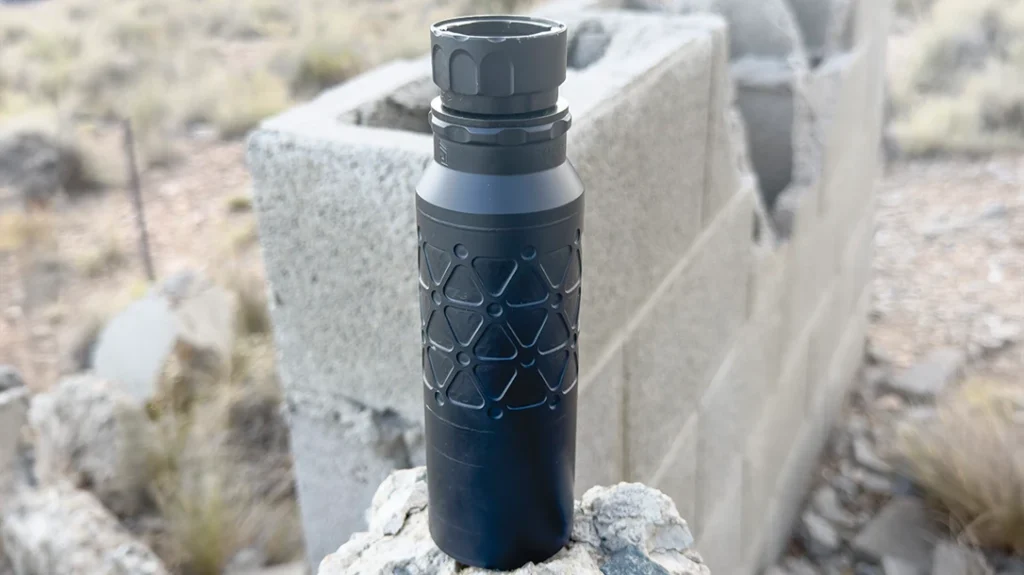
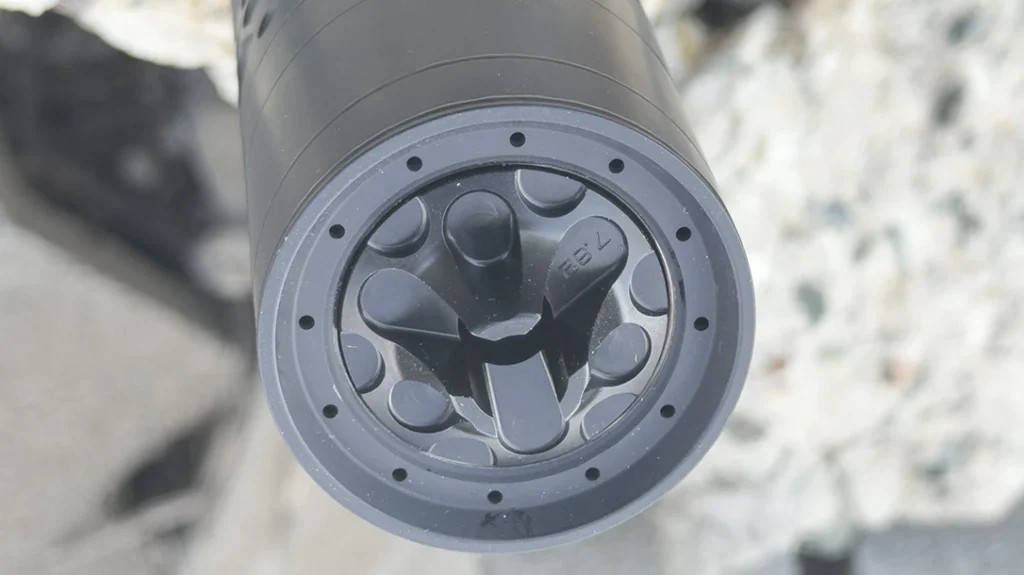
Rugged’s Axial uses Coaxial Venting Technology designed to direct gasses away from the shooter while staying quiet. It does so while maintaining unmatched durability. Baffles are made with Cobalt 6, an alloy designed with superior high temperature hardness. Outer tube is 17-4 stainless with a stainless steel mount. Together it produces less back pressure, solid sound suppression, and represents one of the most rugged no back pressure designs on the market today.
Advertisement — Continue Reading Below
Your rifle runs cooler and reliably without excess gas. Venting out the front insures reliable operation on direct impingement AR’s, or any other gas operated rifle. Overall length using a universal mount is 5.7 inches, add another inch using their Rugged Universal Mount (RUM). Weight is 15.7 ounces without, 19 ounces with the RUM.
Testing Platform
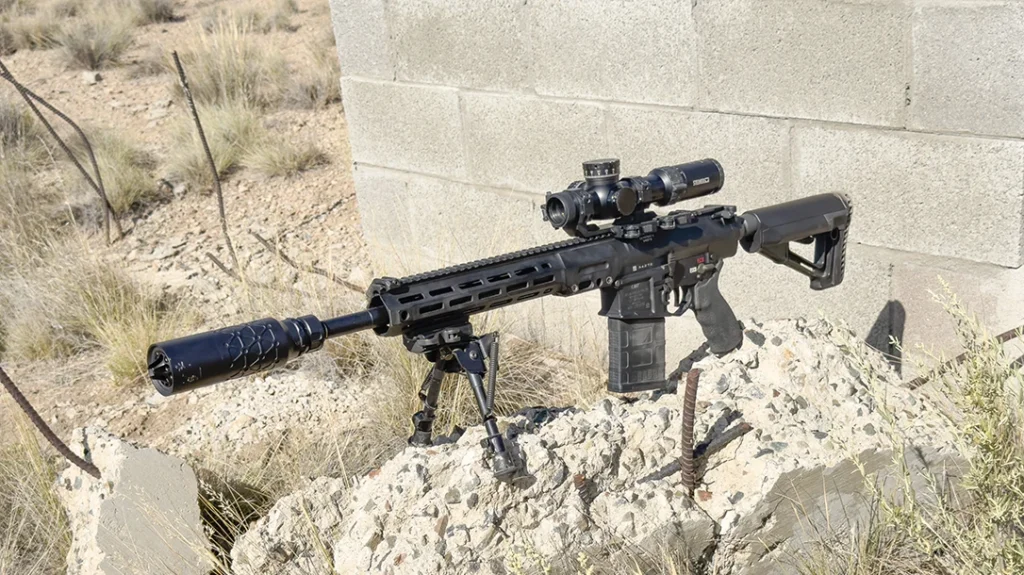
To test at the extremes my Lewis Machine and Tool (LMT) rifles were used. The first is the MARS–Heavy using a 16-inch .308 barrel. Direct impingement they tend to be on the gassy side if you add a conventional suppressor. It’s basically a MK24 clone, the rifle slated to replace the SCAR Heavy (17) currently used by our Special Missions Units. The MK24 uses a 14.5-inch barrel, the 16-inch should be similar in operation without the need for the NFA paperwork. Steiner 8Xi is very similar to what will be fielded today.
Advertisement — Continue Reading Below
My 6.5 CM barrel is 18.5 inches, longer yes, but it remains a solid test. Historically the AR platform in .308-based cartridges is amongst the most difficult to suppress, especially with a fixed gas block. The supplied Rugged M2 brake was used. Light, strong, and short it utilizes their dual taper mounting system.
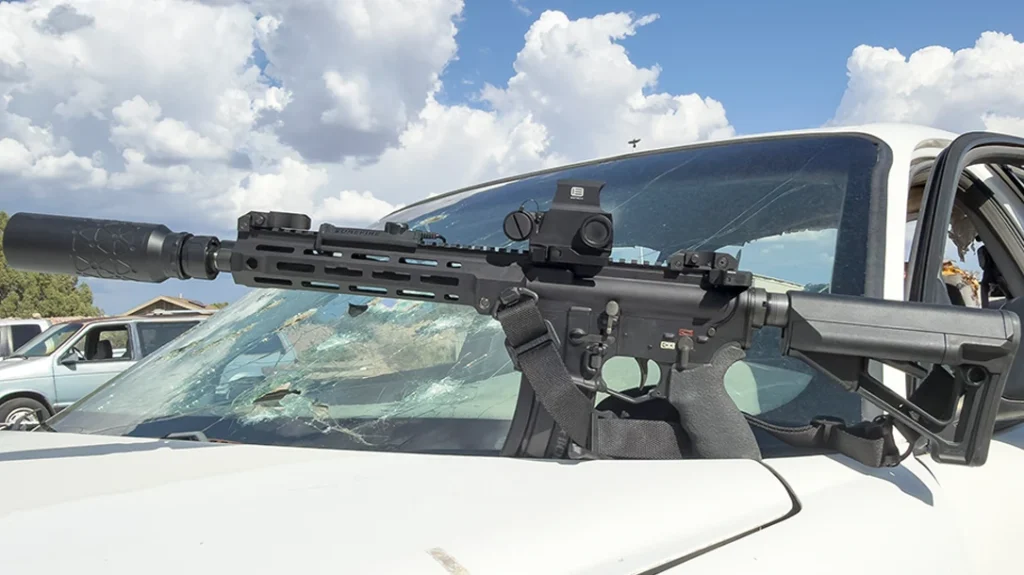
Moving to the other extreme is my LMT MARS-Light using a 10.5-inch barrel. Also direct impingement it represents another platform that is historically difficult to suppress correctly. Add most suppressors without an adjustable gas block and you are lucky to get it to run. If it does the action is caked in gas and the rest is resting in your lungs.
Advertisement — Continue Reading Below
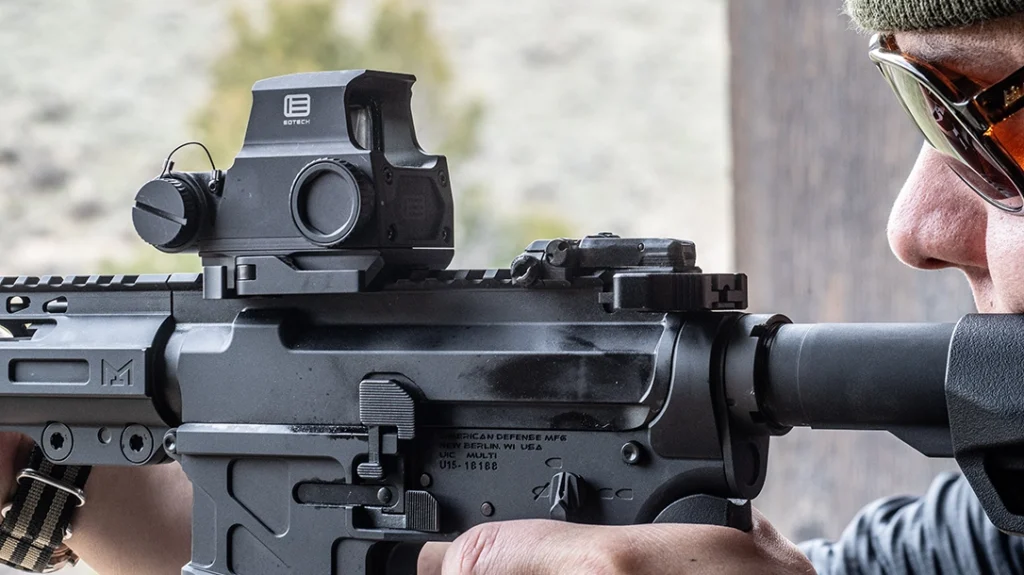
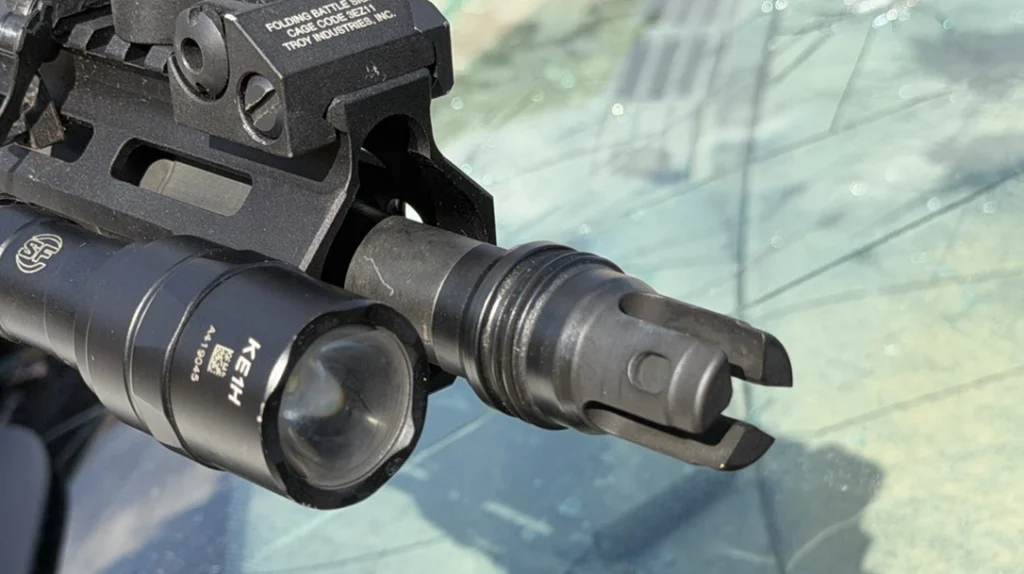
Over the years I have seem these short AR’s just quite working after a magazine or two suppressed. Mine us equipped with the new EOTech EXPS3 HD holographic optic. Encased in aluminum with no hood needed it also uses a rotary switch to change brightness settings. An earlier model actually sat on a similar rifle with this exact barrel when it was used on duty years ago. SureFire’s Scout light was added and Rugged’s R2 flash hider was used.
Range Time
One of the advantages of being a Gunsite instructor is the ability to use ranged when off the clock. Attending the Tactical Shotgun course this was tested at various ranges on the ranch. It also afforded me the ability to run the MARS-L in the indoor simulator where the suppression part is so critical. Ammunition for the MARS Heavy was largely Hornady’s 155-grain BTHP, while the Light used Doubletap Ammunition’s 62-grain duty load.
Back Pressure Performance
Having spent some time with this suppressor at the Athlon Rendezvous it was impressive, even more so here. Using the .308 the ejection pattern was all but unchanged. Video of the action during firing shows no substantive difference between suppressed and unsuppressed fire. More importantly there was no gas in my face to suck up.
Advertisement — Continue Reading Below
After a magazine was fired neither it nor the chamber was caked in excess powder. A little dirtier, sure, but nothing like back pressure intensive designs. Function was essentially unaffected even during rapid fire strings with no real “stacking” deep into the magazine. Rapid fire often brings with it a gas buildup seeing an obvious change in brass ejection, at least on 10-round strings that did not happen.
The same was true with the MARS-L in 5.56mm, no perceptible change in brass ejection or excess gas in the ejection port. Operation was unchanged including 10-round strings. Moving to the 6.5 CM it was just better, quieter, softer shooting with no change in accuracy.
Advertisement — Continue Reading Below
I am always skeptical about anyone claiming “zero” back pressure, but as these designs go it is as close as it gets.
Sound Suppression
In the house using the shorty it was noticeably quieter than most low back pressure designs and plenty quiet for a duty operation. Hearing safe, well that is a misnomer to me, but it is certainly safer. Having used a couple other designs with ultra-low pressure it is the quietest so far.
Move outside and it is pretty quiet, as quiet as more than a few that have plenty of back pressure. Heavier than some on the short 5.56mm but not overly so. Shorter tends to be louder, and if it’s still quiet there is more back pressure—physics wins that battle.
On the .308 it seemed to help with recoil, although after spending the entire day shooting a 12 gauge recoil was comparatively nonexistent. Lying prone on the range outdoors it was very quiet. Again, I never shoot anything without hearing protection, suppressed or not, but it was somewhere about the middle on sound when it comes to these designs.
Bottom Line On The Axial
Mounting systems are as solid as it gets although you can use the universal designs if needed. Everything Rugged Suppressors makes is designed for hard use and the flash hider and brake are no exception. The RUM (Rugged Universal Mount) is secure, can be installed and removed with one hand with a near absolute return to zero. I have been using the flash hider for a couple years on several different guns and their Micro-30 suppressor and it still works great.
After longer strings it certainly got hot, but nothing like some. Low or no back pressure designs vent the gas making it run cooler. Not “grab it after a magazine” cool, but noticeably cooler than designs that trap gas. For entry I would still recommend a can cover and Rugged makes some great covers. Convenient for sure, but most importantly that heat is not getting transferred to your barrel.
This was an impressive suppressor to shoot. Light, not too long, nor too heavy, yet rated for a belt-fed machine gun and short barrels. Rated to .300 Remington Ultra Magnum it is suited to just about any .30-caliber rifle. Going to give it a try on my .300 PRC at some point, but for now it happily sits on the LMT .308 for some other projects.
If you are looking for a no back pressure design that is rugged, versatile, and doesn’t punish you with a face full of gas every time you pull the trigger, the Axial deserves a spot near the top of your shortlist. It’s one of those rare suppressors that doesn’t force you to choose between sound reduction and rifle reliability—and that’s exactly the kind of evolution we’ve been waiting for.
Rugged Suppressors Axial Specifications
Length
- Without the Rugged Universal Mount (R.U.M.): 5.7 inches
- With R.U.M.: 6.6 inches
Product Weight
- Without the R.U.M.: 15.7 oz.
- With the R.U.M.: 19 oz.
Finish
- High Temp Cerakote
Material
- Baffles: Cobalt 6
- Tube: 17-4 Stainless Steel
- Mount: Stainless Steel