I have been buying Glocks, starting with the 2nd generation, since the early 1990s. However, for most of that time, Glocks were just another gun in my collection. To be brutally honest, as a long-time fan and user of fully metal guns, I just didn’t like the look and feel of the Glock as a defensive tool. This changed with my purchase of the Gen 5 Glock 17 in 2017-2018. Its performance led me to move to the Glock 17 Gen 6, but I still wanted to evaluate it with a thorough torture test.
The Glock 17 Gen 6 Was Not My First Glock Torture Test
There were three factors that took the Glock from an occasional gun to a trusted primary defensive firearm.
First, when the Glock 17 Gen 5 was released in 2017, I began writing for various gun and self-defense-related publications. I pitched an article putting 2000 rounds through a new Glock 17 Gen 5. The overall findings revealed very little wear and zero malfunctions with various cheap practice ammo. Likewise, the gun worked just as well with the first round as with the 2000th.
Advertisement — Continue Reading Below
The second event was taking a multiday handgun training class shortly after this 2000-round test in 2017. I originally planned to take my IWI Jericho chambered in 9mm. However, I decided at the last minute to switch to the Glock 17 Gen 5. By the end of the class, I had put another 2000 rounds through the Glock (again with zero issues). I watched as high-quality guns from multiple other makers had issues during the class.

A friend was running a high-end handgun from another manufacturer. When it had a spring break, they had no parts for it on site. However, they did have all the parts for Glocks, and he ended up using a loaner Glock to complete the class.
Advertisement — Continue Reading Below
Finally, I started to actively compete in various national competitions from 2018-2020 (GSSF Indoor and Outdoor, IDPA, etc.). I decided to continue using the Glock 17 Gen 5 in these as well.
Glock Earned My Trust
The result was that by the end of 2018, I trusted my Gen 5 Glock implicitly. I had put more rounds through it than any other gun with zero issues. Likewise, I had personal experience with the ease of getting parts for my Glock if ever needed.
Most importantly, I was shooting the Glock as well or better than any other gun in my collection (often running my stock Glock 17 against tricked-out race guns successfully in competitions). By the end of 2018, I shifted to the Glock 17 as my primary carry handgun and haven’t looked back.
Advertisement — Continue Reading Below
Converting from the Glock 17 Gen 5 to Gen 6
In early 2026, the Glock 17 Gen 6 became available. I had one on order as soon as it was confirmed that the Glock 17 Gen V (a stopgap between the Gen 5 and 6) was not becoming the new version of the Glock 17.
Generally, I liked all the changes from the Gen 5 to Gen 6. So, I was excited to see if I would be as impressed with the Gen 6 as I had been with the Gen 5.
The Glock Generation 6
Advertisement — Continue Reading Below
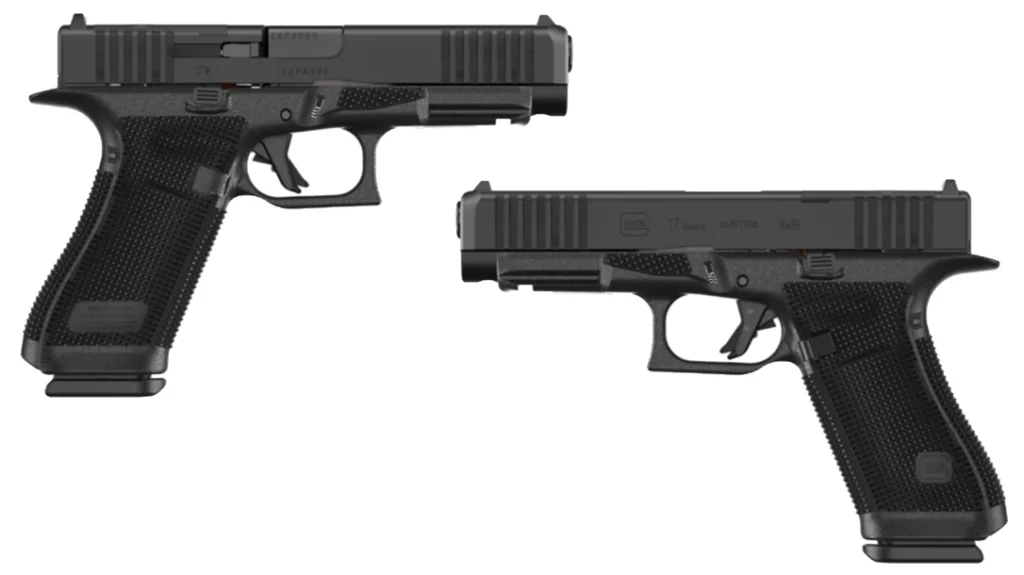
The Glock Generation 6 brought several updates to the existing Glock platform.
These changes include:
- The grip surface more aggressively utilizes the RTF6 texture
- Ergonomic improvements included a longer beaver tail, gas pedal (thumb rest) on the frame, slight palm swell on the grips, and an undercut trigger guard
- Improved optics mounting, allowing for a lower mounting of optical sights
- Flat-faced trigger
- The change of the recoil spring back to generation 4 style single spring
- More aggressive slide serrations on the front and back sides of the slide.
Overall, I see these changes as improvements, and I was excited to see how it would shoot.
Advertisement — Continue Reading Below
The First 1000 rounds with the Glock 17 Gen 6
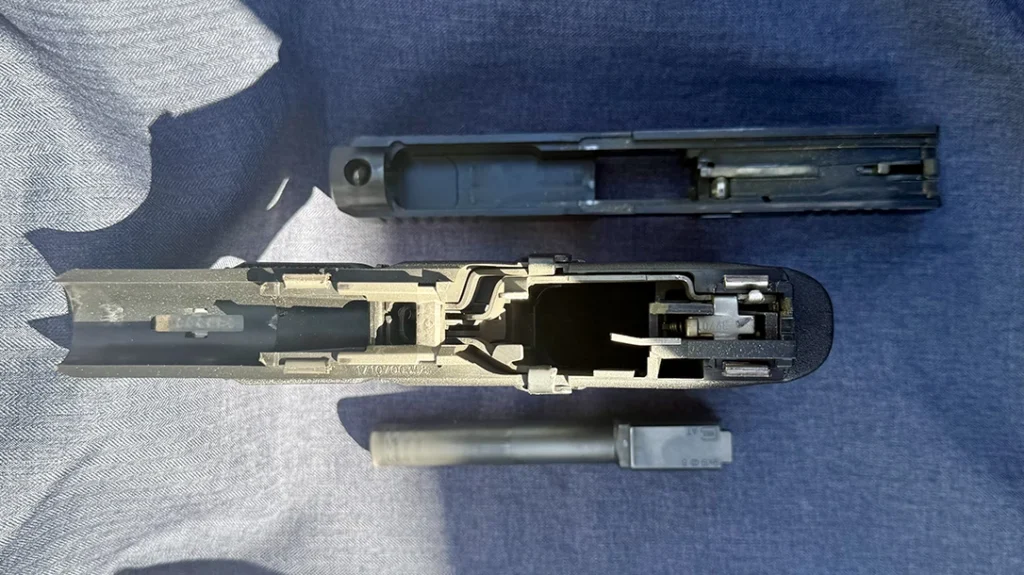
I spent a week shooting various types of rounds through my new Glock 17 Gen 6, without any cleaning, to break it in. The pictures show the gun pre-test (cleaned with less than 50 rounds) and post-test after 1000 rounds, prior to cleaning.
Rounds included primarily Blazer Brass 115-grain FMJ (full metal jacket: ball practice rounds), some Fort Scott lead-free 115-grain ball ammunition, 50 rounds of Hornady 135-grain Critical Duty defensive rounds, and 150 rounds of ZQi 124-grain FMJ steel cased ammunition. Muzzle velocity varied from 915 to 1150 feet per second. Hornady showed the least variance between rounds, and ZQi showed the most.

Advertisement — Continue Reading Below
I conducted the tests on my personal outdoor pistol range, from a holster (Crossbreed Drop Slide OWB), using a random-start setting on a shot timer. Beyond function, I was also looking at accuracy and speed compared to recent similar tests with the Gen 5. By the end of the 1000 rounds, my times and accuracy with the new Generation 6 Glock 17 were similar, if not better, than my accuracy and times with the previous generation of Glocks.
Regarding the performance of the new Generation of Glock, I was impressed. Running different grains, types, costs, and velocities of ammunition had no impact on function. Just as with previous Glocks, the new Generation 6 chewed through any ammunition and had zero malfunctions or issues.
More importantly, I deliberately shot the cheapest (steel cases) and most expensive (defensive rounds) through the handgun during the last 200 rounds (when the gun was already dirty from 800 rounds and no cleaning). Clean and well-lubricated or dirty and dry did not matter; the Glock 17 Generation 6 functioned flawlessly every time.
Passed with Flying Colors
The Glock 17 Gen 6 passed these torture tests with flying colors. I have been carrying and regularly practicing with it ever since.
Each person has their own definition of “Glock Perfection.”
My wife, for instance, still prefers the finger grooves present on the Generation 4s and still prefers these Glocks to this day. I, on the other hand, preferred Generation 5 and even more so the newer Generation 6. My final review is the choice to make this new Glock my primary defensive handgun.
WHY OUR ARTICLES/REVIEWS DO NOT HAVE AFFILIATE LINKS
Affiliate links create a financial incentive for writers to promote certain products, which can lead to biased recommendations. This blurs the line between genuine advice and marketing, reducing trust in the content.