Some companies build bullets. Others spend decades asking, “What if we’ve been doing this wrong all along?”
Lehigh Defense falls squarely into that second category.
If you’ve spent any time wandering the ammunition aisle, or disappearing into the internet rabbit hole of ballistic gel videos, you’ve almost certainly run across Lehigh Defense. Chances are, it was attached to a projectile that looked nothing like what Grandpa loaded into his deer rifle.
Advertisement — Continue Reading Below
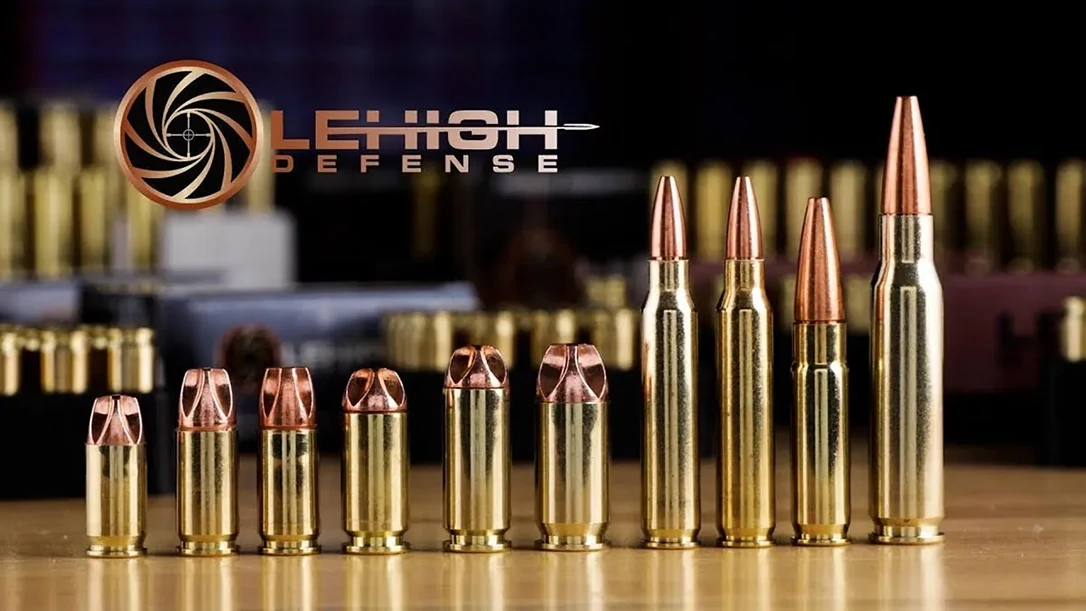
Instead of simply making another hollow point or another soft point, Lehigh Defense built its reputation by questioning nearly every assumption about terminal ballistics. The result? Some of the most recognizable solid copper and brass projectiles on the market today, many of which have become favorites among hunters, concealed carriers, reloaders and professional users alike.
And yes, they also happen to look like they came out of a CNC machine programmed by an engineer who drinks coffee by the gallon.
Built by Machinists, Not Marketing
Lehigh Defense’s roots stretch back more than two decades when the company focused on manufacturing precision Swiss CNC-machined Match Solid bullets for competitive shooters. Rather than copying existing designs, the company obsessed over consistency, precision and manufacturing tolerances. That mindset eventually evolved into something much larger.
Advertisement — Continue Reading Below
Instead of asking how to make another slightly better hollow point, Lehigh started asking bigger questions.
- Could a bullet transfer energy differently?
- Could it penetrate barriers more effectively?
- Could it expand reliably without lead?
- Could a subsonic projectile actually perform like a much faster bullet?
Those questions became patents…Lots of patents.
Today, Lehigh Defense has built an impressive intellectual property portfolio covering everything from Fluid Transfer Monolithic (FTM) technology to Controlled Fracturing, Maximum Expansion, Xtreme Defense, Xtreme Penetrator and numerous specialized projectile designs.
Advertisement — Continue Reading Below
Forget Hollow Points—Meet Fluid Transfer
Perhaps no Lehigh product has generated more conversation than the Xtreme Defense (XD) line. At first glance, it looks…wrong.
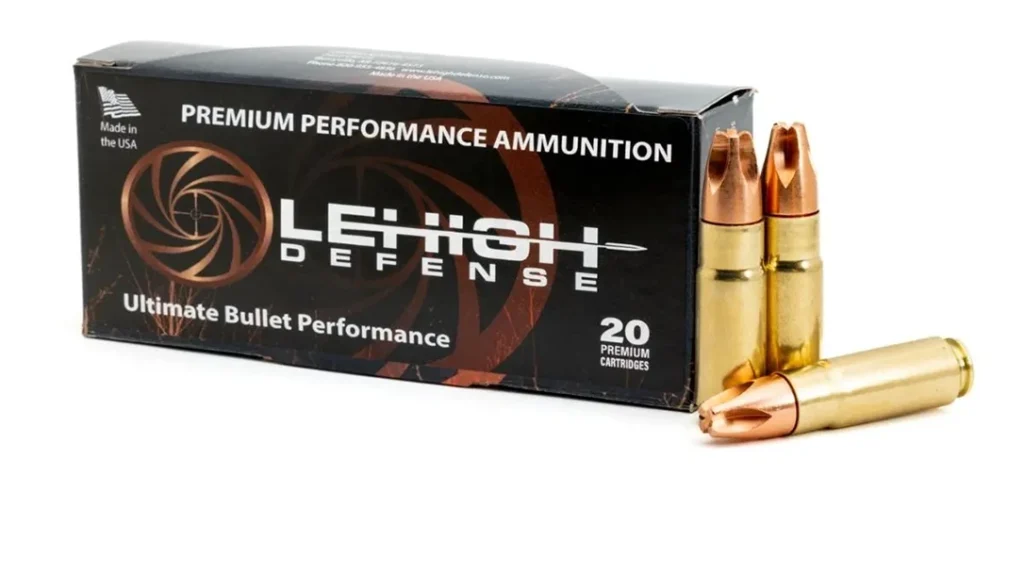
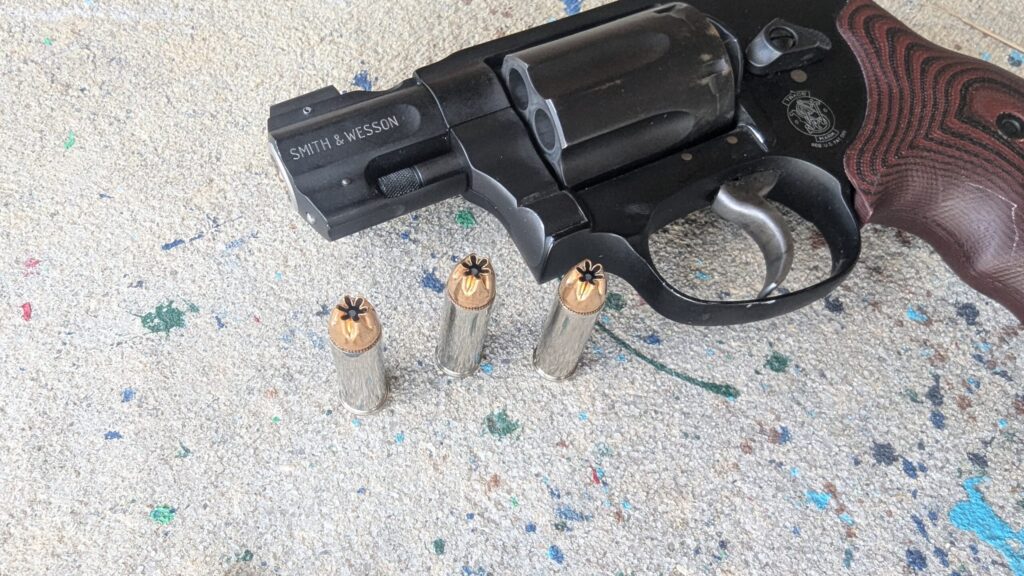
There’s no hollow cavity waiting to peel back into textbook expansion. Instead, the projectile features a deeply fluted nose with carefully engineered channels. That’s intentional.
Advertisement — Continue Reading Below
Rather than depending solely on expansion, the XD bullet uses what Lehigh calls Fluid Transfer Monolithic (FTM) technology. The flutes redirect tissue and fluid outward, creating large wound cavities while maintaining excellent penetration and consistent bullet shape. The design also minimizes concerns about clogged hollow points after passing through heavy clothing.
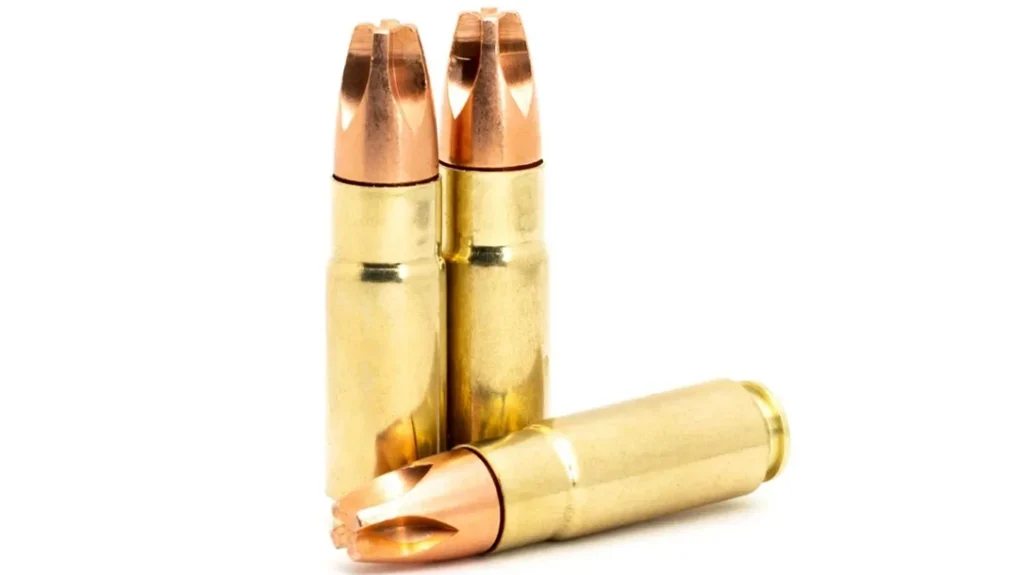
It’s one of those designs that initially makes people raise an eyebrow. Then they watch the ballistic gel. Then they usually stop raising that eyebrow.
Advertisement — Continue Reading Below
The Penetration Specialist
If the XD is the surgeon, the Xtreme Penetrator (XP) is the linebacker.
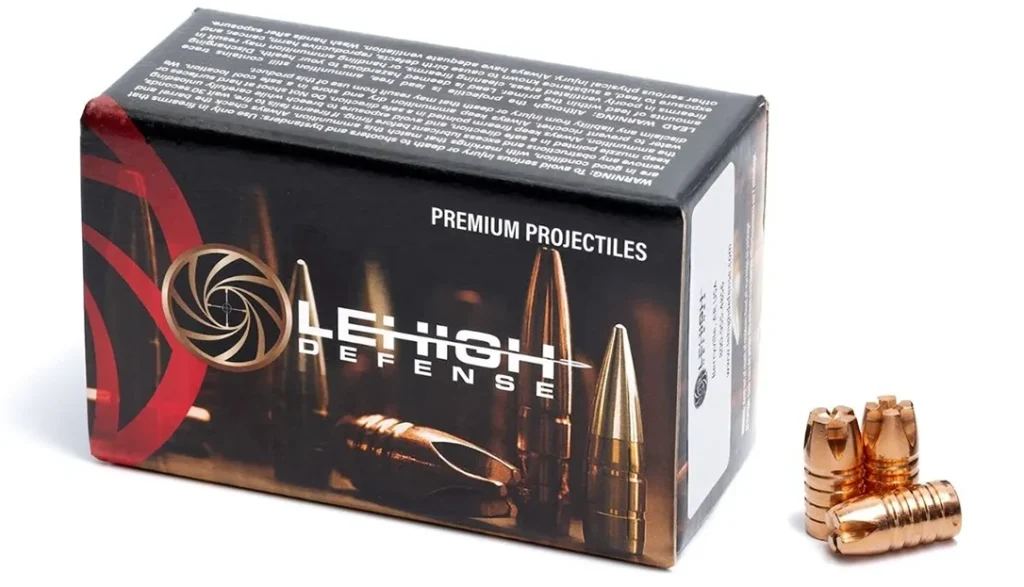
Designed as a solid copper projectile featuring a distinctive cross-shaped meplat, the XP is engineered for deep, straight-line penetration through challenging barriers while producing significant tissue disruption. Heavy clothing, auto glass and other intermediate barriers are exactly the types of problems this bullet was created to solve.
Advertisement — Continue Reading Below
Hunters, law enforcement professionals and defensive shooters have all found applications where predictable penetration matters every bit as much as expansion.
Controlled Chaos Isn’t Actually Chaos
Leave it to Lehigh Defense to give one of its most sophisticated bullets a name that sounds like your last family reunion.
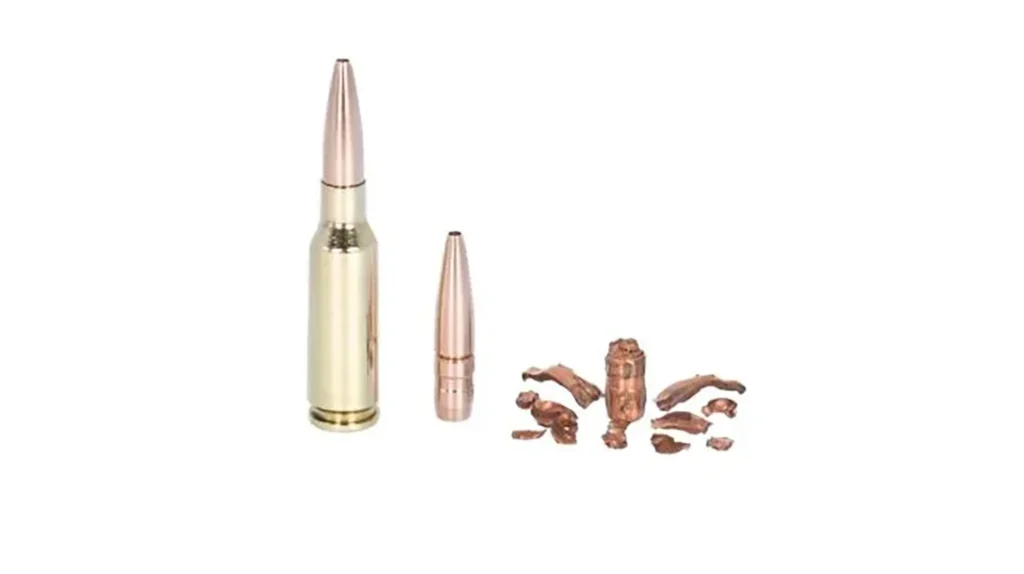
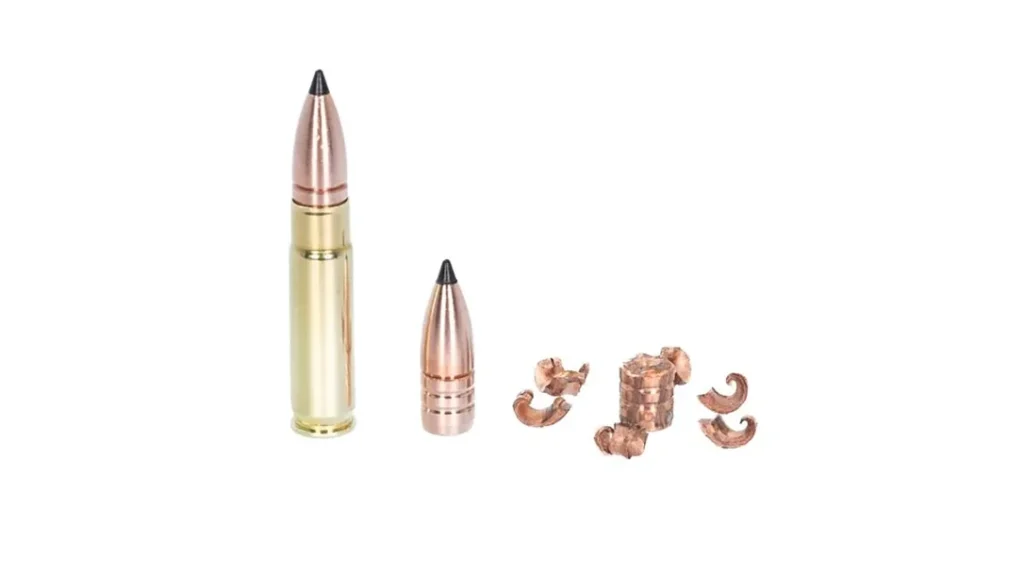
Controlled Chaos is one of the company’s most interesting rifle designs. Rather than mushrooming like a traditional expanding bullet, Controlled Chaos penetrates to a predetermined depth before the front portion fractures into multiple petals. Meanwhile, the solid rear shank continues driving forward to maintain deep penetration.
The idea is simple: maximize energy transfer while still ensuring the bullet reaches vital organs. Hunters chasing everything from whitetails to hogs have embraced the design, particularly those wanting lead-free projectiles without sacrificing terminal performance.
Lead-Free Before It Was Trendy
Long before lead-free hunting regulations became a hot topic in several states, Lehigh Defense had already committed itself to monolithic copper and brass projectiles.
That decision wasn’t driven solely by legislation.
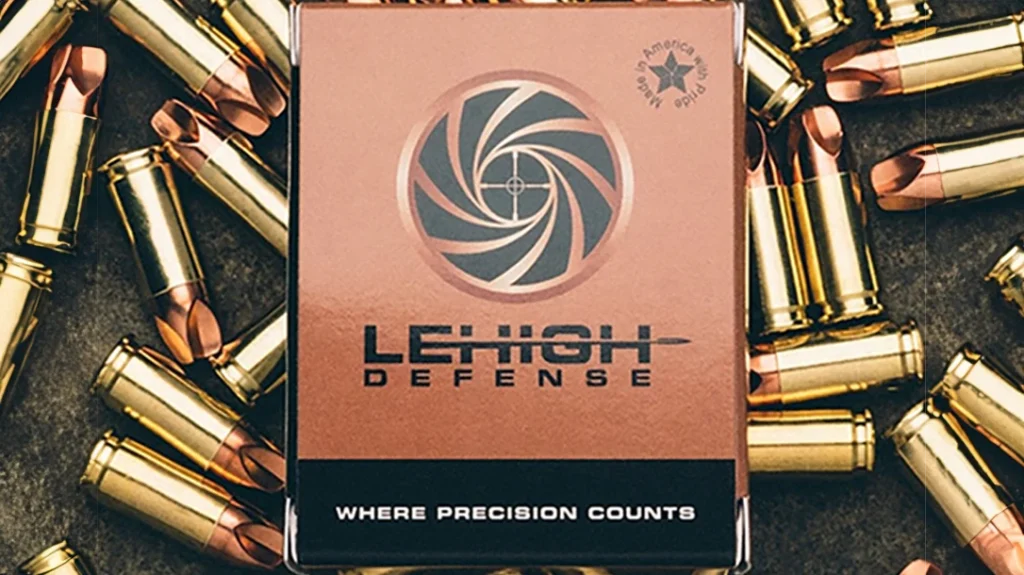
Solid copper bullets offer exceptional weight retention, remarkable consistency and eliminate concerns over lead fragmentation. Combined with modern CNC machining, every projectile leaves the machine looking nearly identical to the last one.
For precision shooters, that’s never a bad thing.
Wilson Combat Sees the Potential
In early 2022, Bill Wilson acquired Lehigh Defense, bringing the innovative bullet maker into the Wilson Combat family of companies. The acquisition paired Lehigh’s advanced projectile engineering with one of the firearms industry’s most respected names in manufacturing and quality control.
Since then, Lehigh has continued expanding manufacturing capabilities while remaining focused on its core mission of innovation. The company now operates from Clarksville, Texas, while maintaining manufacturing capabilities in Quakertown, Pennsylvania, producing bullets not only under its own brand but also for ammunition manufacturers and OEM partners throughout the industry.
Innovation Never Really Stops
Spend five minutes browsing Lehigh Defense’s patent list and one thing becomes obvious.
These folks don’t enjoy standing still.
From Match Solids to Maximum Expansion, Controlled Fracturing, Close Quarters projectiles and even specialized military applications, Lehigh has built an entire catalog around solving ballistic problems instead of simply following market trends.
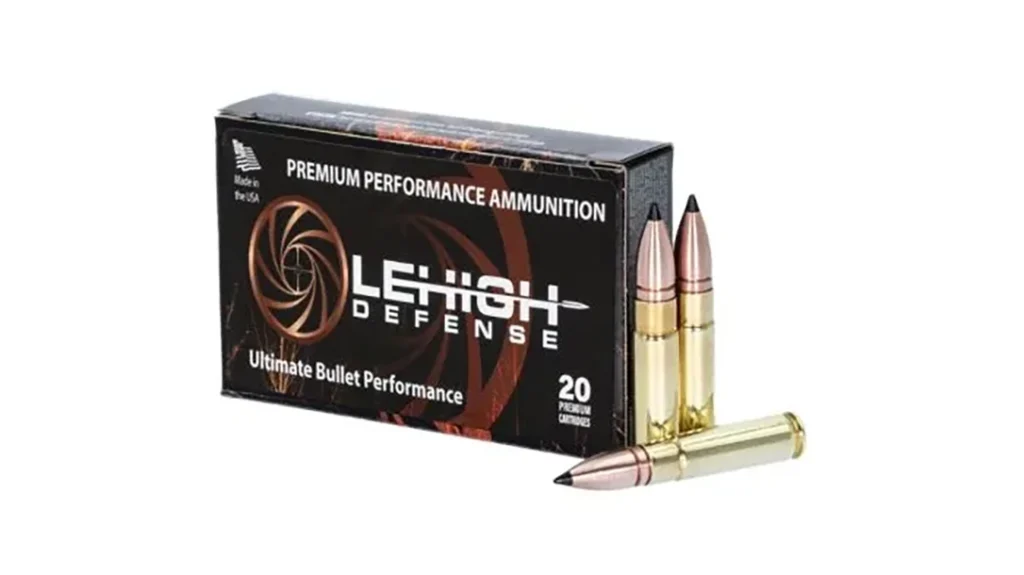
That’s probably why the company has developed such a loyal following among reloaders, hunters and defensive shooters. Whether you agree with every design philosophy or not, it’s difficult to argue that Lehigh isn’t pushing the conversation forward.
Final Shots
The firearms industry doesn’t lack companies making ammunition. It lacks companies willing to rethink ammunition. Lehigh Defense has spent more than 20 years doing exactly that.
Some of their bullets look unconventional. Some challenge traditional thinking. Some have sparked endless debates around range benches and internet forums.
But innovation usually starts with someone asking an uncomfortable question. For Lehigh Defense, that question has always been simple:
“What if bullets could do more?”
Judging by the company’s ever-growing list of patented designs, they’re still trying to answer it… and shooters are benefiting from the results.
WHY OUR ARTICLES/REVIEWS DO NOT HAVE AFFILIATE LINKS
Affiliate links create a financial incentive for writers to promote certain products, which can lead to biased recommendations. This blurs the line between genuine advice and marketing, reducing trust in the content.